

Does EUDR cover wooden tableware?
The EU deforestation regulation requires proof that products in scope were produced without causing deforestation. Wood and wood-derived products are in scope. What is required is not only the species: the country of harvest and the geolocation of the plot both appear in the due diligence statement.
What the statement asks for
- The scientific species name
- The country of harvest
- Geolocation of the harvest plot
- Traceability through the supply chain
- Risk assessment and mitigation steps
Why species alone is not enough
Species says what the material is; the regulation asks where it came from. The same species arrives from different countries and risk assessment varies by origin. 'Birch' therefore fills one field of the statement, not the statement.
The application dates have moved
Application has been postponed and revised more than once during the process. The date in force today, and the phasing by operator size, should be confirmed from a current source rather than from an earlier plan.
Who carries the obligation
It falls on the party placing the product on the EU market. An importer has to obtain the information from its supplier, and that supplier from its own. If the data was never captured at the top of the chain, it cannot be produced further down.
Where Susteez stands
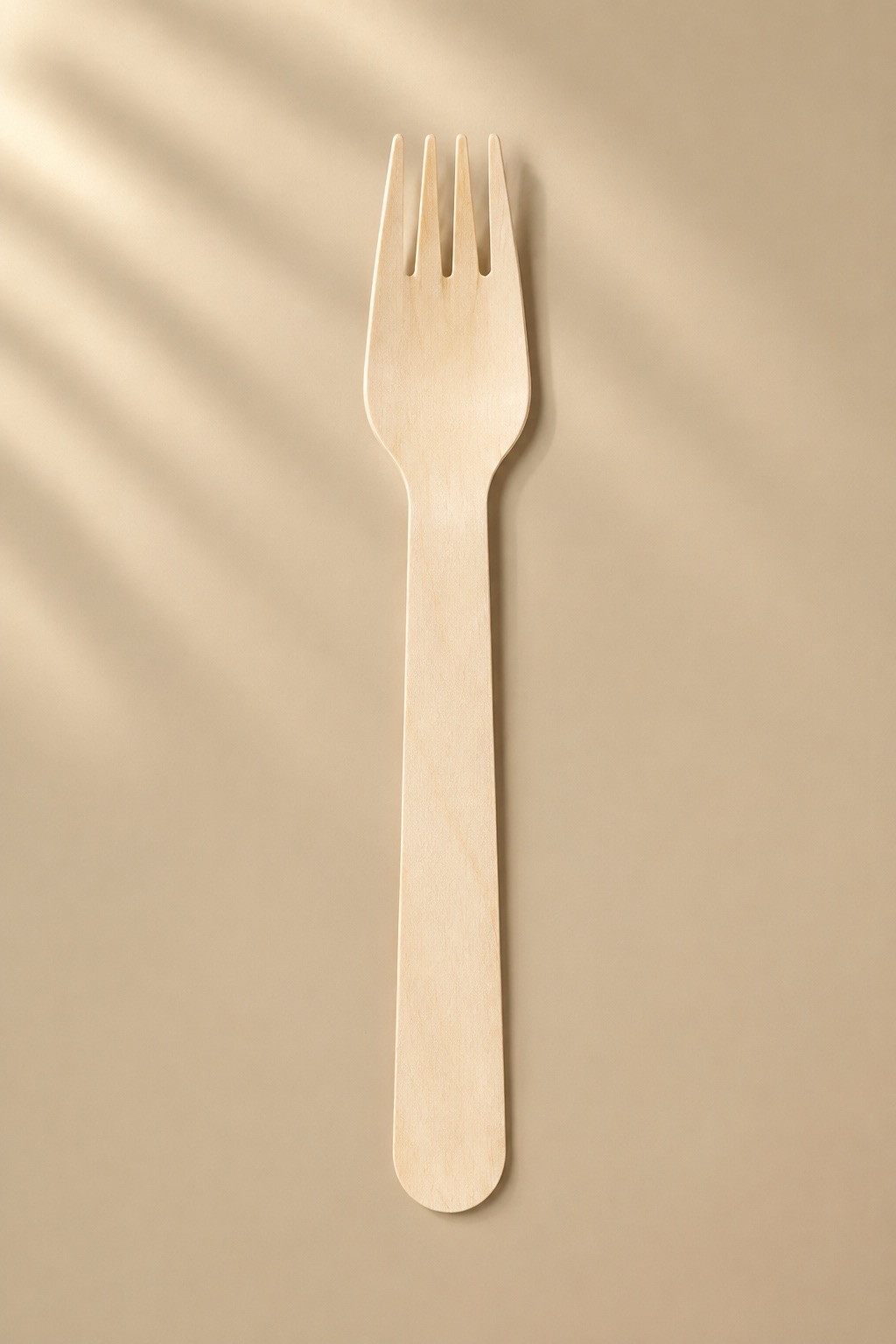
Species is recorded in the technical data and confirmed by the supplier: birch, Betula spp. Country of harvest is not yet held in writing and has been requested. The gap is stated rather than filled in — it is not information that can be written before a document supports it.
Frequently asked
- Is bamboo in scope?
- Bamboo is botanically a grass and the regulation's product list governs. Items near the boundary should be assessed against that list.
- Does FSC satisfy EUDR?
- No. FSC is strong supporting evidence for risk assessment, but the geolocation data and the statement itself are still required.
Last updated: 2026-09-13