
Five production lines in İstanbul, over 23 million units a month
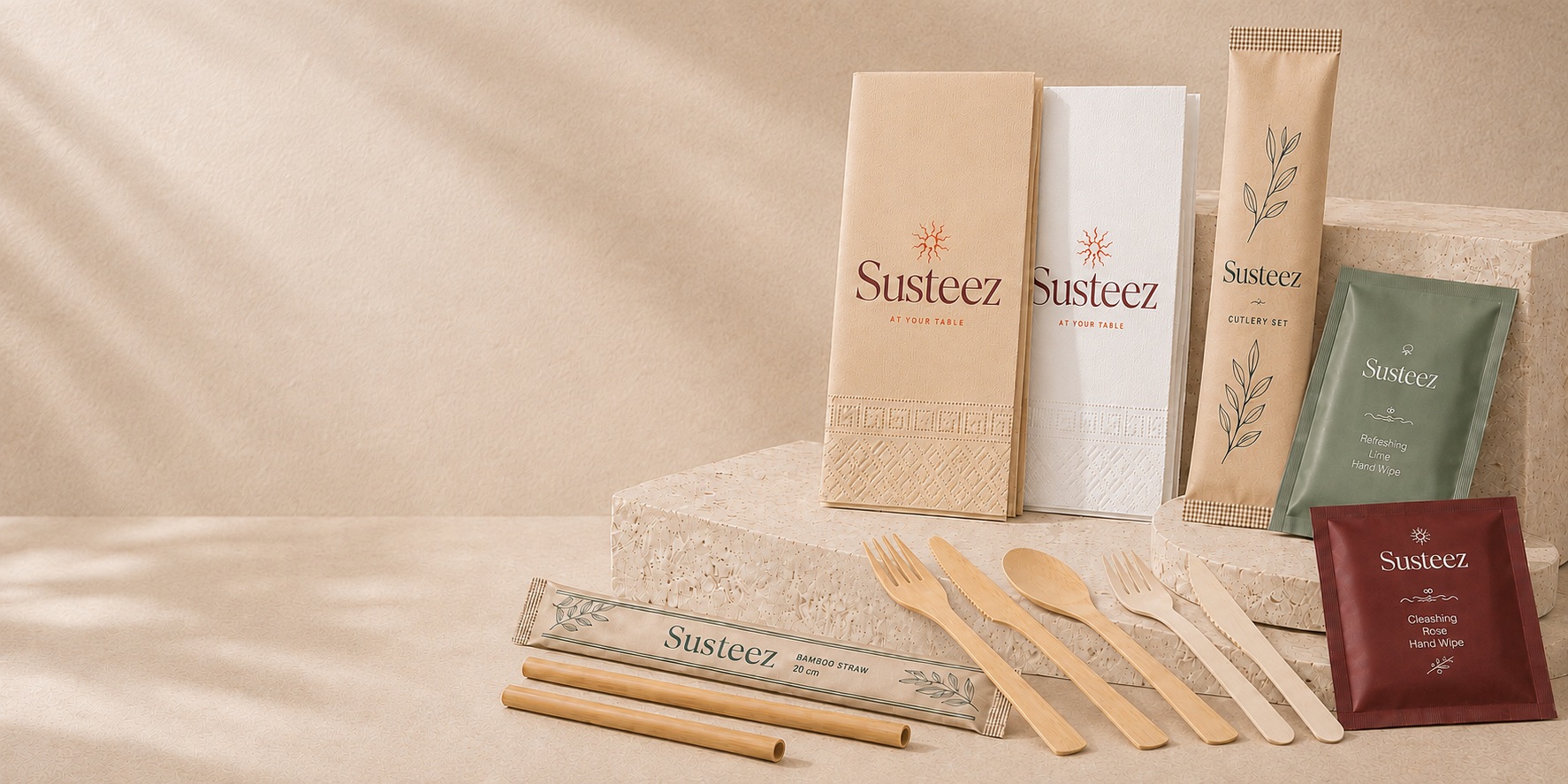
We have been making single-use eco-friendly products for eleven years. We print directly onto the handle of a fork, the bowl of a spoon, the bamboo straw itself. Wet wipes are produced and filled on our own line, straws are wrapped here, and kits are assembled here. What each line does is set out below.
Monthly capacity
| Wet wipes | 10,000,000+ units / month | Our own production and filling line |
|---|---|---|
| Printed napkins | 6,000,000 units / month | Pad and UV printing |
| Bamboo straws | 5,000,000 units / month | Branded and individually wrapped |
| Kit assembly | 2,000,000+ kits / month | One automated line, one manual |
Production lines
Wet wipe line
Wipes are produced and filled on our own line; lotion, size, gsm and fragrance are set per order. Alcohol-based and alcohol-free fragrances are made as separate products — the alcohol-free formulation is what Gulf buyers need when a halal review is part of the listing decision. Capacity is over ten million units a month.
Pad printing — three machines
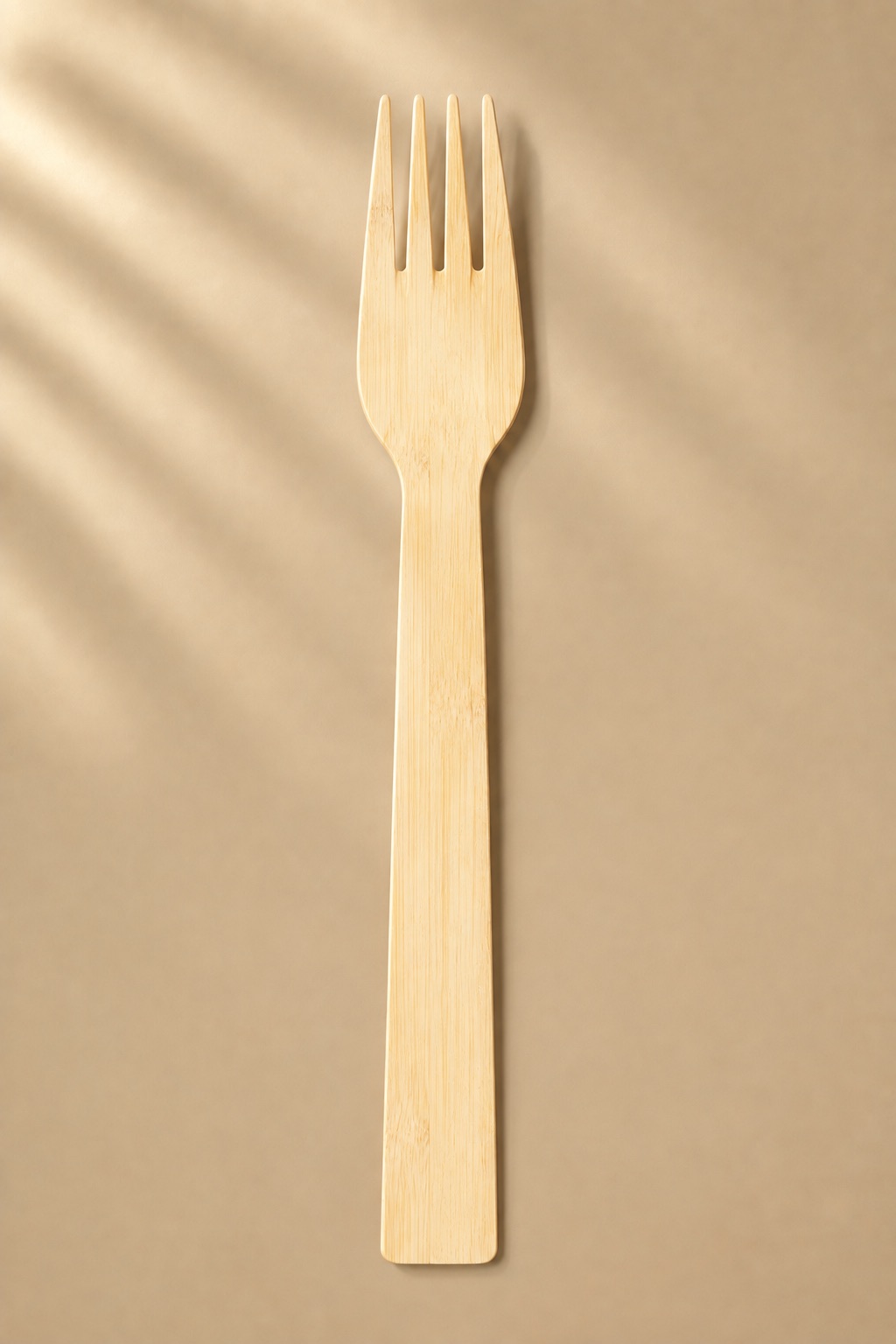
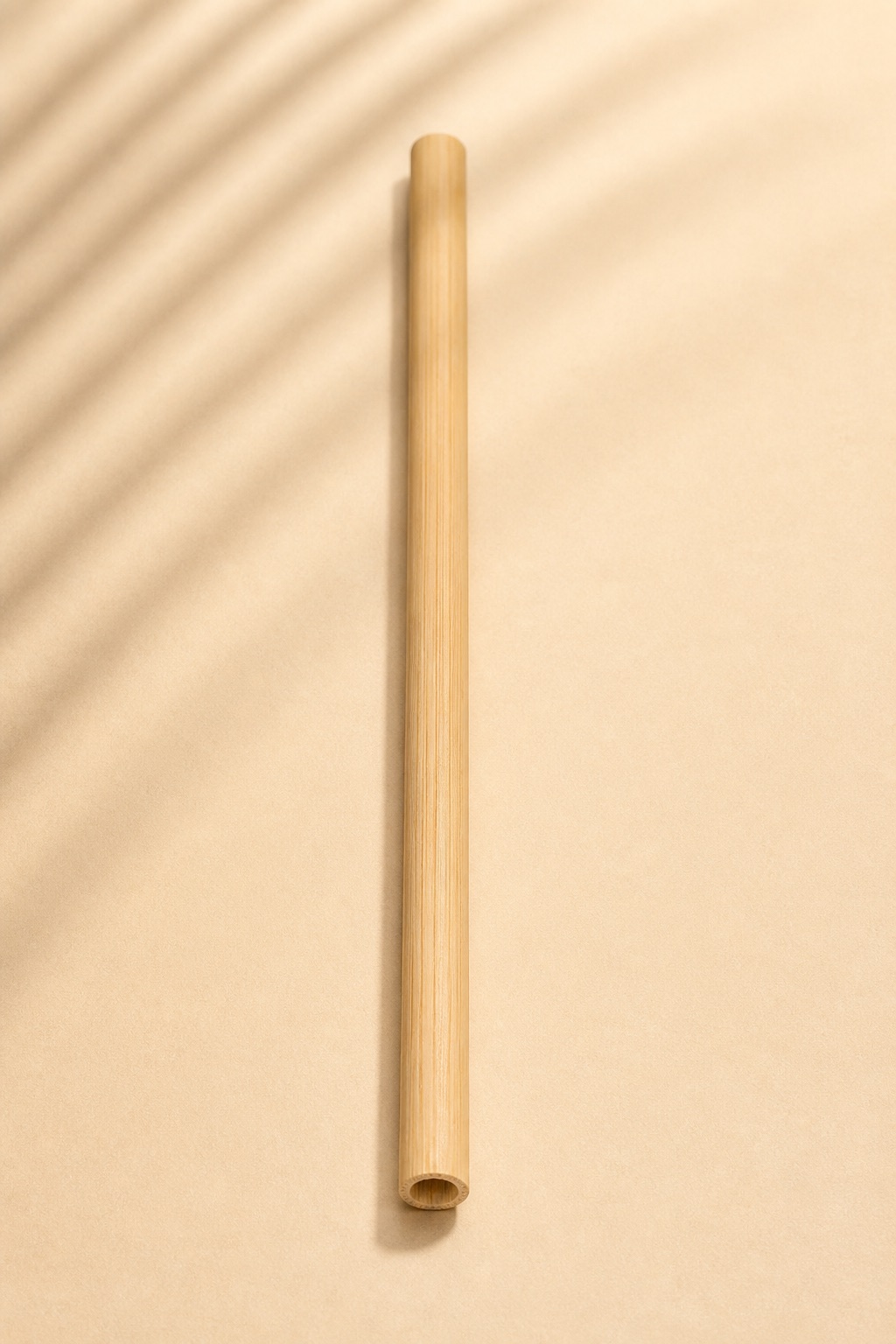
This is what prints onto the body of the product itself. Pad printing is one of the few methods that will print on curved, irregular and porous surfaces: the handle of a fork, the bowl of a spoon, the bamboo straw itself. We run three machines. Printing the body needs no plate, which is why a branded product can be economical even in a small run — methods that print on flat surfaces simply do not work on these products.
UV printing
The lead time is ours to keep: a delay never depends on another company's schedule. It also means proofs and colour corrections can be done the same day. Where a Pantone reference is given the colour is matched exactly; where it is not, we print the closest match to the file supplied.
Straw wrapping
Individual hygienic wrapping and the print on the wrapper are our own work. Capacity is five million a month. Unwrapped straws ship from stock; wrapped straws go through the line, and the quoted lead time reflects that.
Kit assembly
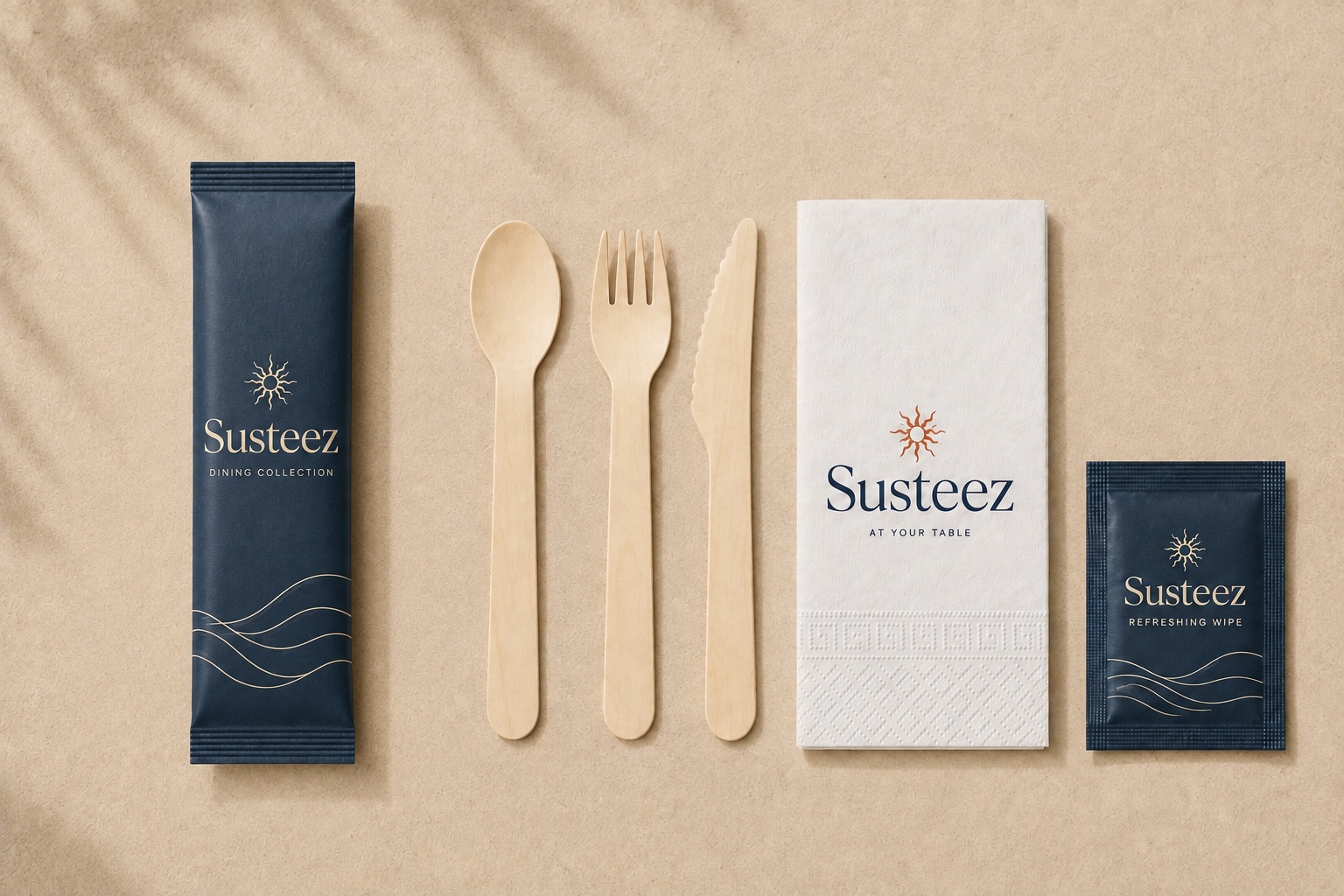
Two lines, one automated and one manual. The automated line handles volume; the manual line handles non-standard contents, because a kit can combine cutlery, napkin, wet wipe, toothpick and condiment sachets in configurations the automated line cannot take. Capacity is over two million kits a month.
Certification
FSC (responsible forestry), BRCGS (safety of food-contact packaging materials), food-contact testing to German LFGB and European norms, a PPWR conformity assessment, BSCI social compliance auditing and ISO 9001 quality management. Certificate numbers and copies are added to your order file on request — in corporate and public procurement that file is usually asked for before the price is. Asking a supplier for the certificate rather than the adjective is the right instinct; we expect the same of ourselves.
World Cup — 55 restaurants in Qatar
Aura Group, one of Qatar's largest hospitality groups, came to us for the 2022 World Cup period. The eco-friendly single-use kits for all 55 of its restaurants — close to 800,000 kits — were produced here and shipped at container scale. The hard part was not volume: not one of the 55 restaurants shared a design, each was printed in its own branding, and the tournament date was not going to move. This order came to us inbound — at the time we did not even have a page aimed at buyers outside Türkiye.
How the job was planned, in detail →The figures above are monthly production capacity, not a committed lead time. The lead time on any order depends on how full the line is, the number of print colours and whether a plate already exists; the times shown on product pages are real times under normal conditions.