


Food-contact compliance: 1935/2004 and LFGB
Regulation (EC) 1935/2004 is the European framework for food-contact materials: a material must not transfer harmful substances to food, nor change its composition or taste. LFGB is Germany's national food law, and in practice it is the document most often requested by name in export trade.
Two names, two layers
The document is a declaration, not a certificate
What is required for a food-contact material is a Declaration of Compliance issued by the manufacturer. It states which material may contact which food type, at what temperature and for how long. Test reports support the declaration rather than replace it.
Every component is assessed separately
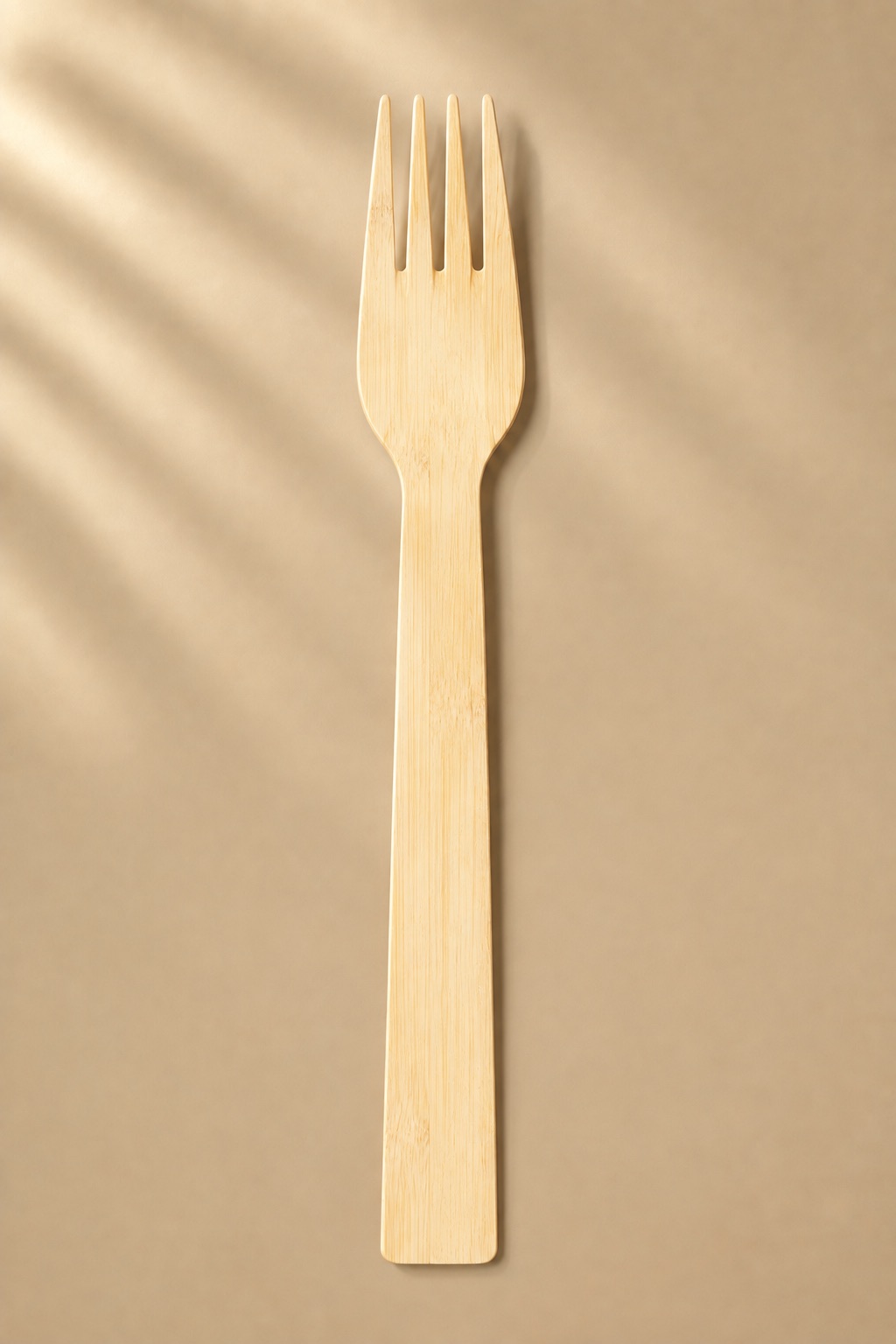
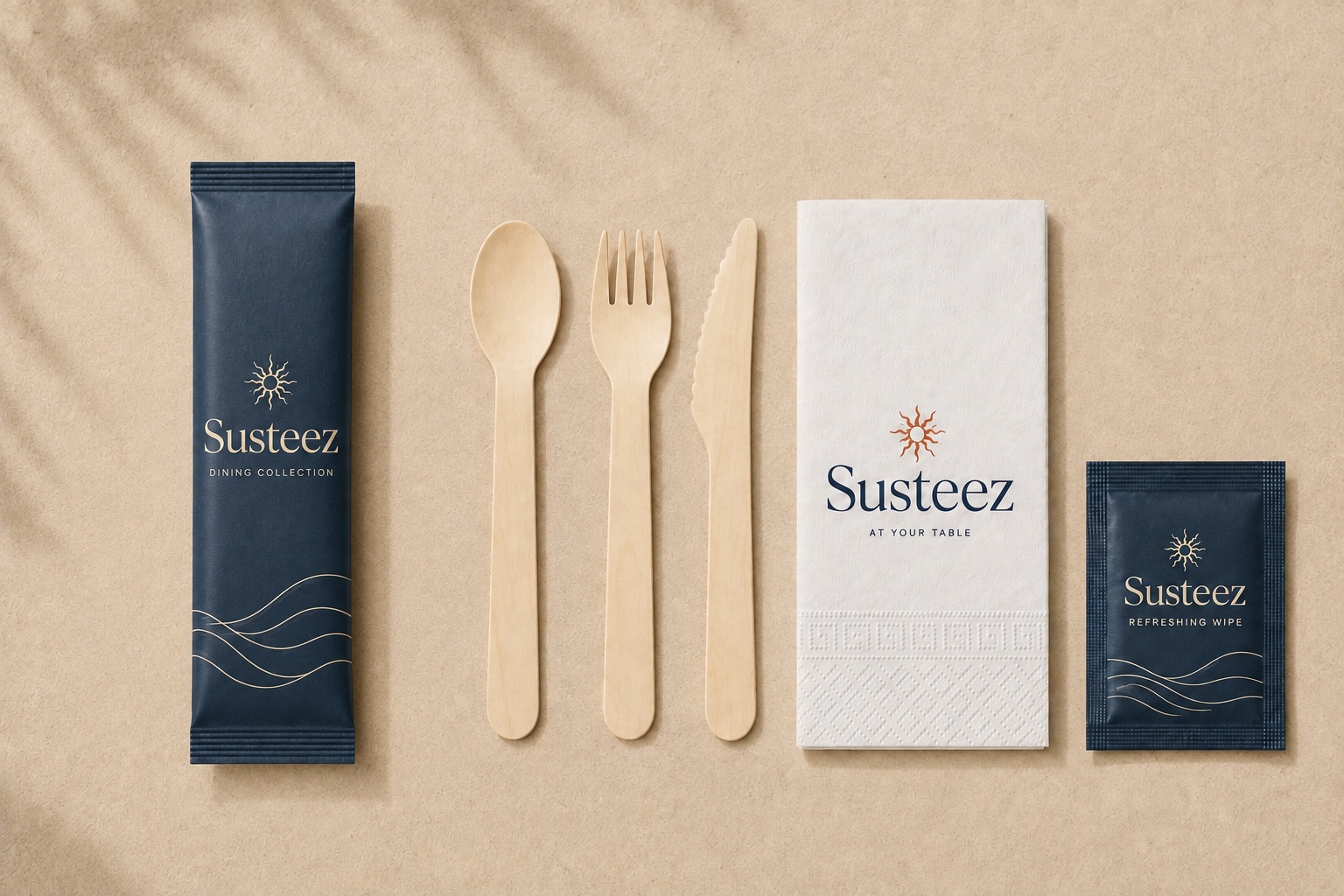
A fork is not only wood: ink, varnish and any sleeve are part of the food-contact chain too. Compliance has to be shown component by component; one sentence does not cover a whole product.
Good manufacturing practice is part of it
The framework does not treat a safe material as sufficient on its own — production must also follow good manufacturing practice. This is why procurement files ask for process documentation alongside product declarations.
Where Susteez stands
Food-contact documentation is included in the order file, and LFGB is held. If a buyer needs a reference to a specific national regime, saying so at the outset matters, because the name of the required document changes by market.
Frequently asked
- Is an FDA statement valid in the EU?
- No. The US and EU are separate regimes and compliance with one does not substitute for the other. A supplier selling into both needs both.
- Do napkins fall within scope?
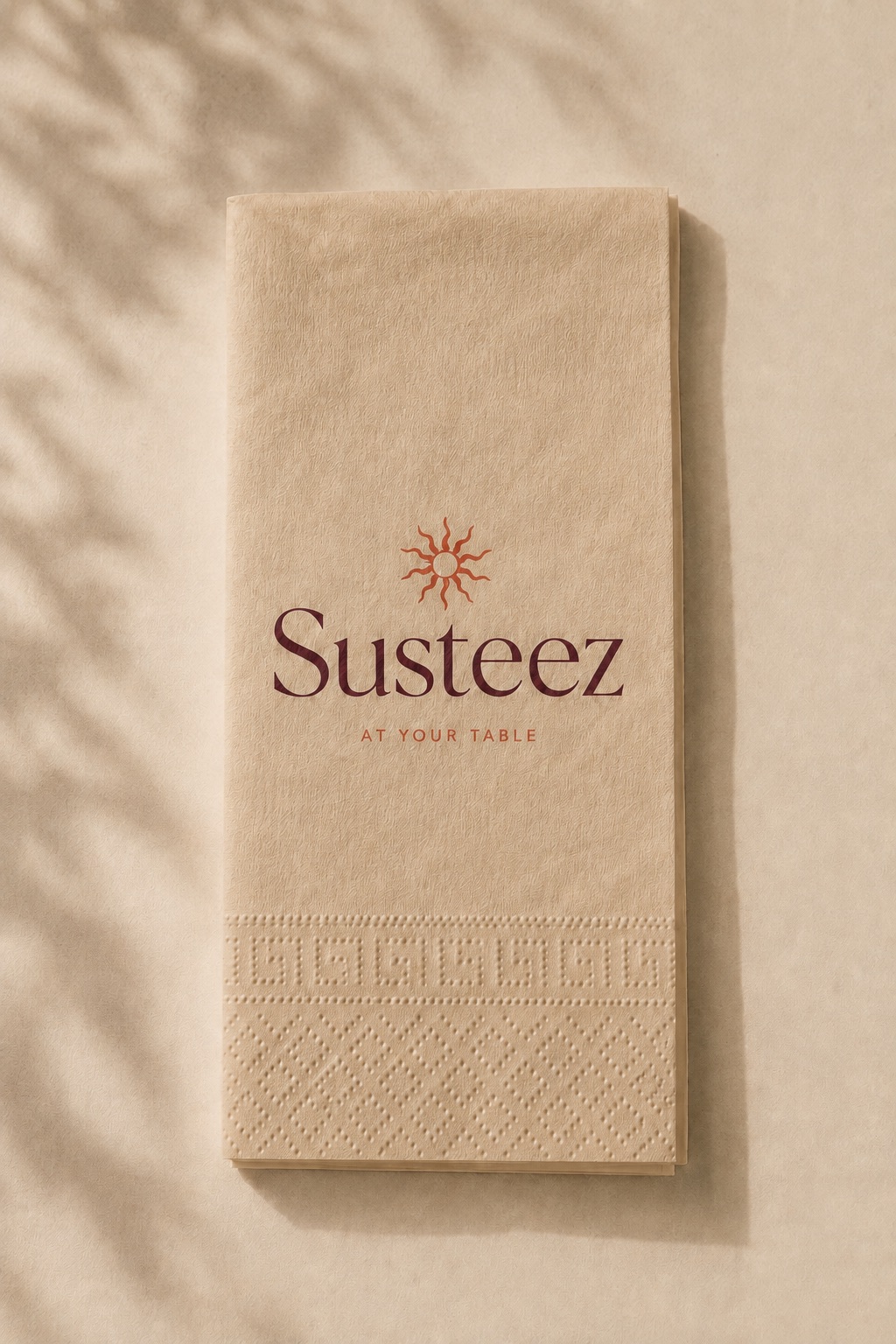
- Any material expected to touch food is in scope. If the napkin contacts food, a declaration is required.
Last updated: 2026-09-13