



Inks and varnishes on a food-contact surface
On products that touch food or the mouth, print ink and varnish are regulated as closely as the substrate. Water-based inks are preferred because solvent release is low. Varnish protects the surface and sets its finish, and its food-contact suitability has to be declared separately.
Ink types
What varnish does
Varnish is the protective layer drawn over the print. It resists rubbing, improves colour durability and determines whether the surface reads matt or gloss. It looks like an aesthetic choice, and for food-contact compliance it matters as much as the ink.
Matt against gloss
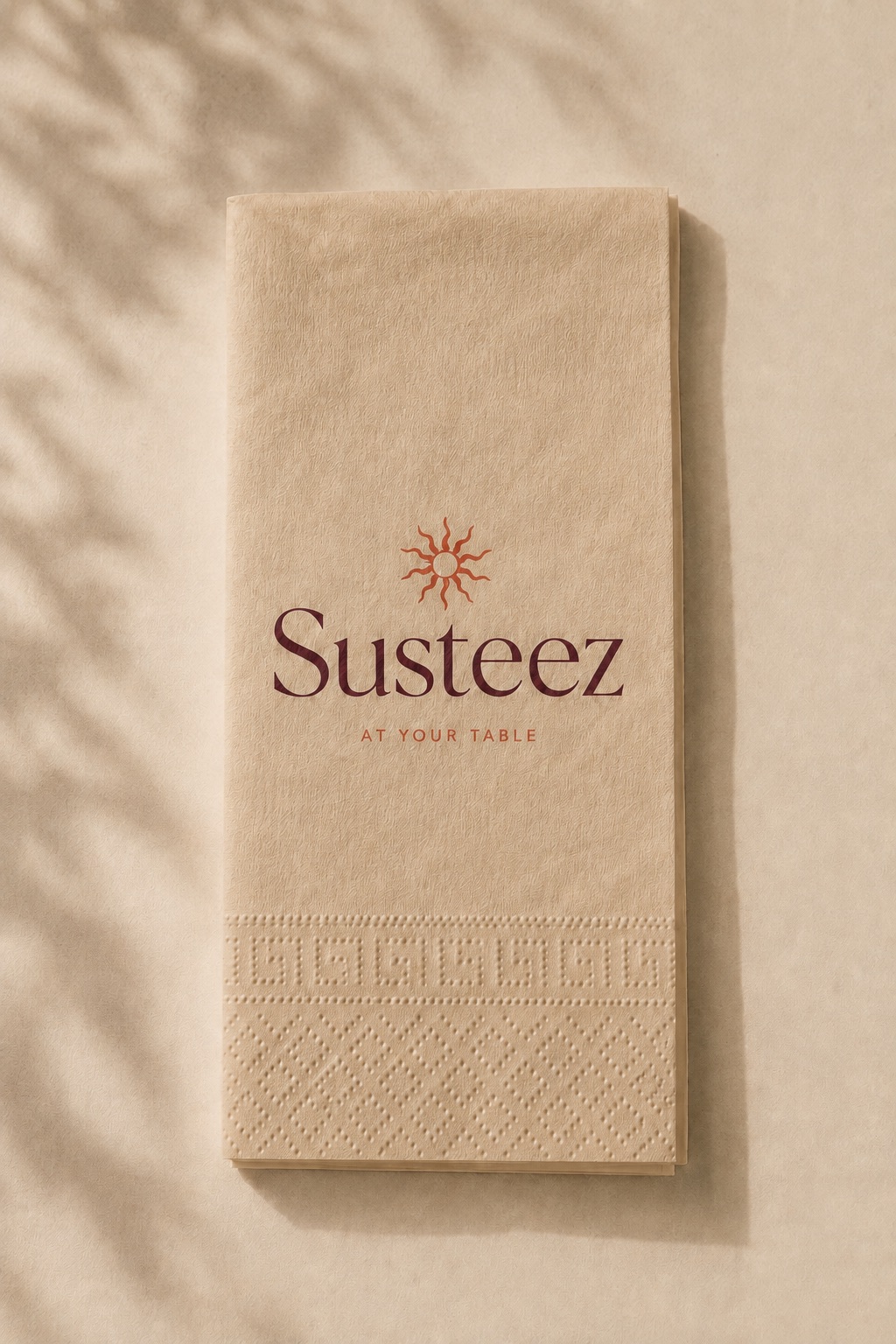
Gloss varnish makes colour look more saturated and photographs vividly. Matt scatters light and reads calmer and more expensive. On kraft stock matt is often chosen because it leaves the natural surface undisturbed.
The link to compostability
Ink and varnish are part of the product's composition and are assessed together with it in compostability testing. Heavy metal and fluorine limits apply to these layers too, and a poorly chosen varnish can invalidate a compostability claim.
What to ask for
A separate declaration of compliance for ink and for varnish. 'Our product is food-contact safe' is not sufficient on its own; which ink is compliant under which conditions should be stated in writing.
Frequently asked
- Can the mouth-contact area be printed?
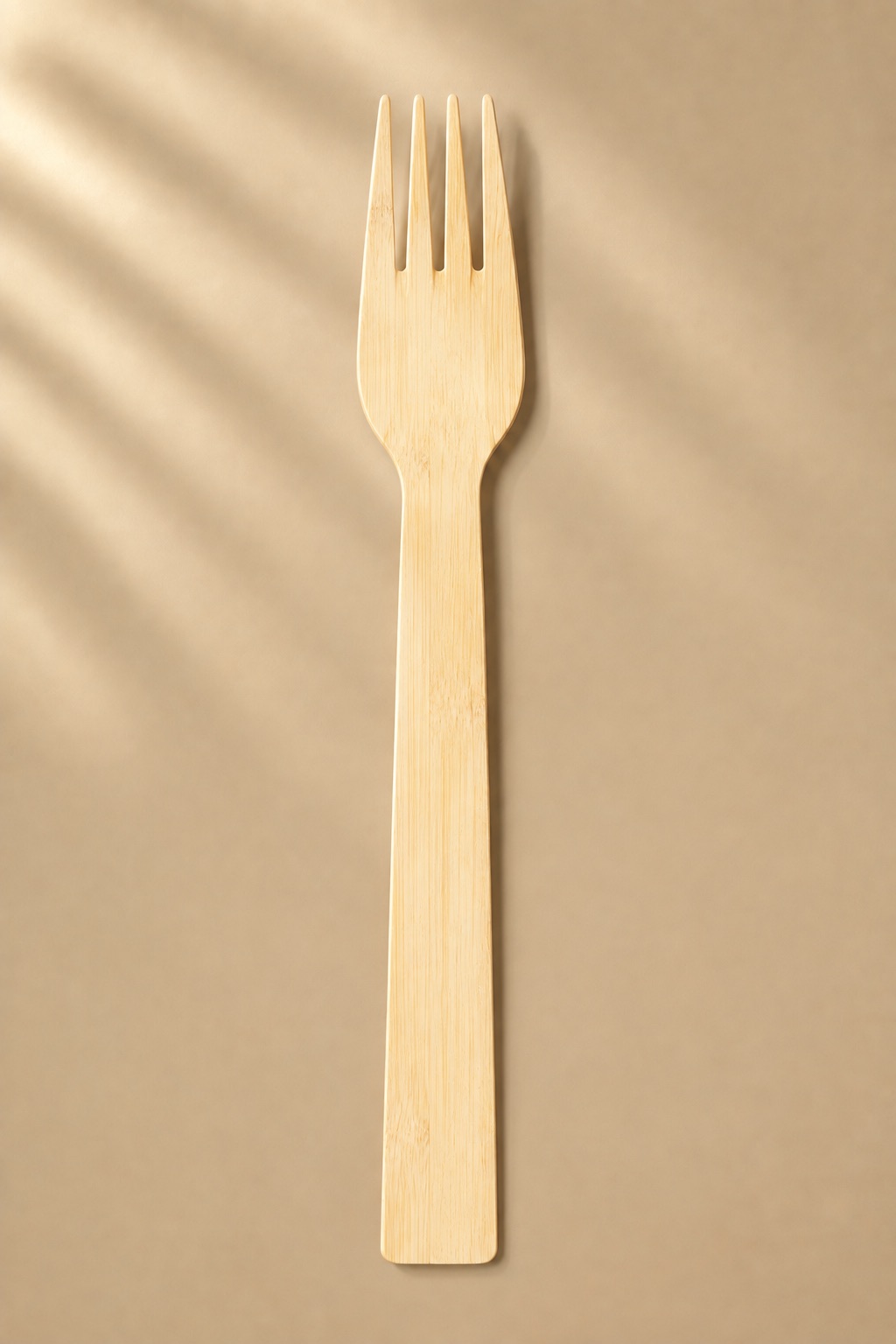
- It can with compliant ink, but most production places the print window away from that area. It is one reason the handle carries the logo.
- Does matt varnish dull the print?
- It lowers saturation somewhat. The difference is slight in dark colours and noticeable in light, vivid ones.
Last updated: 2026-09-13