
Italy: why MACSI has been postponed eight times
Italy legislated a plastic tax, MACSI, at 0.45 euro per kilogram — the same rate as Spain's IEPNR. Unlike Spain's, it has never been collected: entry into force has been deferred eight times, and the 2026 budget law moved it to 1 January 2027. Spain's tax is paid today; Italy's is not.
Two taxes, same rate, different reality
Why the deferrals keep happening
The tax has faced sustained objection from industry on cost and competitiveness grounds, and each budget cycle has moved the date rather than settling the question. The pattern has repeated often enough that the next date should be treated as provisional rather than certain.
What a buyer should do with that
Plan for it without pricing it in today. A supply arrangement that runs past the current date should say which party bears the tax if it does take effect, because retrofitting that conversation after the fact is where disputes start.
CONAI is the obligation that is real now
While MACSI waits, the packaging environmental contribution through CONAI applies today. The party importing packaged goods into Italy is treated as the producer and declares it. That is a present duty, not a future one.
Where wood and paper sit
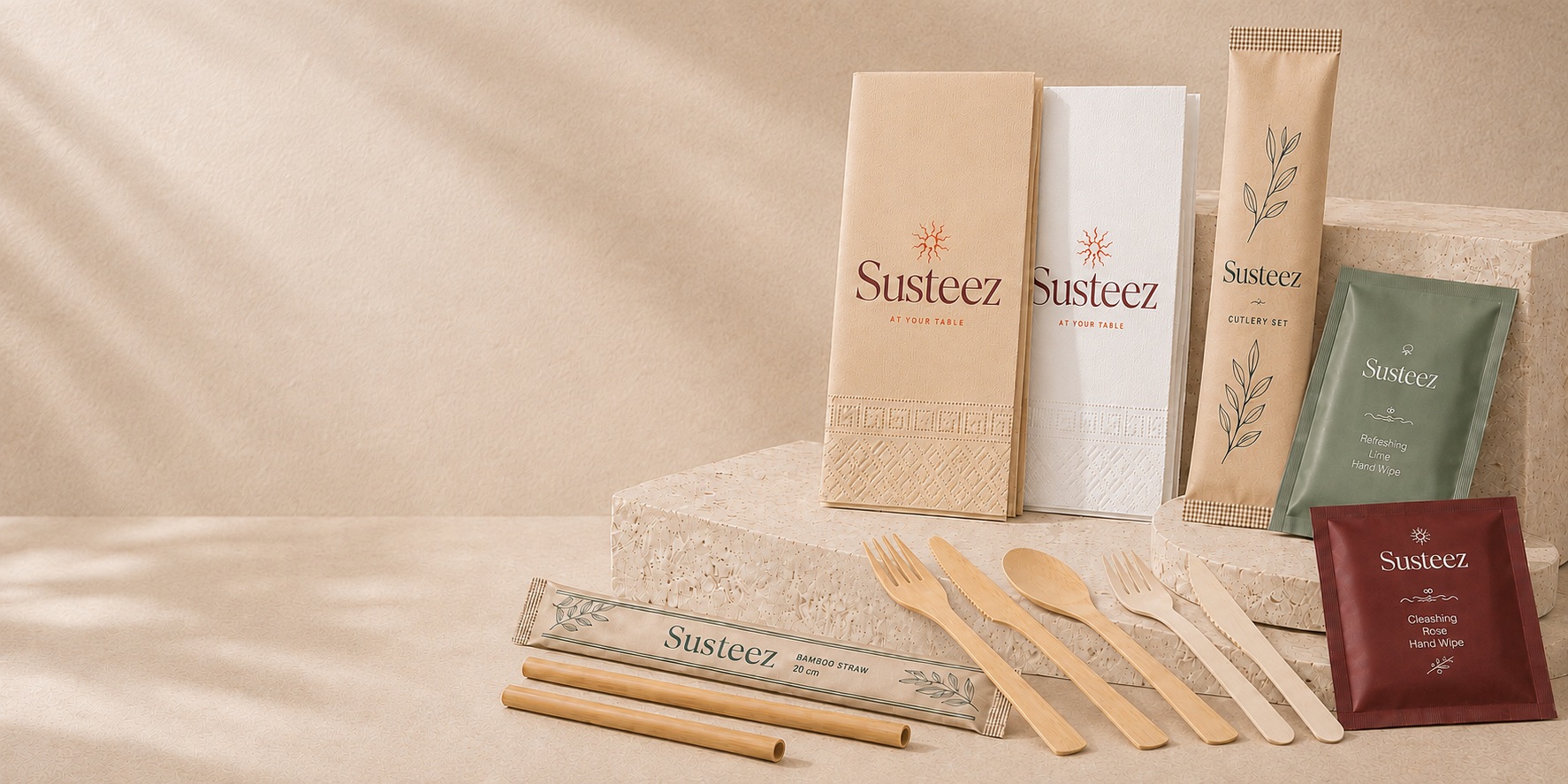
The tax base is plastic content. Untreated wood, bamboo and uncoated paper carry none. Whether or not the date moves again, a range built on these materials is outside the base.
Frequently asked
- Should a 2026 contract mention MACSI?
- If it runs into 2027, yes. Naming which party absorbs the tax if it commences avoids a renegotiation later.
- Is CONAI the same as the plastic tax?
- No. CONAI is the packaging environmental contribution and is being collected now; MACSI is a separate, deferred tax.
Last updated: 2026-09-13