The Netherlands: meerprijs, and what changes on 1 January 2027
The Netherlands went further than the EU minimum in two steps that hit hospitality directly. Since 1 July 2023 a separate surcharge, meerprijs, has applied to plastic-containing disposables in takeaway. Since 1 January 2024 plastic cups and containers have been banned for on-site consumption. The surcharge obligation ends on 1 January 2027.
Three dates that matter
What meerprijs actually is
It is not a tax collected by the state. The venue must charge the guest a visible, separate amount for a plastic-containing disposable, and the amount stays with the venue. The purpose is behavioural: to make the disposable a visible choice rather than an invisible default.
The in-venue ban is the stricter half
For consumption on the premises, plastic cups and food containers are not permitted at all — no surcharge makes them acceptable. Reusable service, or disposables that contain no plastic, are the two routes available.
What counts as plastic-containing
A paper cup with a plastic laminate counts. This is what catches operators out: a product that looks like paper can fall inside the rule because of a thin inner coating. Uncoated paper, wood and bamboo do not.
Packaging registration runs separately
Packaging registration in the Netherlands goes through Verpact, and for single-use plastic packaging there is no 50,000 kg threshold — the obligation applies regardless of volume. This is a separate duty from meerprijs and is often overlooked.
Frequently asked
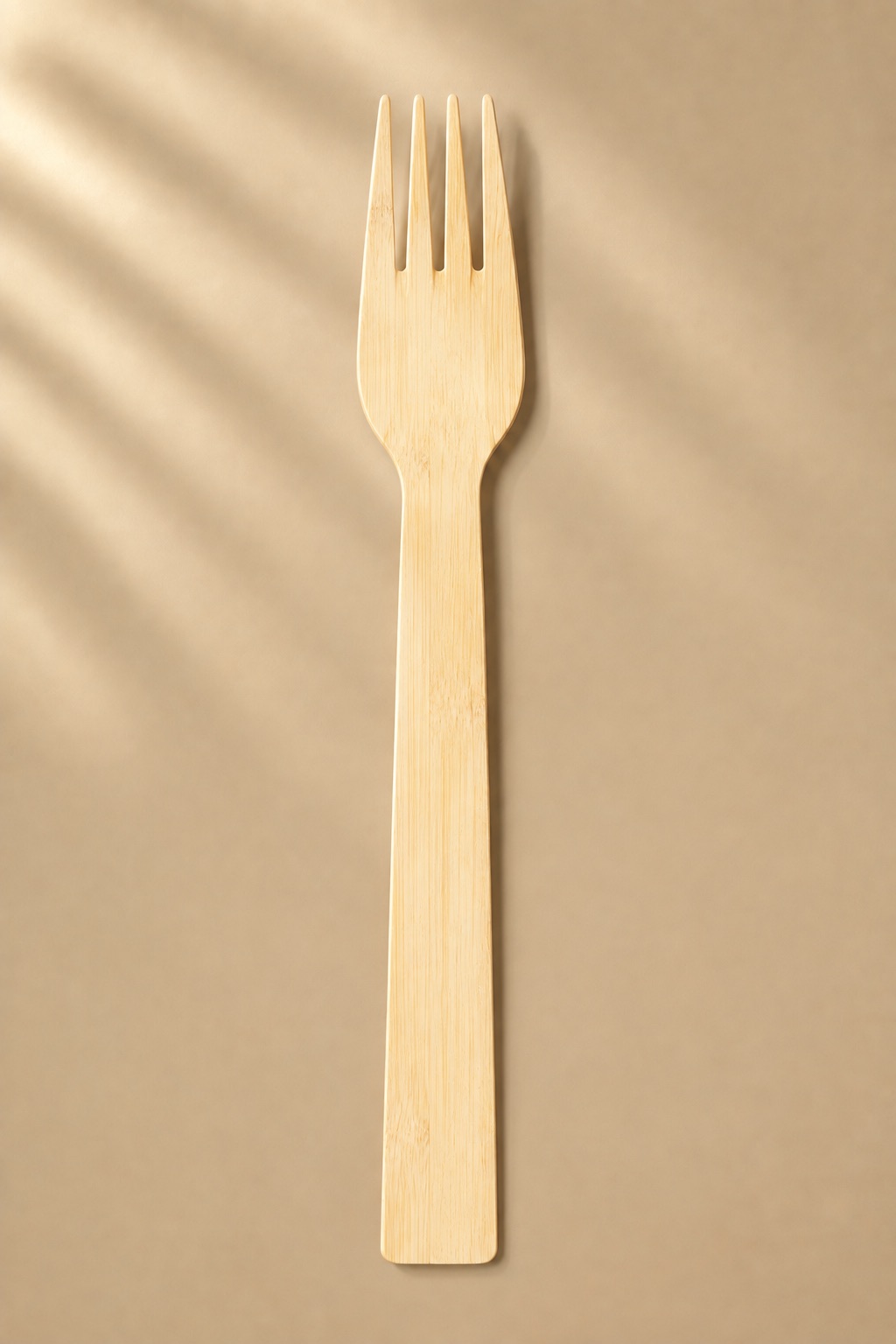
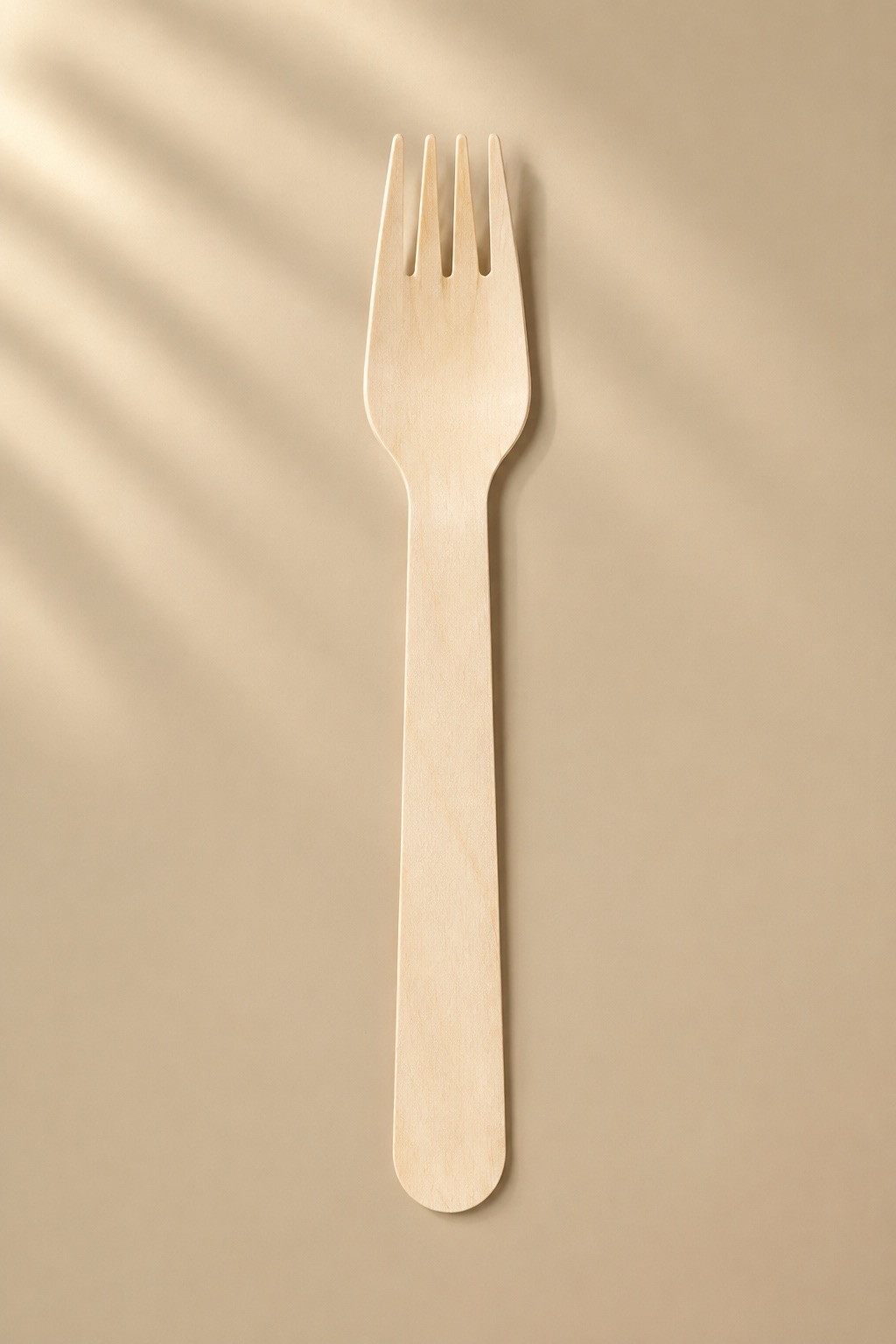
- Does the surcharge apply to wooden cutlery?
- No. The rule targets disposables containing plastic; untreated wood and bamboo are outside it.
- Does the 2027 change remove the in-venue ban?
- No. What ends is the surcharge obligation. The ban on plastic cups and containers for on-site consumption is a separate rule.
Last updated: 2026-09-13