

OK compost HOME versus INDUSTRIAL
INDUSTRIAL certifies that a product breaks down in a commercial composting facility running at around 58 °C. HOME certifies breakdown in a garden heap at 20-30 °C, over a longer period, and is considerably harder to achieve. Where no industrial facility exists locally, HOME is the certificate that means something in practice.
The two conditions
Why HOME is harder
Microbial activity slows sharply at lower temperatures, and many materials that break down industrially simply do not break down in a garden heap. PLA is the best known example: it needs sustained heat that a home pile never reaches.
The question buyers should actually ask
Not 'is it compostable' but 'what happens to it in our waste stream'. If the municipality collects organics separately and operates a facility, INDUSTRIAL is enough. If it does not, the product goes into general waste and the certificate changes nothing on the ground.
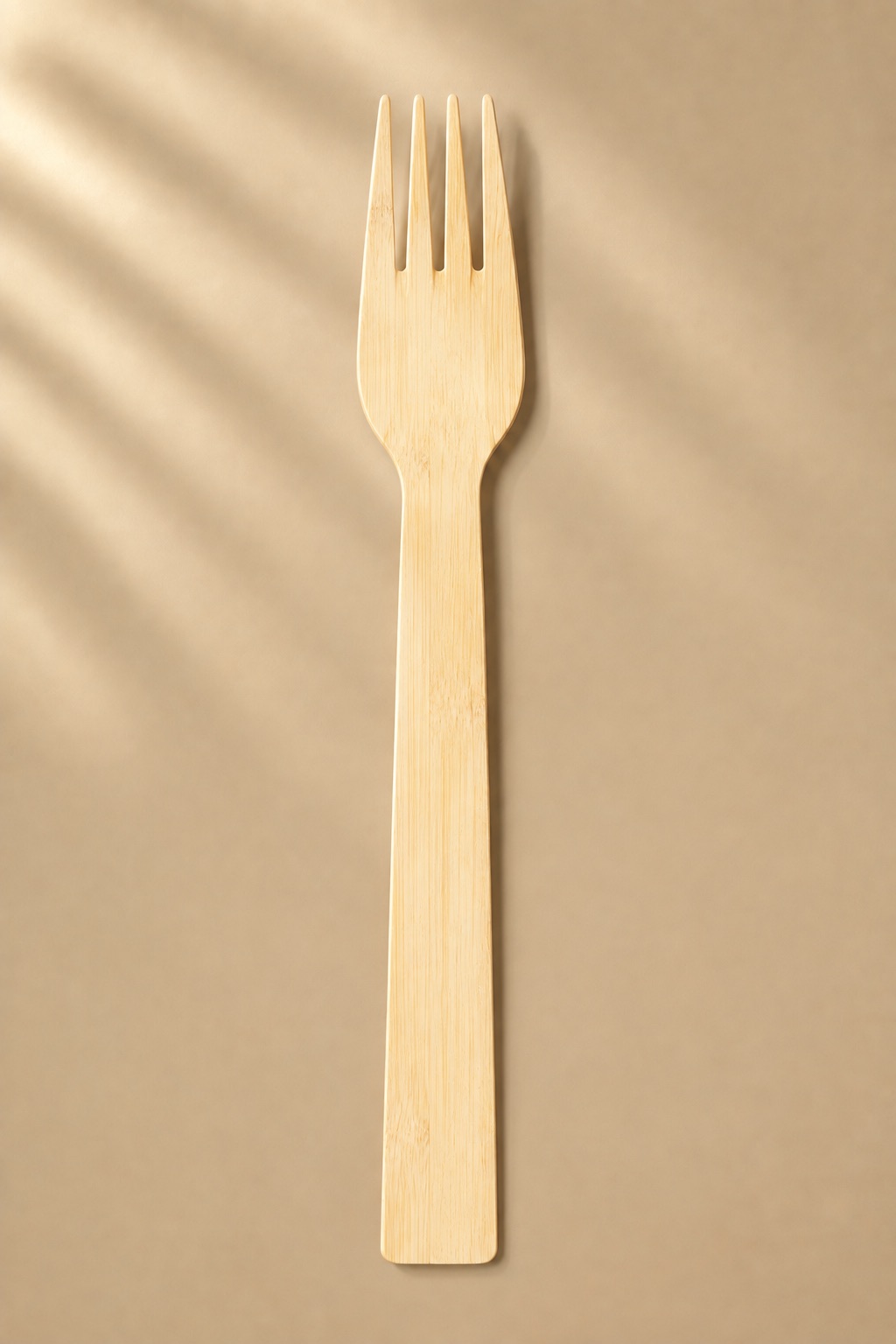
Untreated wood and bamboo
Products with no coating break down in a home heap without carrying a certificate at all; the need for certification generally arises with coatings, laminations or plastic components.
Frequently asked
- Are TUV Austria and DIN CERTCO the same thing?
- Both are certification bodies. The OK compost mark belongs to TUV Austria, the DIN-Geprüft mark to DIN CERTCO. Both rest on EN 13432.
- How do I verify a certificate number?
- Both bodies publish searchable online registers. Checking the number against the register is a standard step in supplier due diligence.
Last updated: 2026-09-13