
Spain: IEPNR, and why it measures kilos
Spain's distinguishing rule is fiscal rather than punitive. Under Ley 7/2022 the IEPNR charges 0.45 euro per kilogram of non-recycled plastic in non-reusable packaging. Because it is levied on weight of virgin plastic, the exemption has to be documented, and the accepted route is certification under UNE-EN 15343.
What the tax measures
Not the number of items, not their value, but the kilograms of non-recycled plastic contained in non-reusable packaging. Recycled content reduces the base, which is why the recycled proportion has to be evidenced rather than asserted.
How exemption is documented
Recycled content is demonstrated through certification under UNE-EN 15343. A supplier statement without that backing does not reduce the tax base, and the liability stays with the party that placed the packaging on the Spanish market.
The packaging register and SCRAP
Separately from the tax, producers must enrol in the Registro de Productores and join a collective scheme, a SCRAP, under Real Decreto 1055/2022. For the hospitality supply chain the deadline for that step fell on 30 June 2024.
What this means for wood and paper
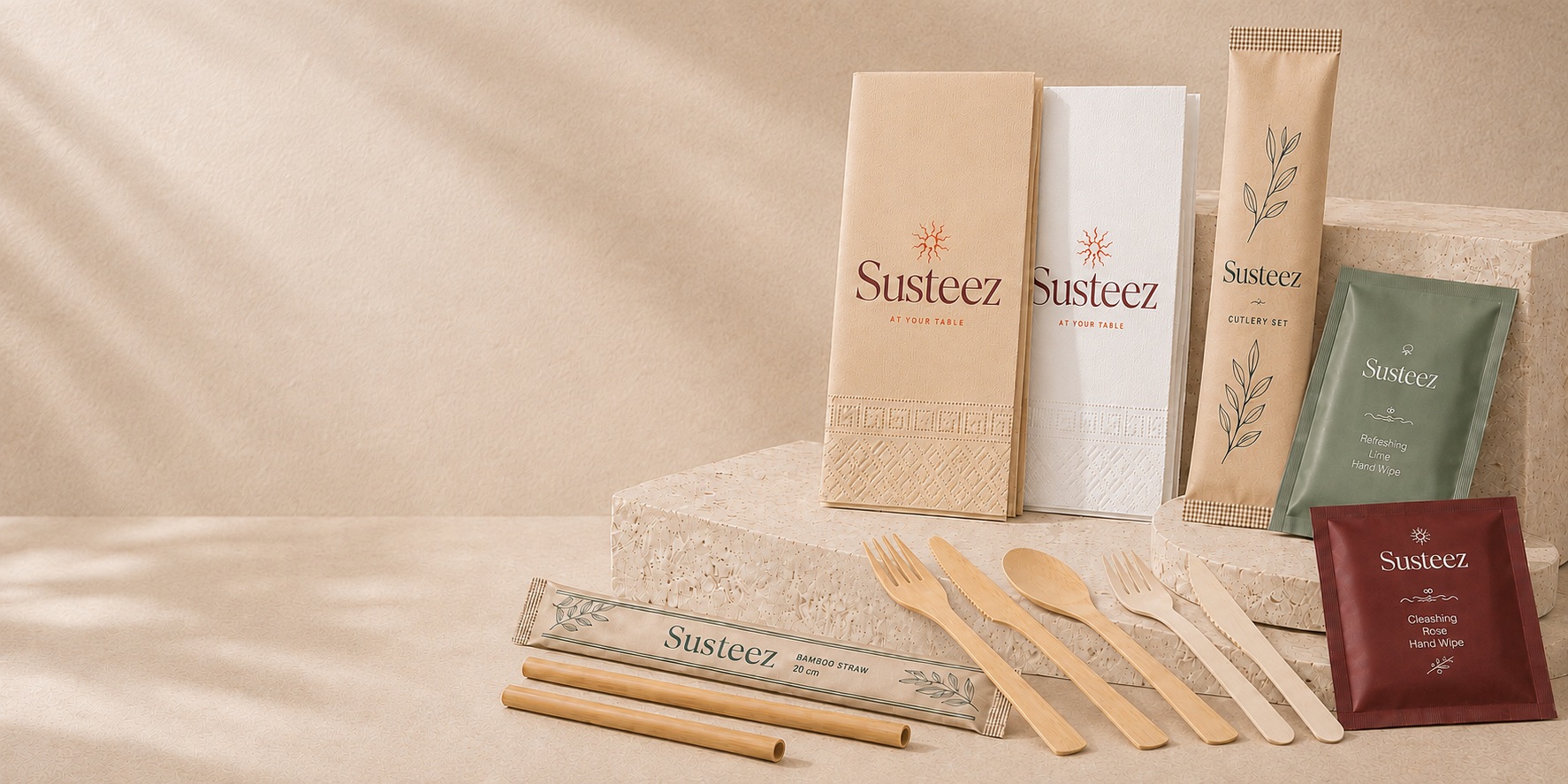
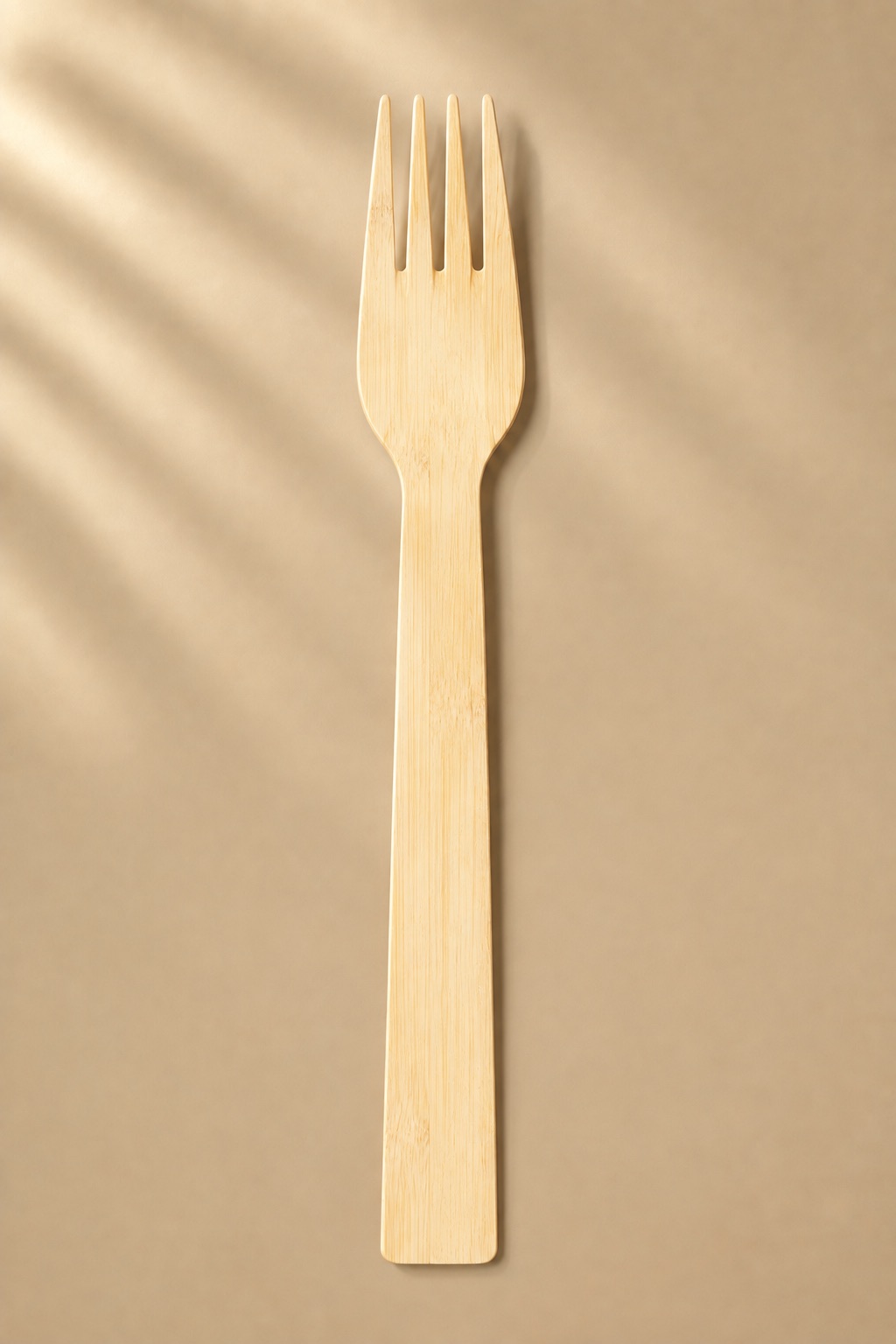
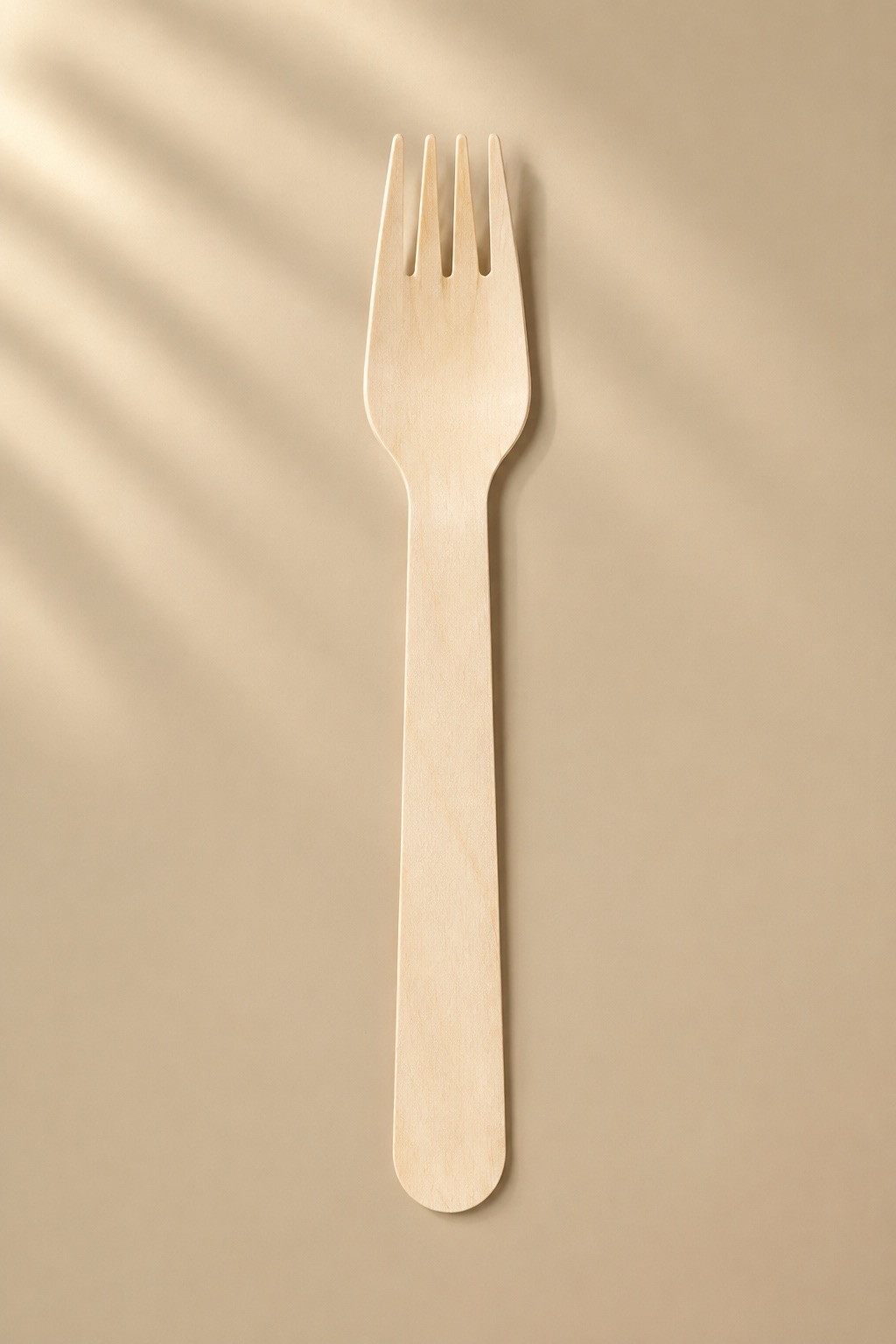
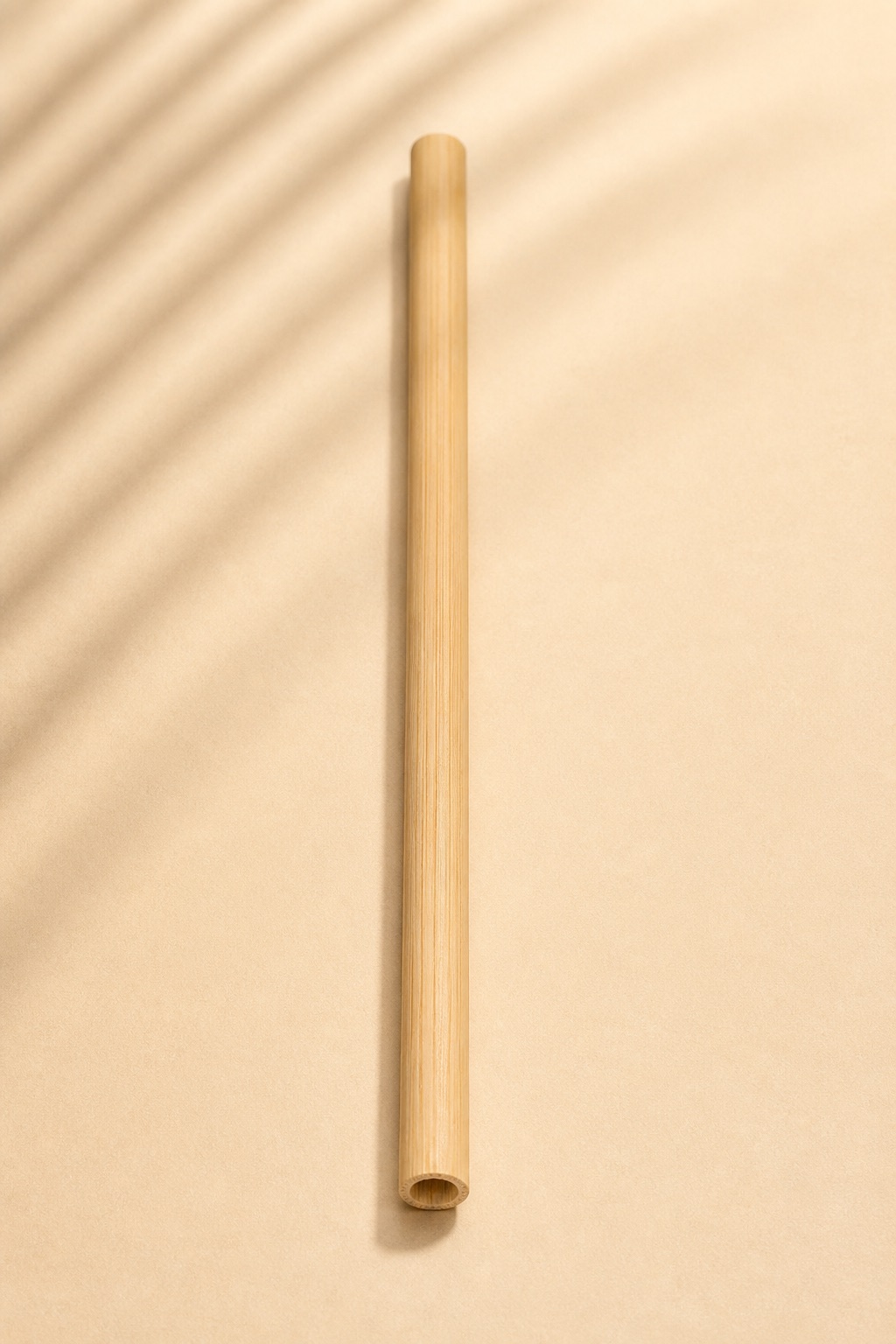
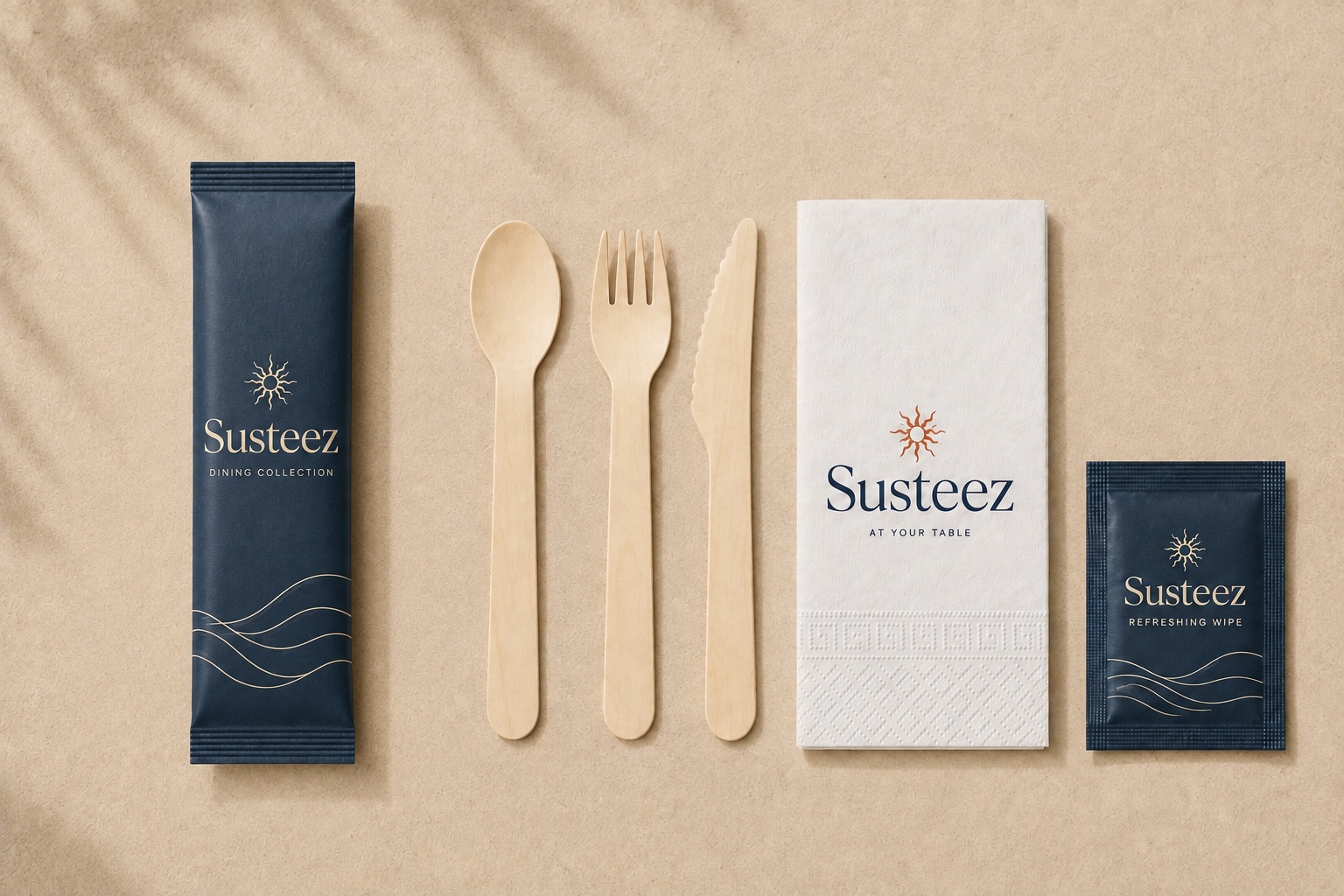
The tax applies to plastic content. Untreated wood, bamboo and uncoated paper carry none, so the base is nil. Where a pack includes a laminate or a plastic layer, that layer alone is assessed — which is exactly why layer composition has to be known in writing.
A caution worth repeating
Claiming exemption without documentation is a liability, not a saving. Where the layer structure of a pack is not documented, the correct step is to request the composition from the supplier in writing before making any claim.
Frequently asked
- Who pays the tax?
- The party that manufactures, imports or intra-EU acquires the packaging for the Spanish market.
- Does it apply to imported filled goods?
- The packaging accompanying imported goods can fall within scope. The composition of that packaging determines the base.
Last updated: 2026-09-13