
Minimum Order Quantities
Why there is a minimum, where each product starts, and whether the unit price changes with quantity.
Why is there a minimum order quantity?
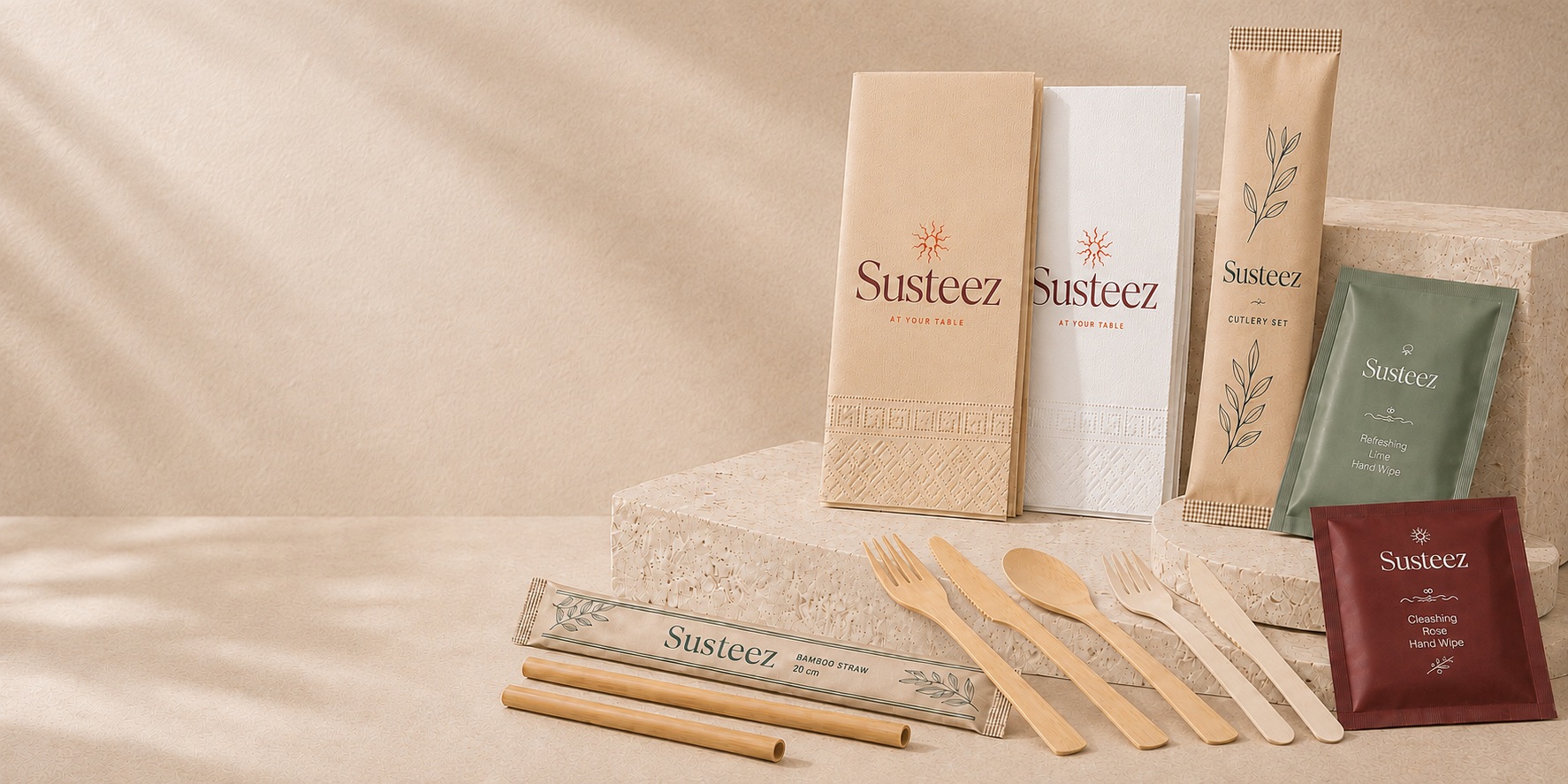
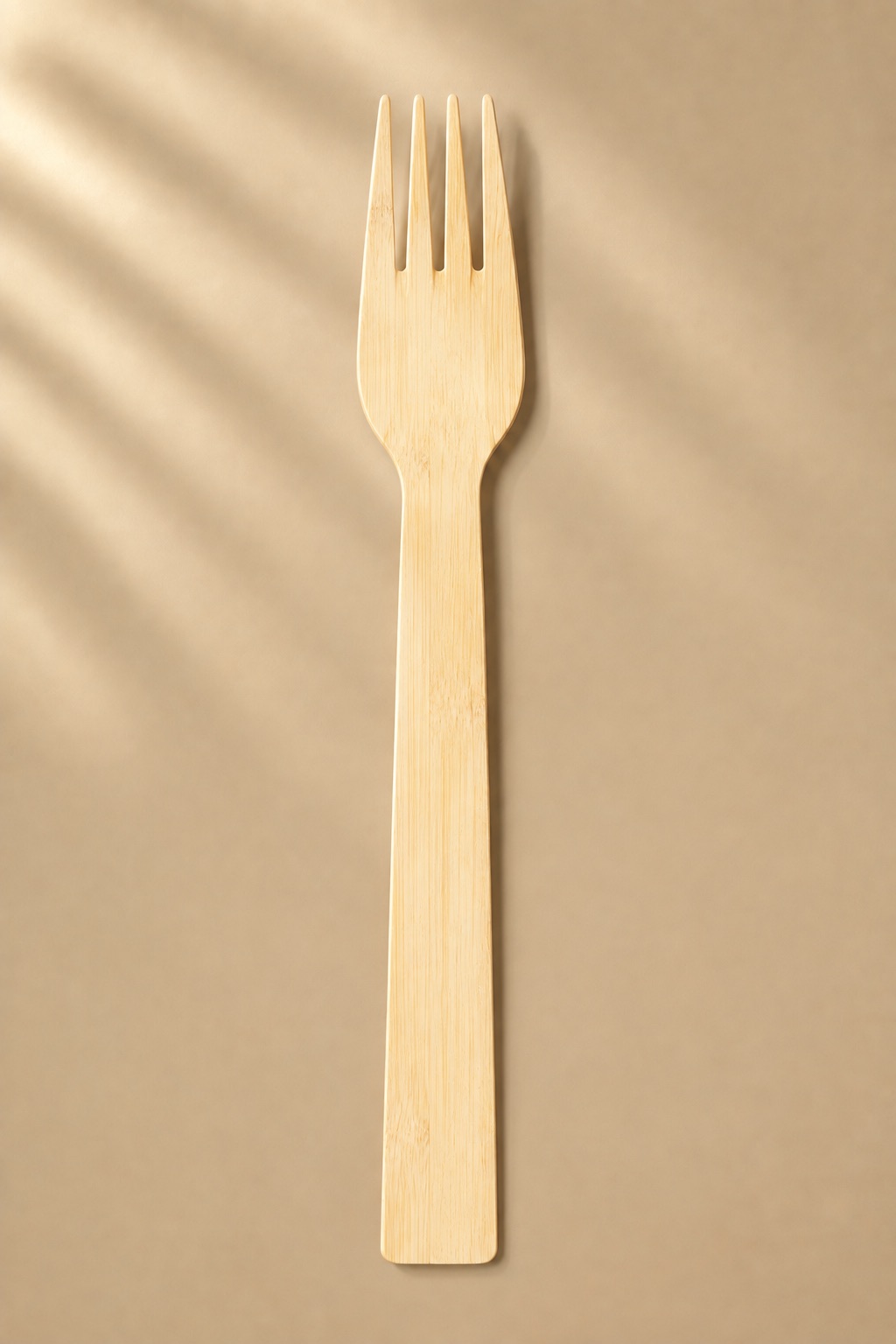
In printed production, line setup, machine calibration and the first test prints are a fixed cost: they happen once, however many units you make. That is why every product has a lower threshold below which production stops being economical. Bamboo cutlery and bamboo straws are also produced by the case; quantities move in whole cases, and half a case is not produced.
Minimums by product
The unit price does not change with quantity
Whether you order 5,000 units or 200,000, the unit price is the same — there is no quantity-based tier. The advantage of a large order is not in the unit price but in the one-off items: the plate fee is paid once and shipping gets cheaper per unit. Businesses that buy regularly get a discount through the customer group assigned to their account; you see your rate on the price screen once you sign in.
Which products have a plate fee?
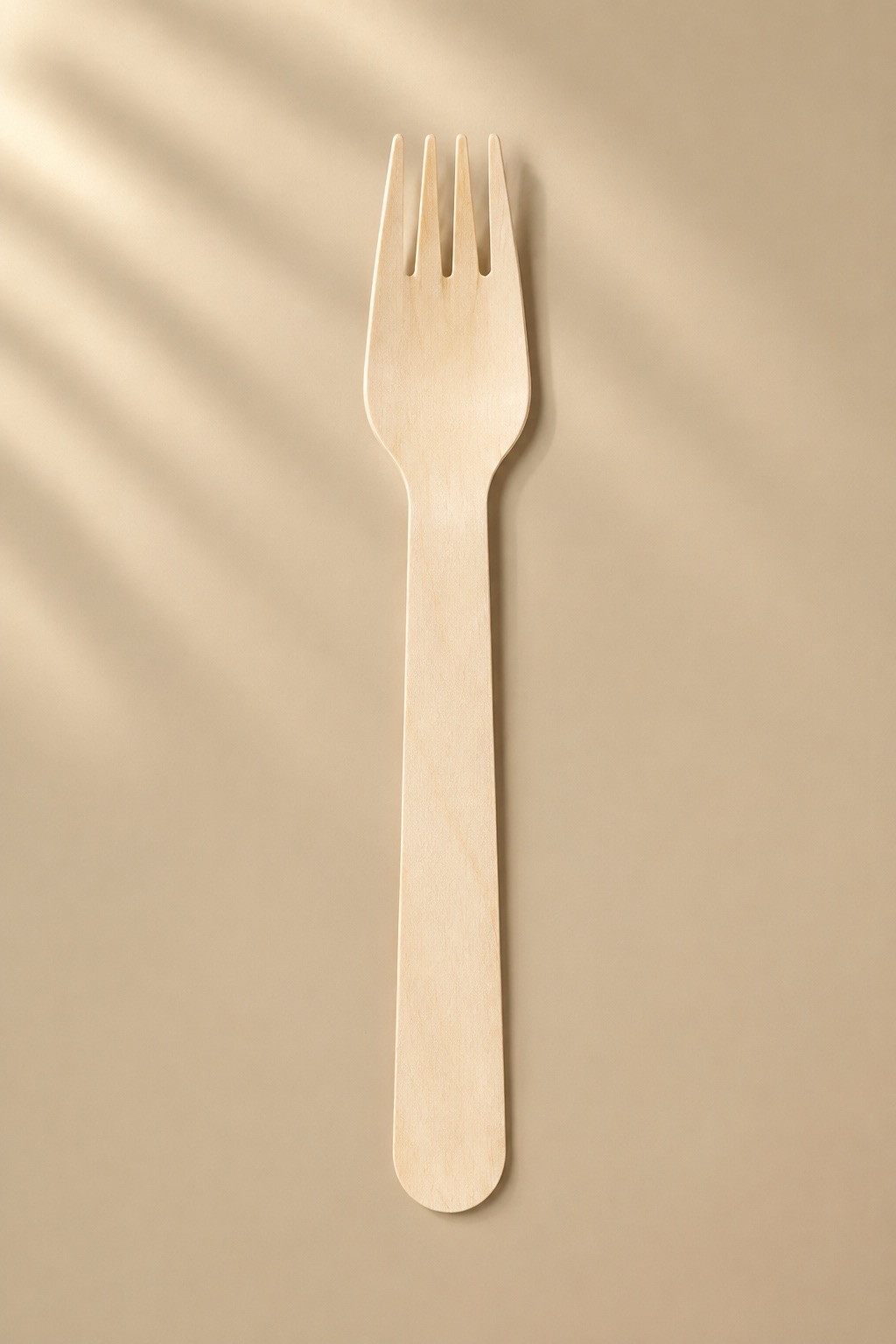
On forks, spoons and knives the logo is pad-printed straight onto the body of the product; because the die prints on the product itself, there is no separate plate fee. Napkins, straw sleeves, wet wipes and the outer packaging of a kit do carry a one-off plate fee per colour. You do not pay it again when you reorder the same design.
Why is the napkin minimum so high?
Napkins are printed on a flexo line, and the line cannot take a job below 48,000 units: setup, initial waste and cleaning are the same whatever the quantity. That puts the napkin minimum well above the other products. For smaller quantities an unprinted napkin is a good middle ground — it comes from stock, so no minimum applies.
Why is the wet wipe minimum higher?
Wet wipe production requires the impregnation and packaging line to be set up in one go. Line setup and cleaning is a fixed operation regardless of order size, which creates a higher threshold than other products. Above 100,000 units you can request a custom scent formulation.
Individual sleeves raise the minimum
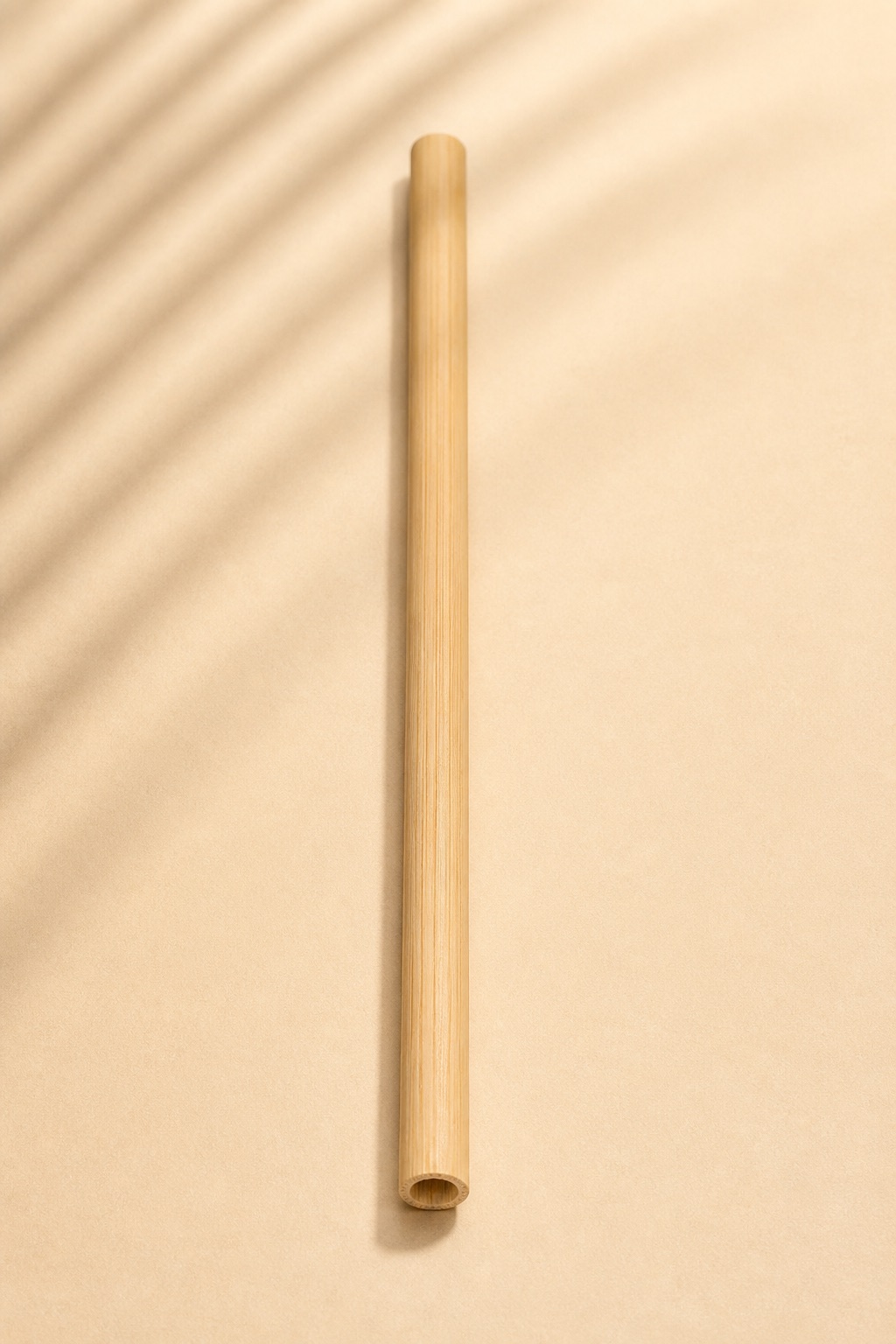
If you want bamboo straws wrapped individually, the sleeving line brings its own minimum and the order rises to 12,000 units. That minimum does not apply if you only want the logo pad-printed on the straw itself — the product's own 3,000-unit threshold is enough.
Component minimums inside a kit
A Custom Kit starts at 10,000 units, but the printed napkin and wet wipe you put inside it have production minimums of their own. If your kit quantity is below those, the difference is still produced and shipped to you separately; you see it as its own line in the order summary. This does not happen with unprinted components — they come from stock, so only as many as the kit needs go in.
Stock planning: how much should I order?
Measure your daily consumption and work out 3–6 months of need. These products have a long shelf life; napkins and cutlery keep for years. Since the unit price does not fall with quantity, the gain from a large order lies elsewhere: the plate and line setup are paid once, shipping gets cheaper per unit, and you lower the risk of running out.
The advantage on reorders
The plate prepared for your first order and your recorded Pantone code are kept on file. When you reorder the same design, preparation is faster and brand consistency is guaranteed.