Supplying Netherlands from Türkiye
The Netherlands moved against single-use plastics earlier and harder than the EU minimum required, which makes it an unusually good market for what we make. Dutch venues have already been through the transition that other countries are only starting: the question there is no longer whether to move off plastic, but which alternative to standardise on. Rotterdam also makes the country a practical entry point for buyers who go on to serve Belgium and western Germany.
| Customs duty | 0% with an A.TR certificate — same customs union as Germany |
|---|---|
| Transit | Road freight from İstanbul, or sea to Rotterdam for pallet volumes |
| Applicable rules | PPWR (EU) 2025/40, SUP Directive, plus stricter national rules |
| Wet wipe marking | Must be in Dutch where the product is sold in the Netherlands |
| Registration | Extended producer responsibility via Afvalfonds Verpakkingen |
The Netherlands went further than the directive
Since July 2023 venues have had to charge for single-use plastic cups and food containers taken away, and for consumption on the premises single-use items containing plastic are not permitted at all. From January 2026 the mandatory charge is set at a fixed amount per cup or meal filled on site, and from 2027 the emphasis shifts again: the charge falls away but offering a reusable option becomes obligatory. The practical consequence for a buyer is that anything with a plastic lining is a dead end in this market, while paper, bamboo and wood are not.
Producer responsibility applies to the importer
Extended producer responsibility for single-use food packaging, wrappers, beverage packaging and cups has applied since January 2023, and it attaches to whoever brings the goods into the Dutch market. As in Germany, this is the importer's obligation rather than the foreign manufacturer's. Register before the first shipment rather than after the first invoice.
Business runs in English, marking does not
Quotation, specification and artwork approval can all be done in English with Dutch buyers, which shortens the process considerably. The one thing that cannot be in English is the plastic-in-product marking on wet wipes: the directive requires the language of the market where the product is sold. If you serve the Netherlands and Belgium from one order, tell us at artwork stage — the Flemish market takes Dutch, the Walloon market takes French, and a single print run cannot satisfy both unless it is planned that way.
Why buyers here order differently
Dutch orders tend to be smaller and more frequent than German ones, with a strong preference for a supplier who can hold artwork and repeat exactly. That works in our favour: once the plate exists, a repeat order is a production booking rather than a new project, and the plate charge does not come round again.
For buyers serving more than one Benelux market from a single order, the marking language is the constraint to plan around, not the product. Raise it with us before artwork approval and we will lay the design out so the same run can be split correctly.
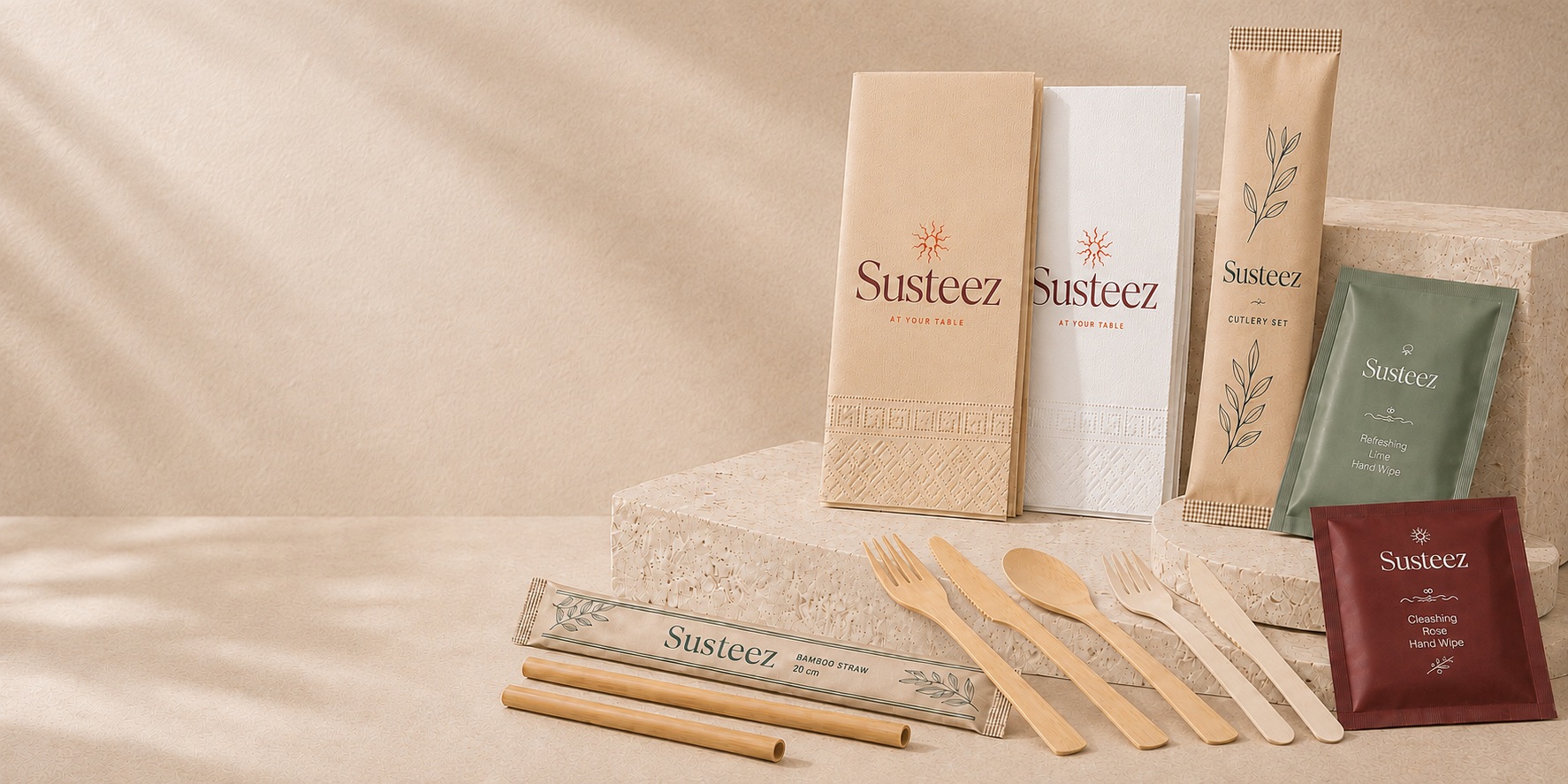
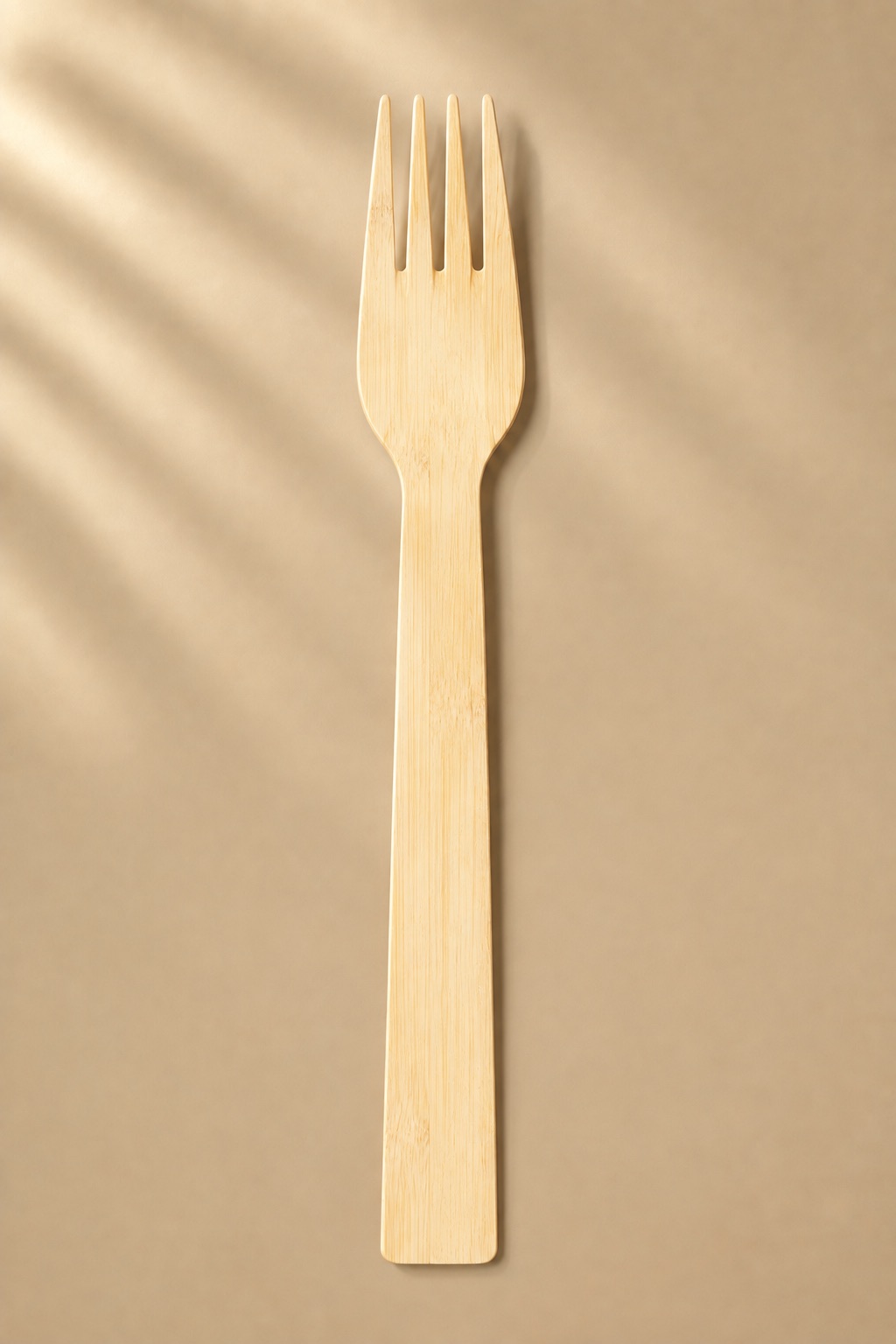
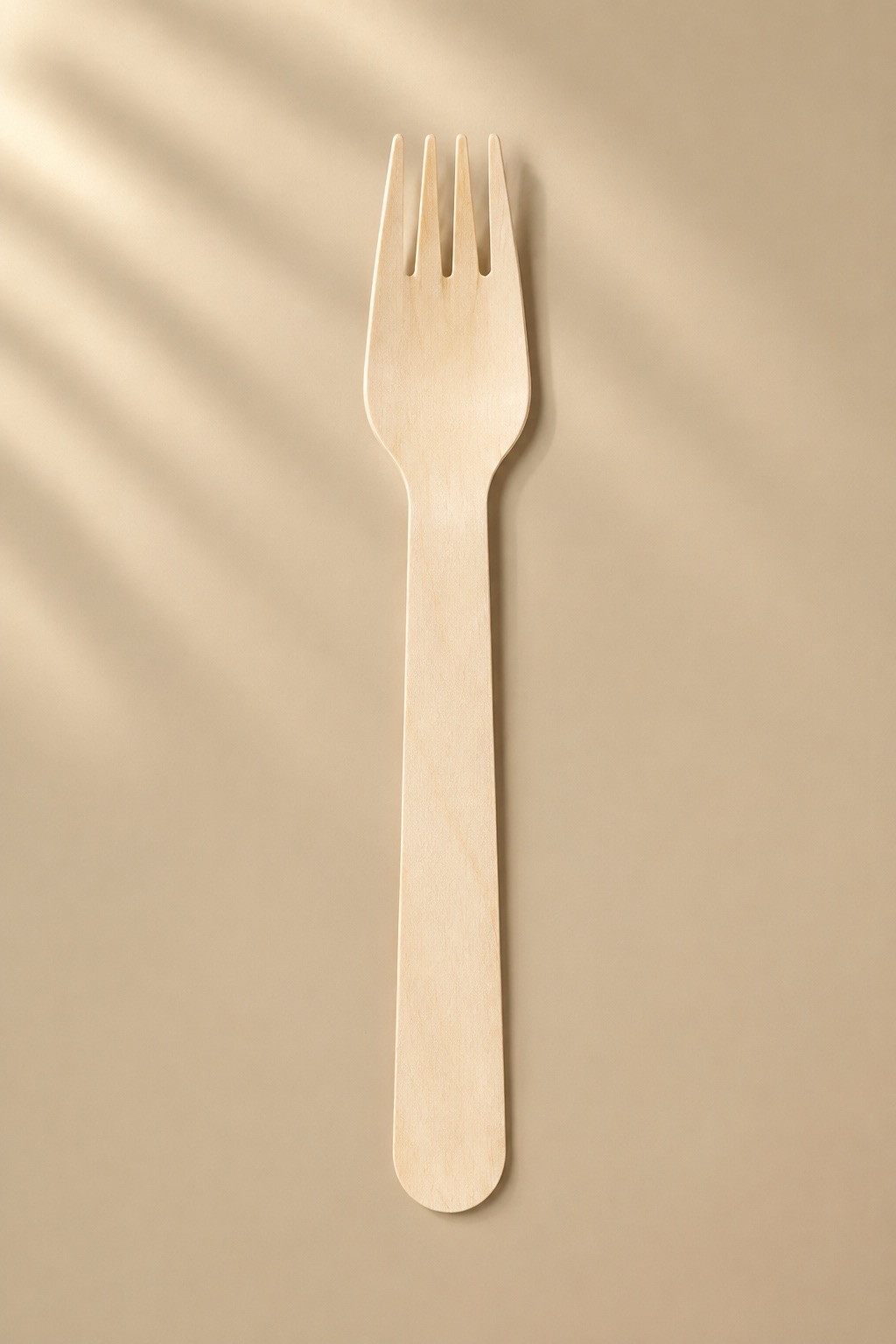
Most ordered for this market
Tell us the market at quotation stage. It changes the marking language on the artwork and, on wet wipes, sometimes the specification itself.
Request samples