Supplying United Arab Emirates from Türkiye
Three things came together in the UAE and each of them points the same way. The country-wide ban on single-use plastic cutlery, cups, straws, stirrers and polystyrene containers took effect on 1 January 2026 and is already being enforced. Türkiye and the UAE have had a comprehensive economic partnership agreement in force since September 2023. And the hospitality density of Dubai and Abu Dhabi means a single group can consume what a whole region consumes elsewhere. The buying question here is not whether to switch, but who can supply the alternative at volume.
| Customs duty | Reduced or eliminated on most lines under the Türkiye–UAE CEPA, in force since September 2023 |
|---|---|
| Transit | Sea or air from İstanbul — far shorter than sourcing from the Far East |
| Applicable rules | UAE-wide single-use plastic ban, final phase live since 1 January 2026 |
| Halal | Not a legal requirement, but distributors and hotel groups routinely ask for it |
| Printing | Arabic artwork supported alongside Latin scripts |
The ban is already in force, not coming
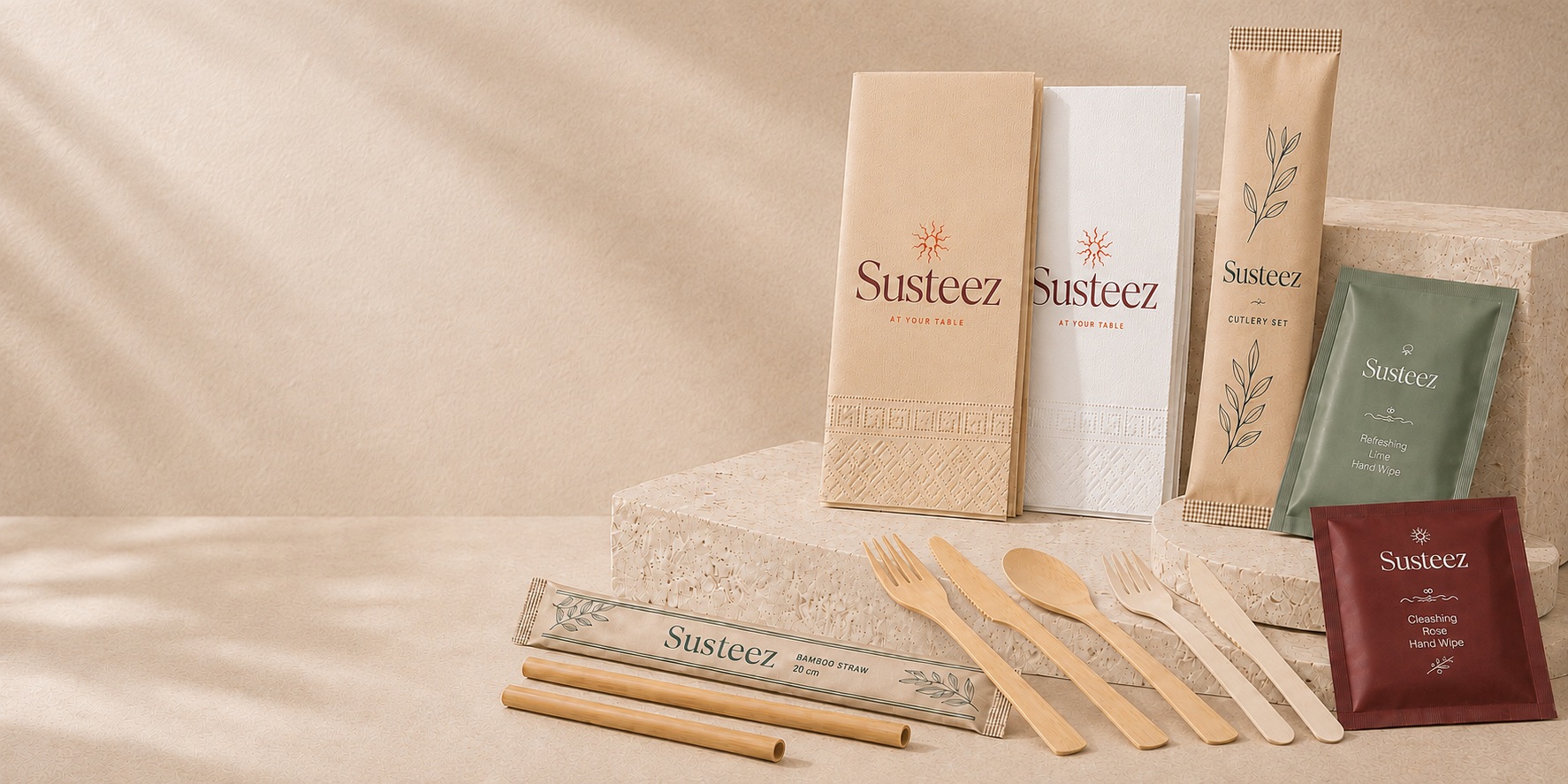
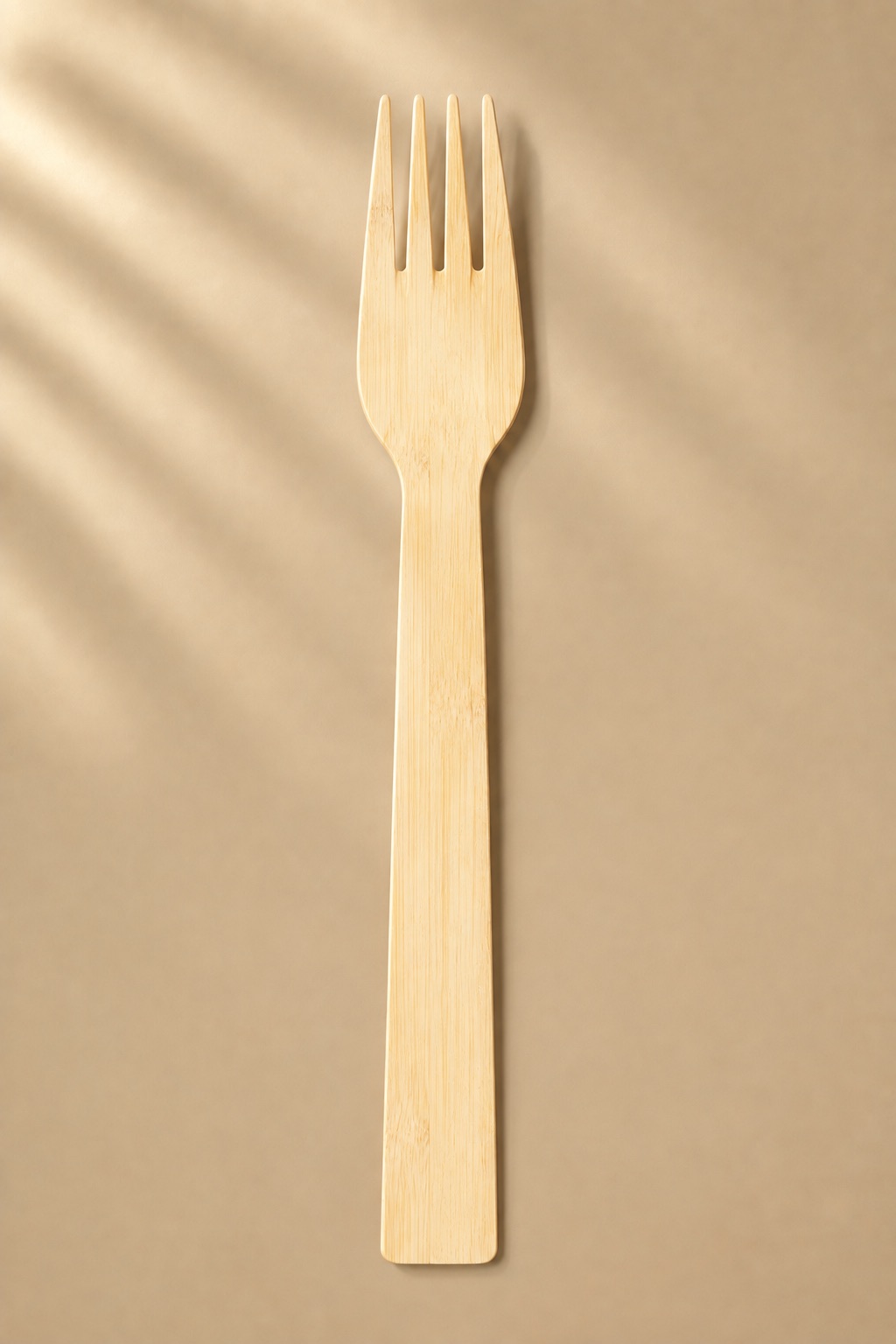
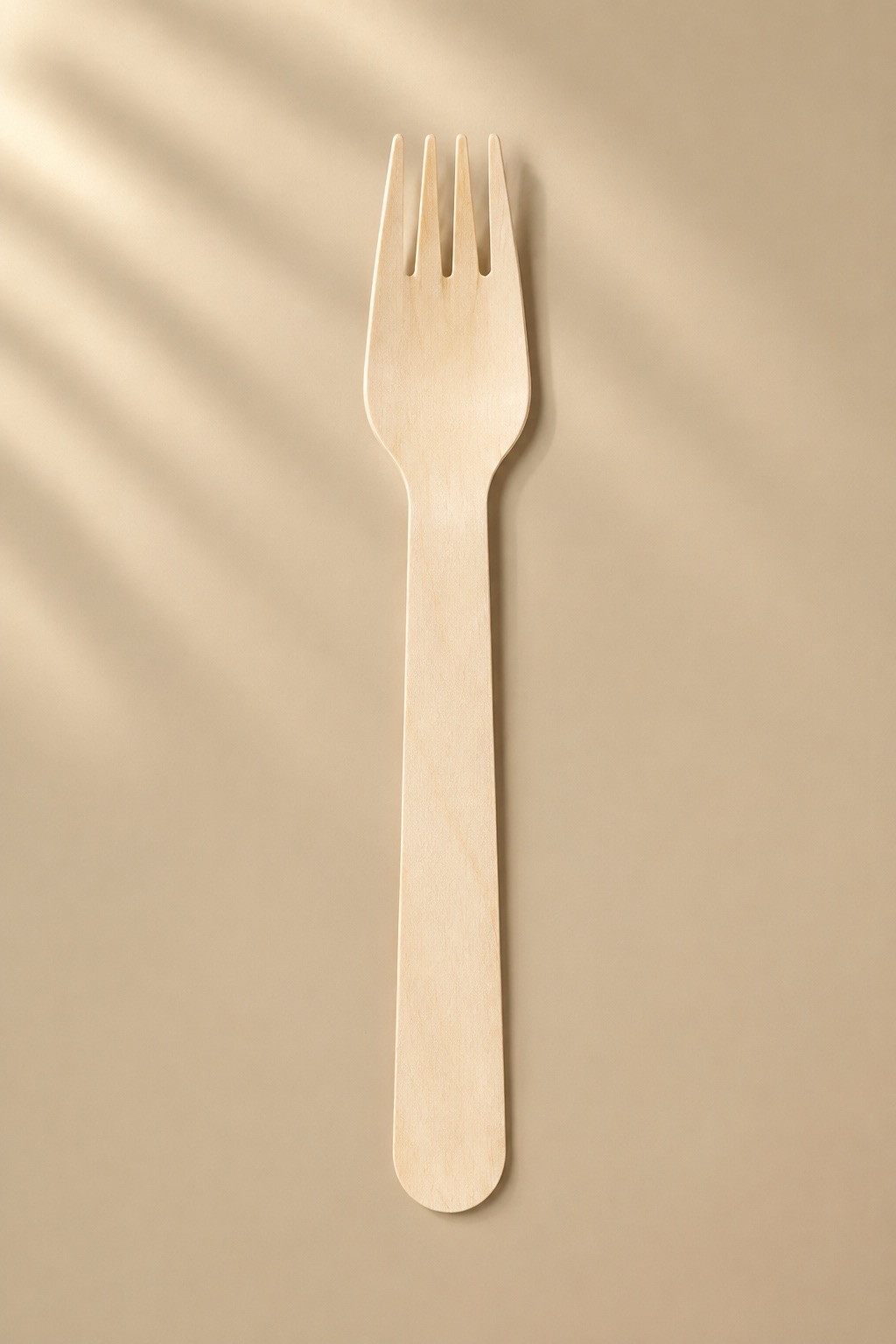
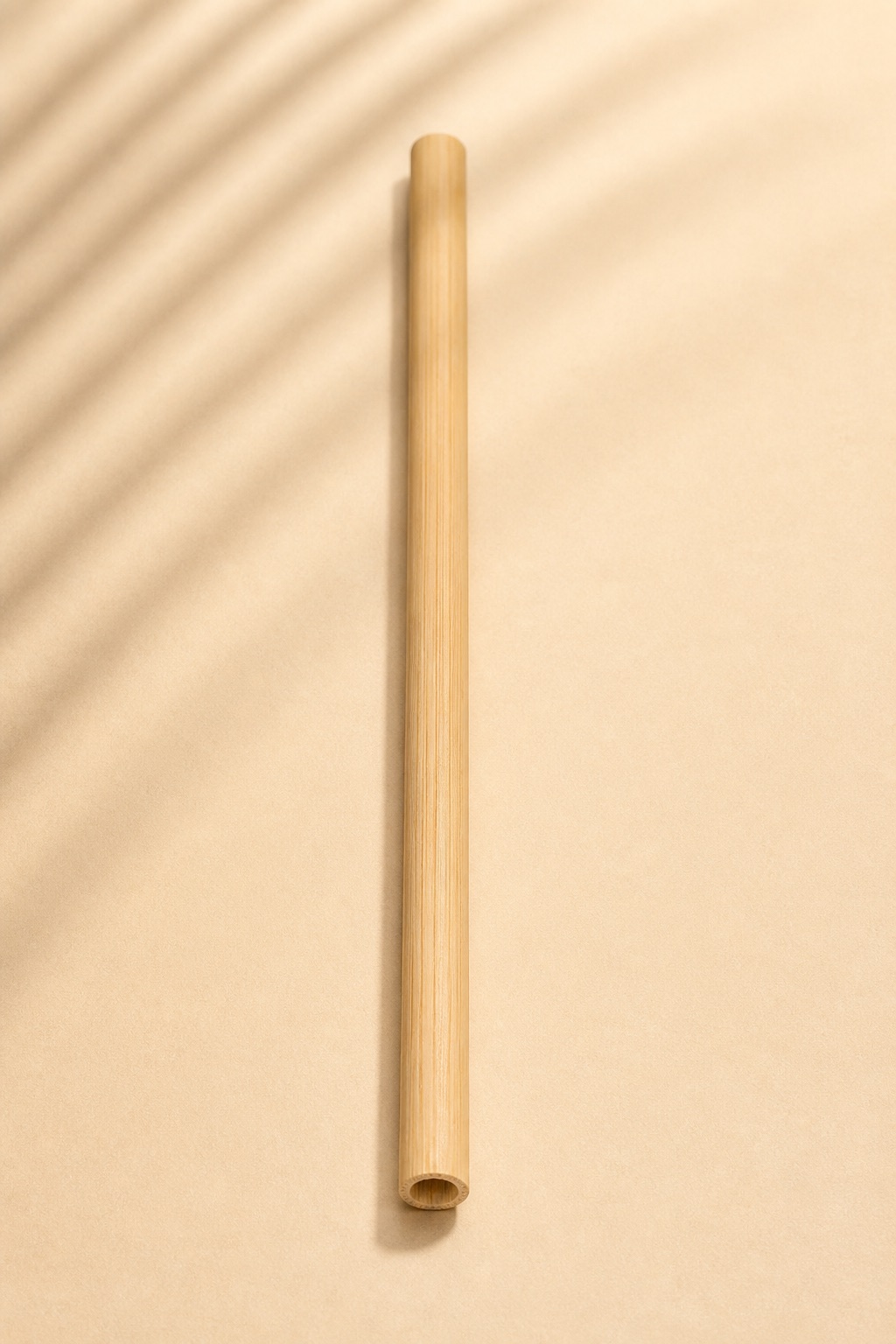
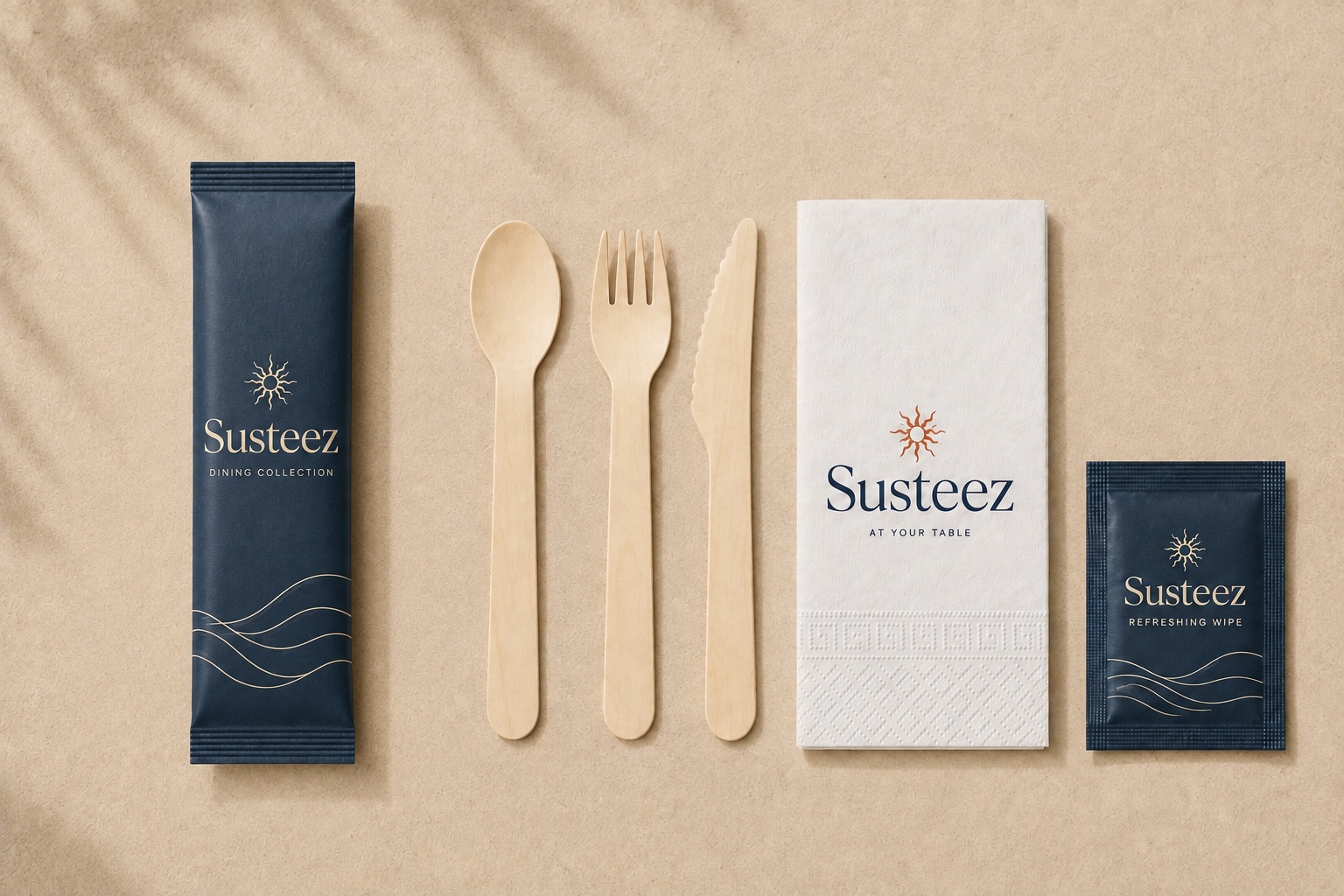
The final phase of the UAE ban began on 1 January 2026 and covers single-use cups and lids, cutlery, plates, straws, stirrers, and polystyrene food containers and boxes. It builds on earlier stages that removed plastic bags, polystyrene containers and stirrers in 2024 and 2025. Bamboo and wooden cutlery, bamboo straws and paper napkins are precisely the alternatives this creates demand for. Venues that left the switch late are sourcing now, not planning to.
Alcohol-free lotion is the deciding detail on wet wipes
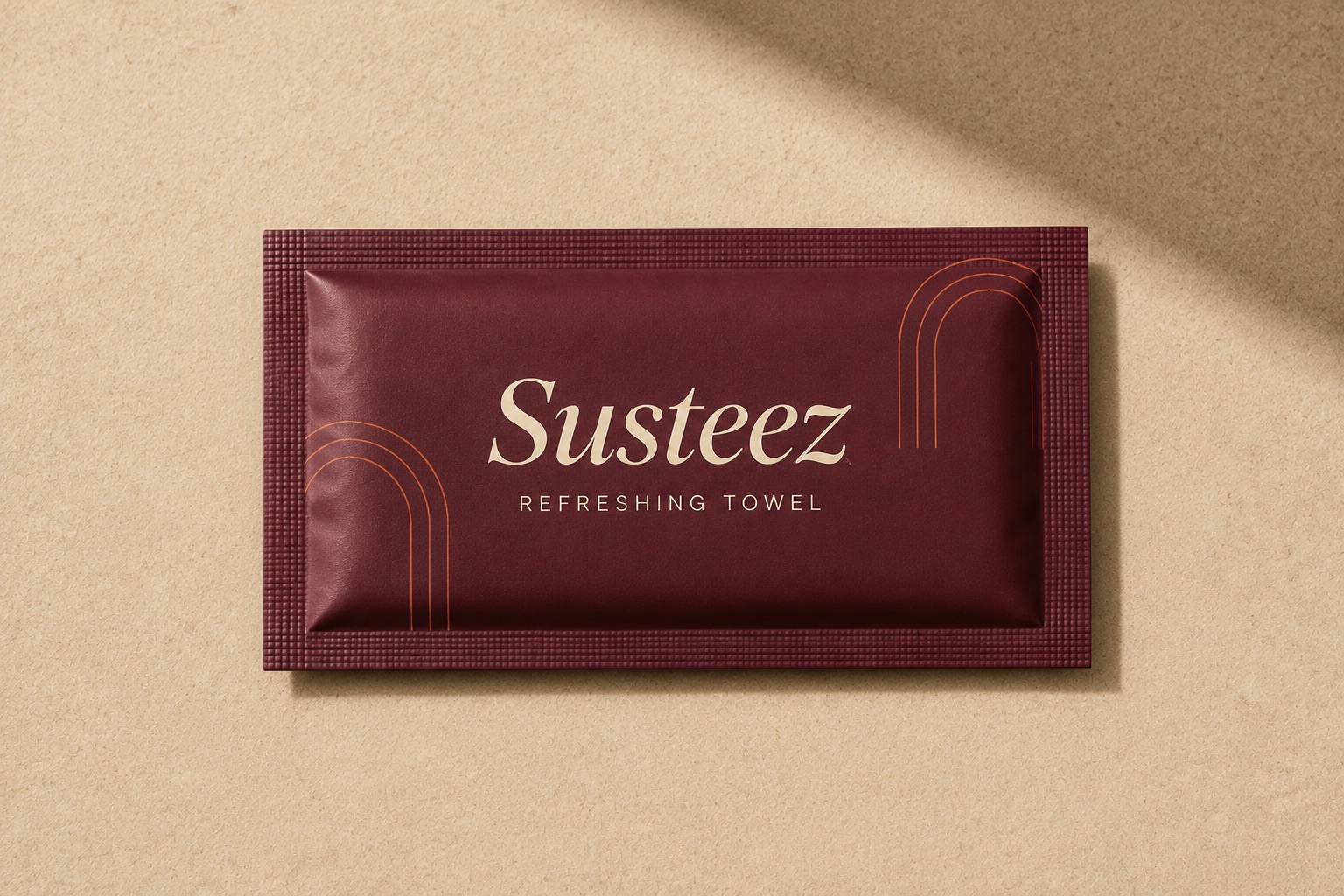
Halal certification is not mandated by law in the Gulf, but distributors and hotel groups ask for it as a condition of listing, and the point that decides the answer is the lotion. Gulf standards set limits on residual ethyl alcohol, and a wipe whose lotion contains ethanol will not pass a halal review. We produce an alcohol-free lotion, selectable on the wet wipe page alongside the standard formulation. It cleans identically. If your buyer will ask the question, choose it before sampling rather than after.
Arabic printing is a specification, not a favour
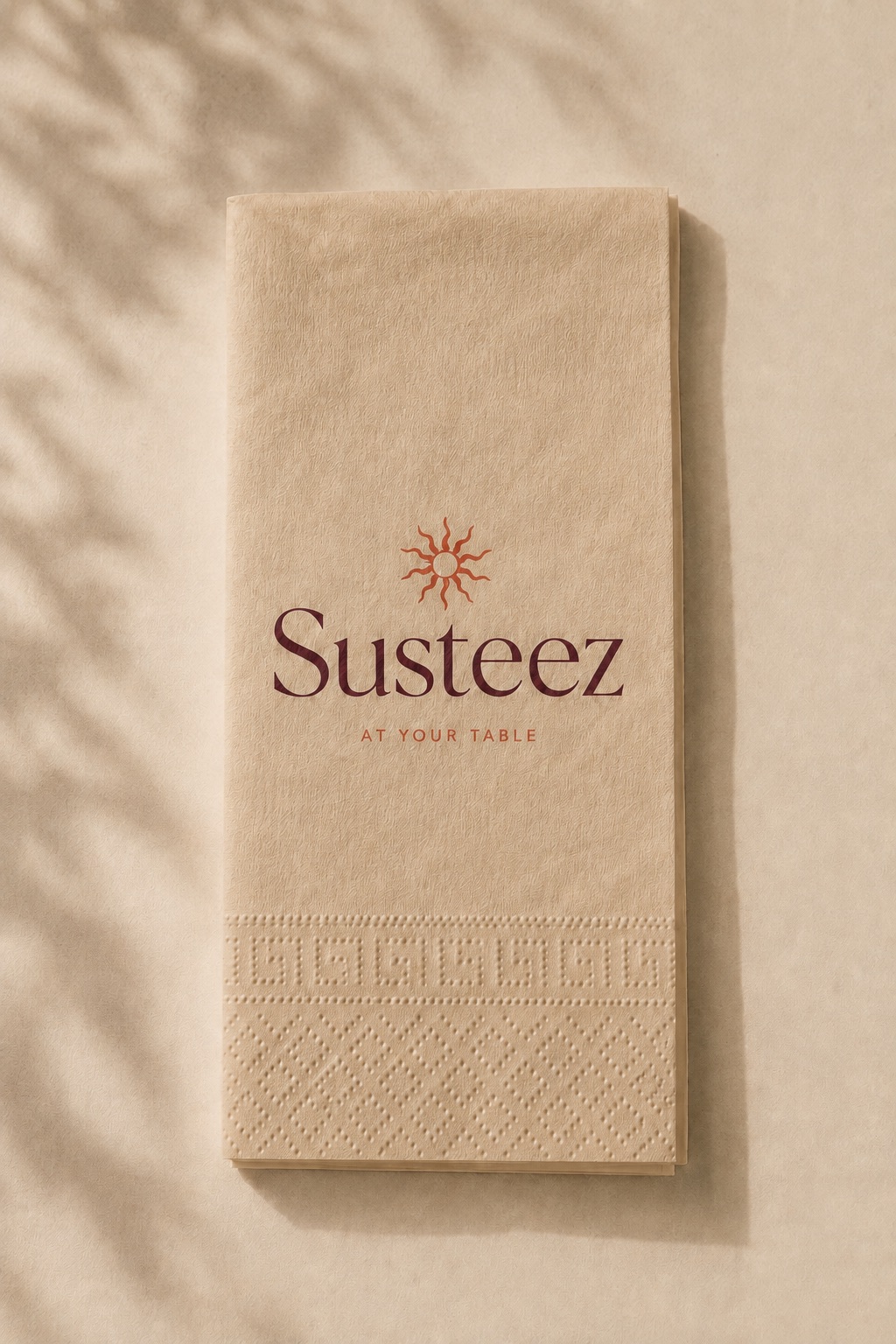
Arabic script on a napkin or a wipe sachet is not simply a font substitution: it runs right to left, joins its letters contextually, and a design laid out for Latin text will break when the Arabic is dropped in. We set Arabic artwork as part of the print preparation rather than as an afterthought, and we will send a proof before the plate is cut. Bilingual layouts, Arabic alongside English, are the usual request from hotel groups.
Why sourcing from Türkiye rather than further east
For a Gulf buyer the comparison is usually Türkiye against the Far East, and it turns on two things that do not appear on a price list. The first is time: shipping from İstanbul is a fraction of the distance, so a reorder is a matter of weeks rather than a quarter. The second is minimum quantity: our runs start low enough that a single property or a small group can order its own printed design rather than buying a generic product. Neither shows up in a unit price, and both decide whether a design can actually be maintained.
The two questions worth settling before you request samples are the lotion and the script. Alcohol-free lotion and Arabic artwork are both standard options here, but they change what we send you — ask for them at sample stage and you will be evaluating the product you would actually buy.
Most ordered for this market
Tell us the market at quotation stage. It changes the marking language on the artwork and, on wet wipes, sometimes the specification itself.
Request samples