

Supplying United Kingdom from Türkiye
The UK is the one market in this list where none of the EU mechanics apply. It left the customs union in 2021, so A.TR certificates mean nothing here and a customs declaration is required on every consignment. In their place there is a separate UK–Türkiye trade agreement that keeps industrial goods tariff-free, and a domestic rulebook that has moved faster than the EU on exactly the products we make. For a UK buyer the paperwork is different but the outcome is the same: no duty, and alternatives that are already compliant.
| Customs duty | 0% on industrial goods under the UK–Türkiye trade agreement, in force since 1 January 2021 |
|---|---|
| Proof required | Statement on origin — NOT an A.TR certificate; that document has no standing here |
| Formalities | Full customs declaration on every consignment, unlike EU shipments |
| Applicable rules | England's single-use plastics ban since October 2023; devolved rules in Scotland and Wales |
| Coming | Wet wipes containing plastic banned, expected spring 2027, across all four nations |
A.TR does not work here — and using it costs you
This is the single most common mistake in UK consignments from Türkiye. The A.TR certificate proves free circulation inside the EU–Türkiye customs union, and the UK has not been part of that union since January 2021. Presenting one at a UK border achieves nothing. What applies instead is the separate UK–Türkiye trade agreement, under which industrial goods carry a zero tariff provided the origin rules are met and a statement on origin accompanies the shipment. The tariff outcome is identical; the document is not. Ask your supplier which one they are issuing before the goods move.
England moved earlier than the EU on what we make
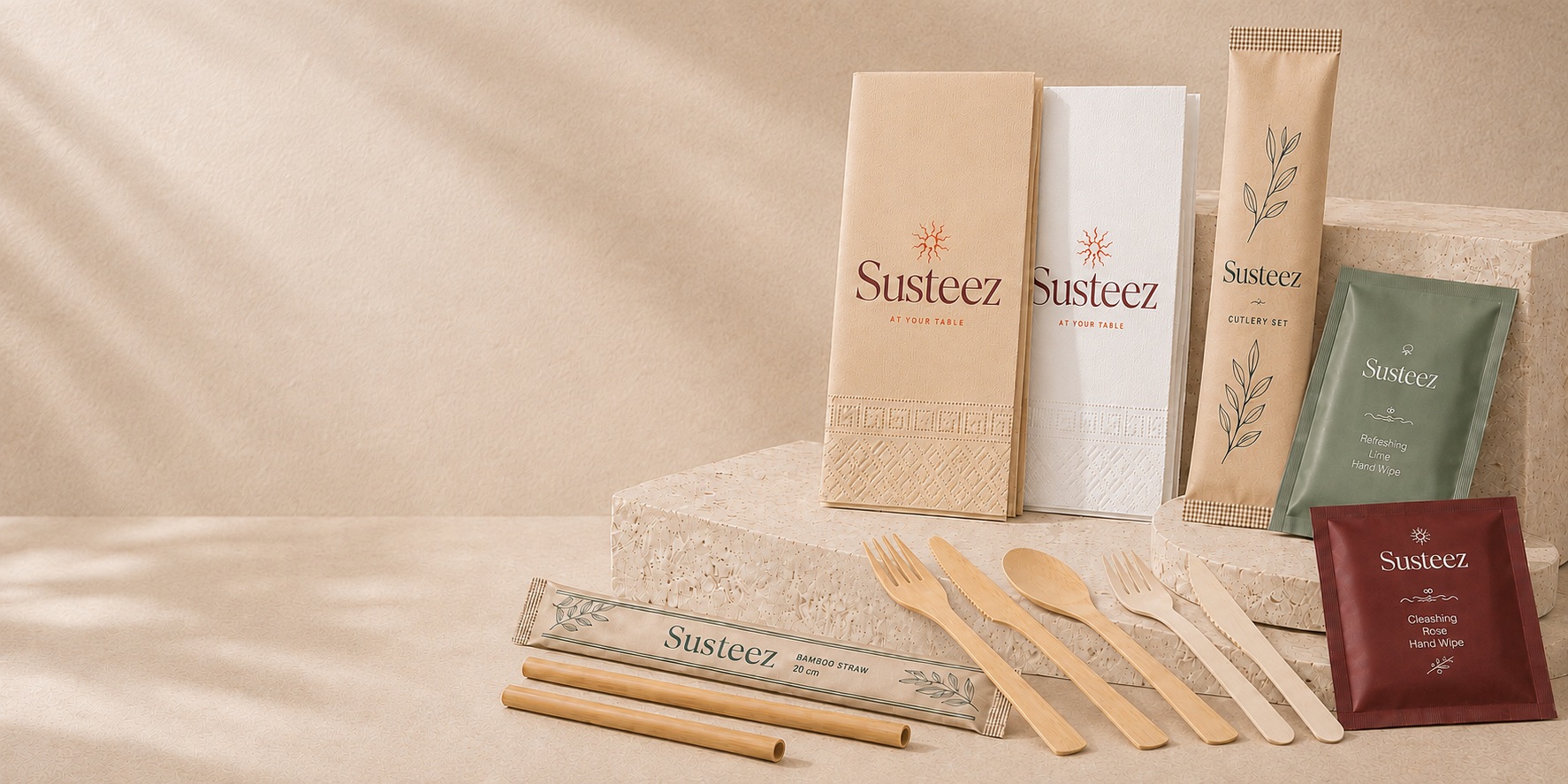
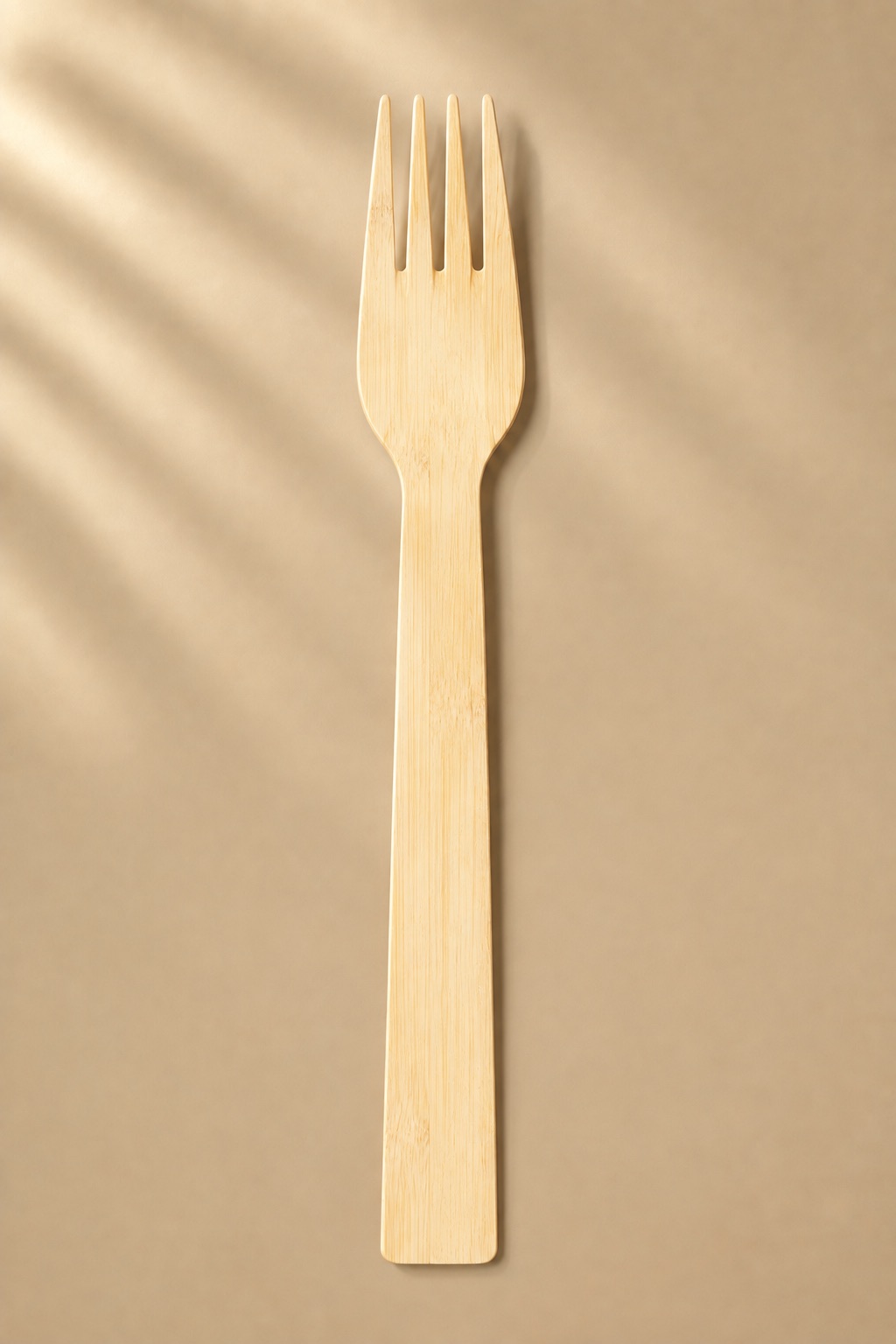
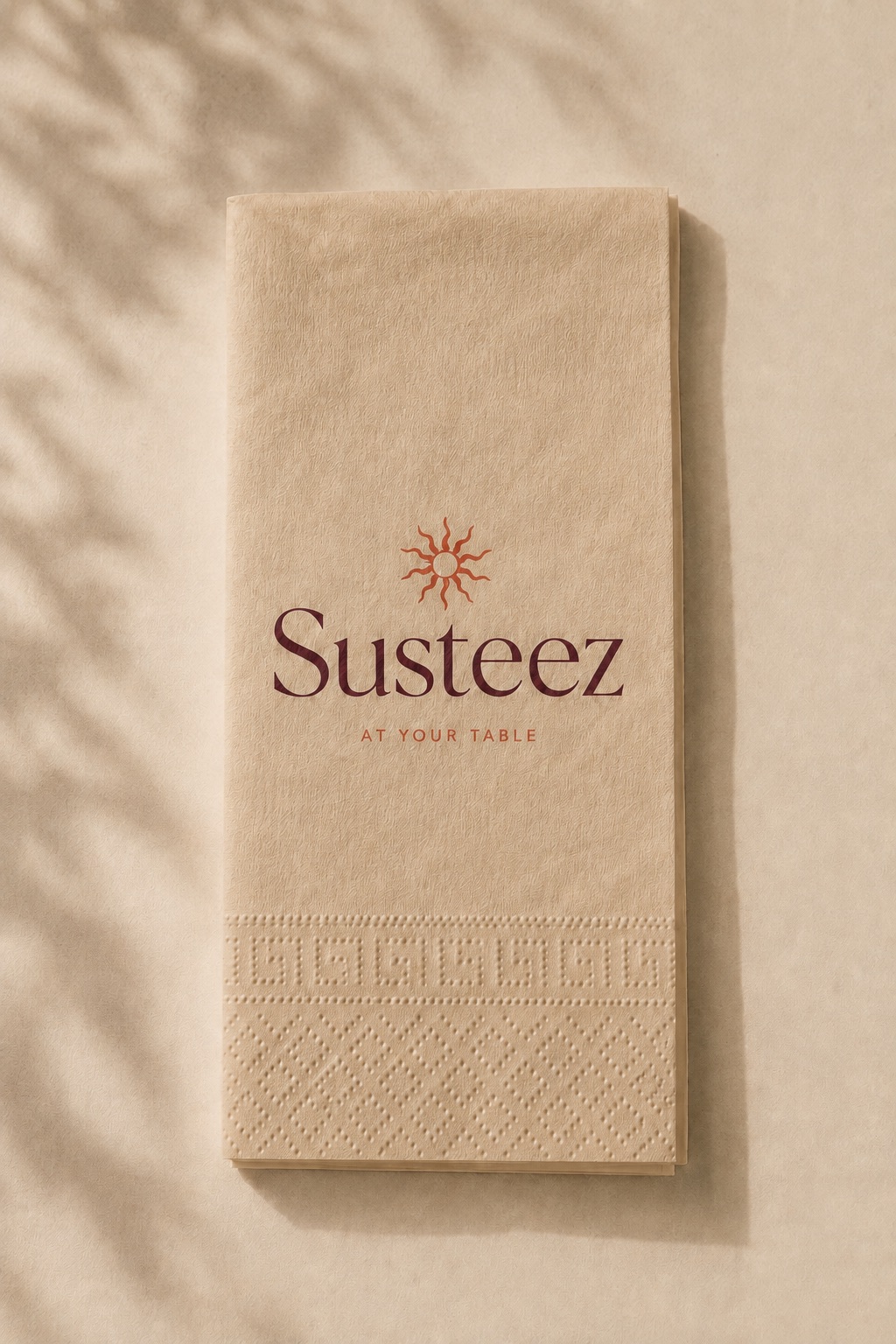
Since 1 October 2023 businesses in England may not supply single-use plastic cutlery, trays, plates or bowls, or expanded polystyrene cups and food containers for ready-to-eat food. Scotland introduced its own ban in 2022 and Wales followed in 2023, so the rules differ slightly by nation while pointing the same way. In practice a UK hospitality buyer has already been through this transition; the question is no longer whether to move off plastic but who supplies the alternative reliably. Bamboo and wooden cutlery, bamboo straws and paper napkins sit outside these bans.
The wet wipe ban is the one to plan for now
The UK has legislated to ban the manufacture, supply and sale of wet wipes containing plastic, expected to take effect in spring 2027 after a transition period, and applying across all four nations. A public consultation found overwhelming support, so the direction is settled rather than speculative. For a buyer this means any wipe specified today on a multi-year contract should already be plastic-free in the cloth, not only in the wrapper. Ask for the nonwoven composition in writing and keep it with the specification — the claim you will need to make later is about what is inside the pack, not what is printed on it.
Packaging obligations sit with the importer here too
As in Germany and the Netherlands, the party bringing packaging into the UK market carries the producer responsibility, and the UK's extended producer responsibility scheme requires registration and reporting rather than a simple levy. The scope catches the sachet a wet wipe comes in and the outer carton, not the napkin or the cutlery. Settle the registration before the first consignment: doing it afterwards means reporting on goods you have already sold.
What changes in practice for a UK order
Nothing about the product, and two things about the paperwork. Shipments carry a statement on origin rather than an A.TR, and each consignment needs a customs declaration, which adds a step but not a tariff. Lead times run slightly longer than to mainland Europe because of the crossing. Everything else — minimum quantities, the plate charge falling once, artwork approval — works exactly as it does for an EU order.
If you are comparing quotes, check which origin document the supplier intends to issue. An A.TR certificate is the right paperwork for the EU and the wrong paperwork for you; a quote built around it suggests the seller has not shipped to the UK before.
Most ordered for this market
Tell us the market at quotation stage. It changes the marking language on the artwork and, on wet wipes, sometimes the specification itself.
Request samples