



Boutique hotel: one property, five service points, five specifications
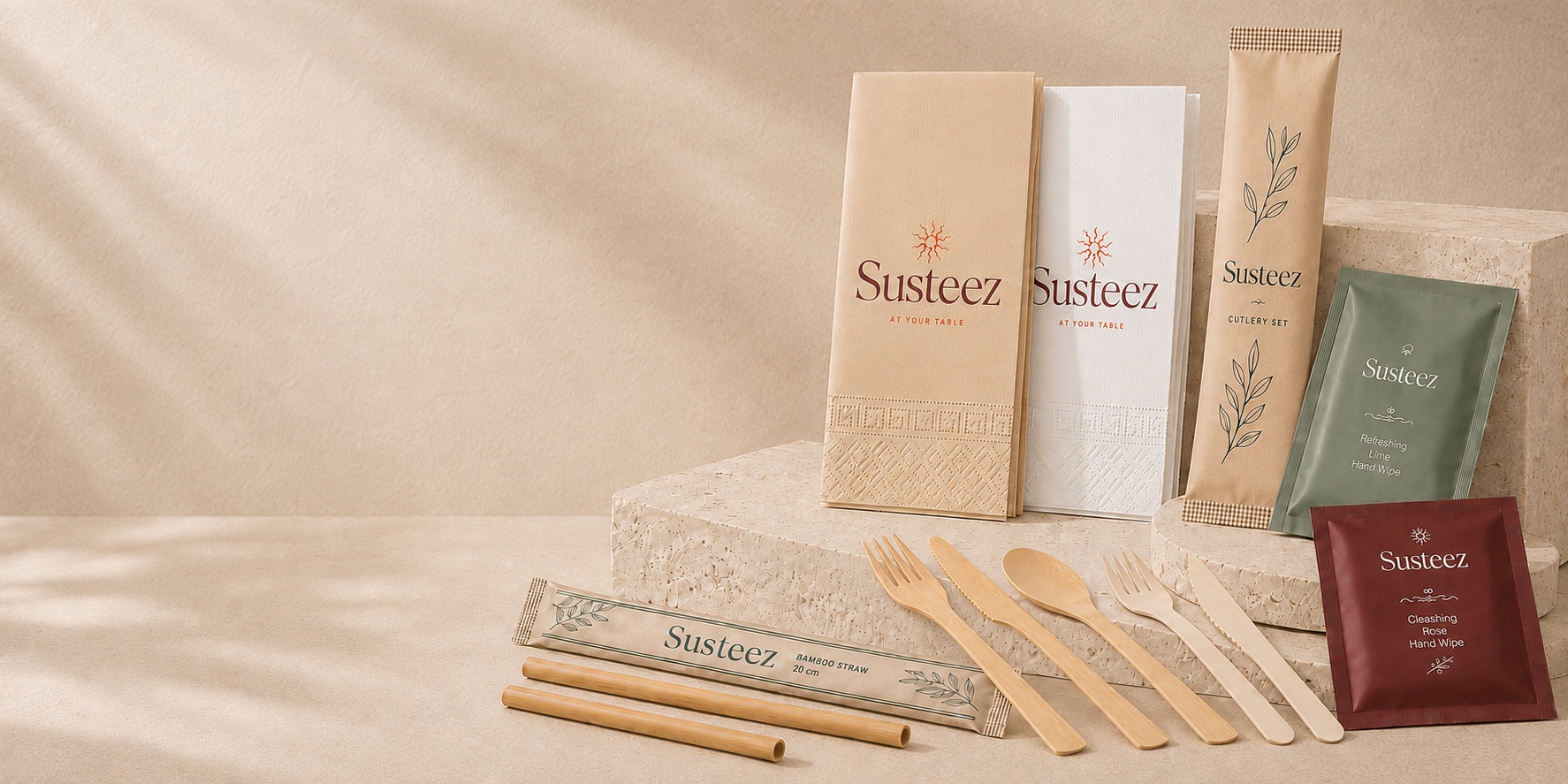
In a hotel, single-use items are not one department's job. Room service, breakfast, the pool bar and the spa each work with a different item, a different size and often a different budget line. In most properties the result is the same: each point buys separately, the brand shifts from point to point, and the volume advantage disappears.
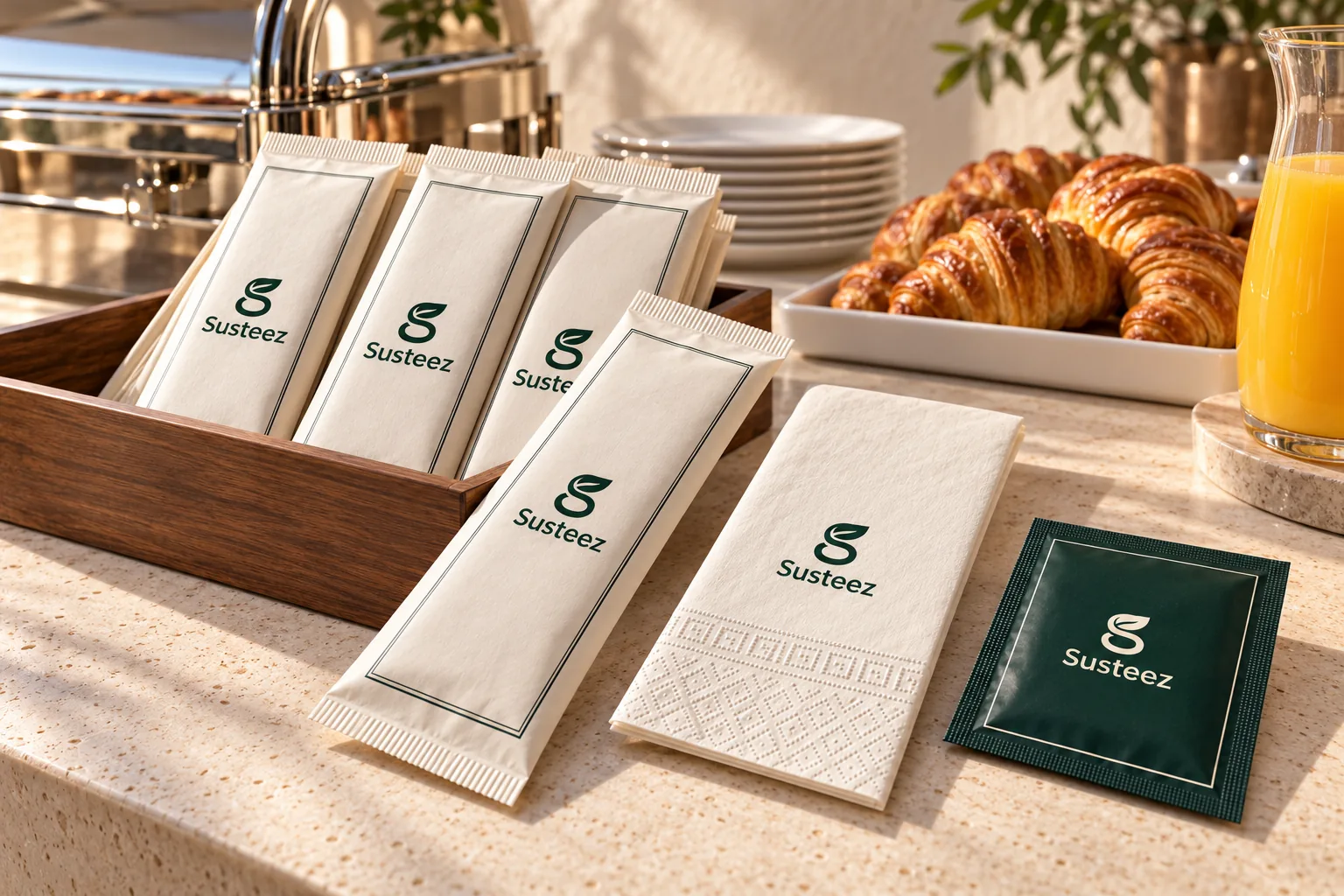
The guest sees the brand all day, not once
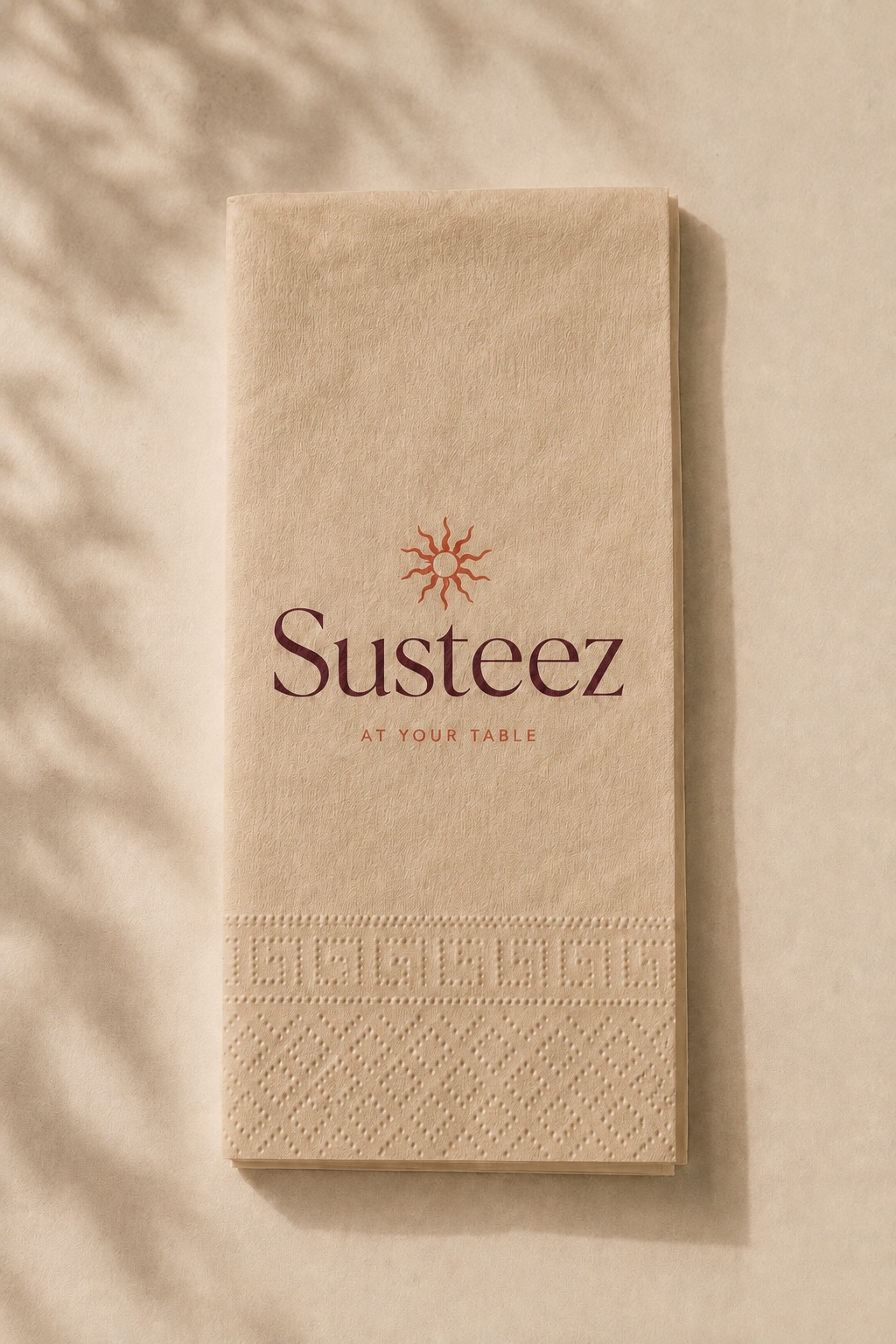
In a restaurant the contact is one meal. In a hotel the same guest sees the same mark at breakfast, at the pool, in the room and at the spa. Repetition is an asset rather than a cost: consistent, it is what builds the impression; inconsistent, it is the first thing noticed.
Every point has its own physics
Scattered buying loses the advantage
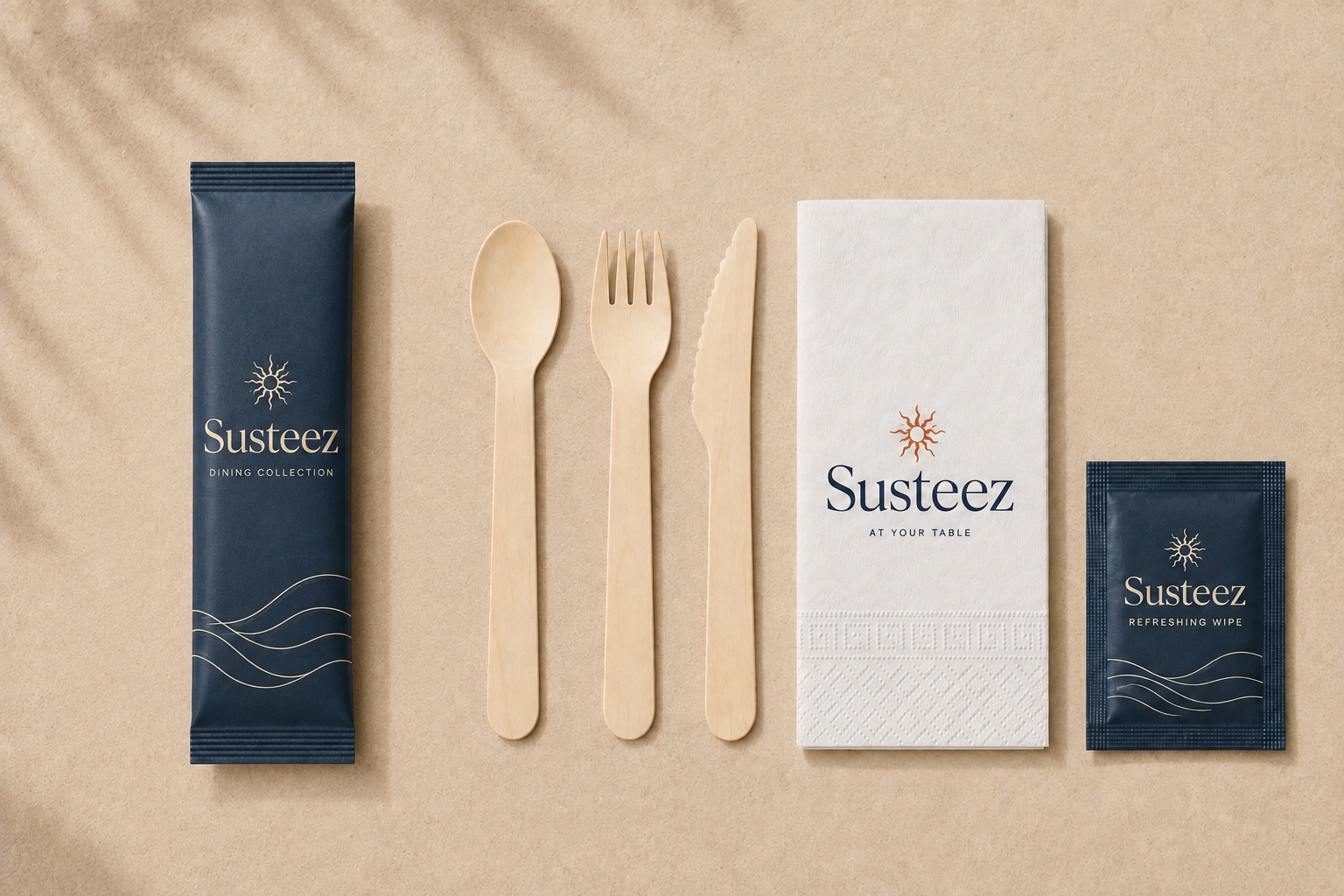
When five points order separately, each runs into its own minimum and none reaches a quantity break. Consolidating the same item into one line lowers the unit price and guarantees that the same Pantone code is used at every point.
With more than one property there are two routes
One brand and one production run gives the lowest unit cost. A parent brand with a property variant keeps local identity and usually comes down to one line changing. The choice is about positioning more than cost; either way, a registered Pantone code is what holds the colour steady.
In the spa, scent is part of the experience rather than a product feature
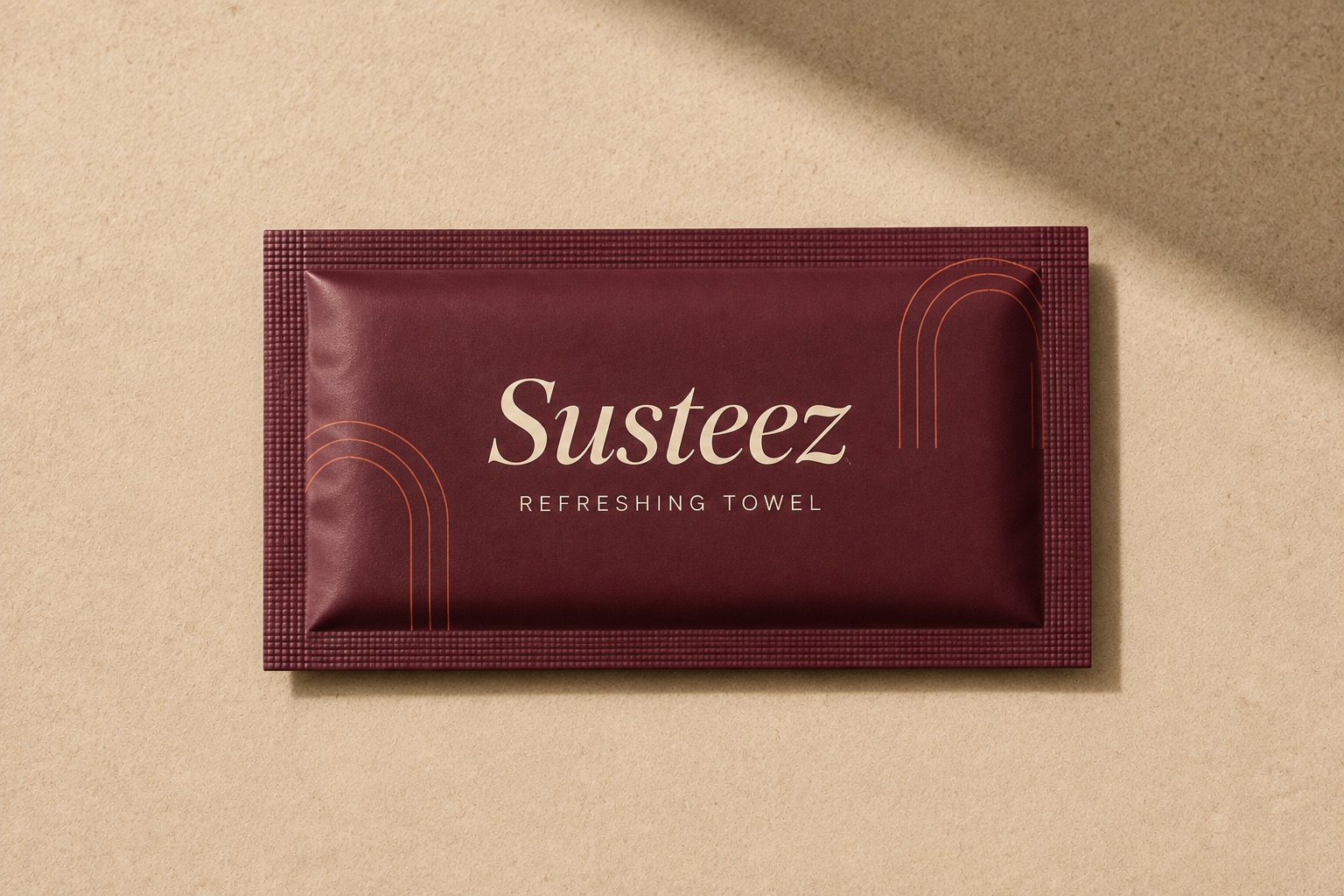
Fragrance on the wet wipe is chosen alongside the hotel's own scent identity. Lavender and green tea are common here, and a matt varnish outer supports the same impression. Alcohol-free fragrance comes up for guests with children and for sensitive skin.
Products
Start with whichever one you want to continue with.
Frequently asked
- Does each service point need its own design?
- It does not. The common answer is one design used at different sizes: the artwork is prepared once, while size and fold change by point.
- Should every property in a group use the same item?
- Both routes work. One brand and one run lowers the unit cost; a property variant keeps local identity. The decision is about positioning more than cost.
- How is colour held consistent?
- By registering the Pantone code at the start. The same code can read differently on different paper; that difference is settled at proof stage and then holds across reorders.
Last updated: 2026-10-09