



How the sample process works
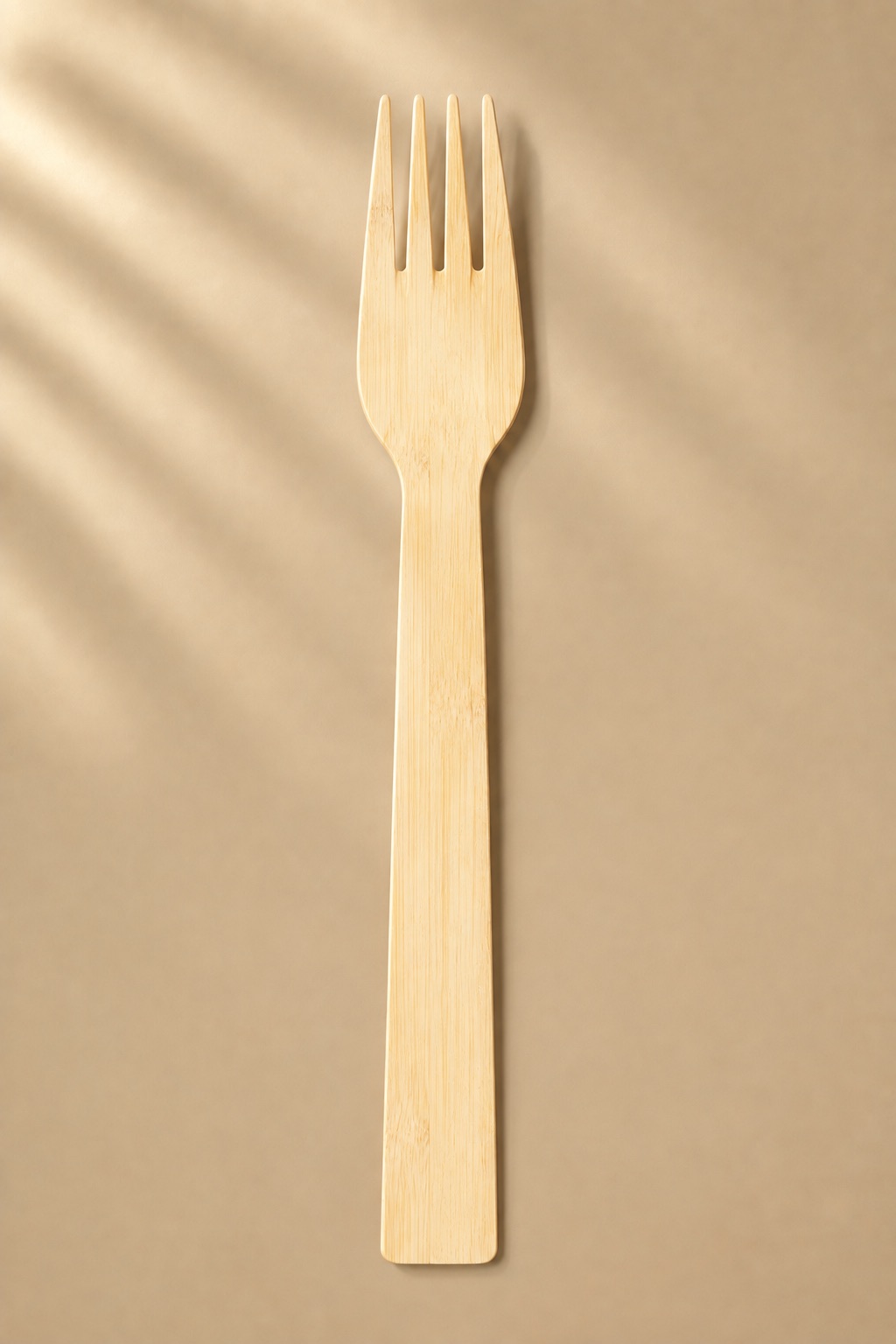
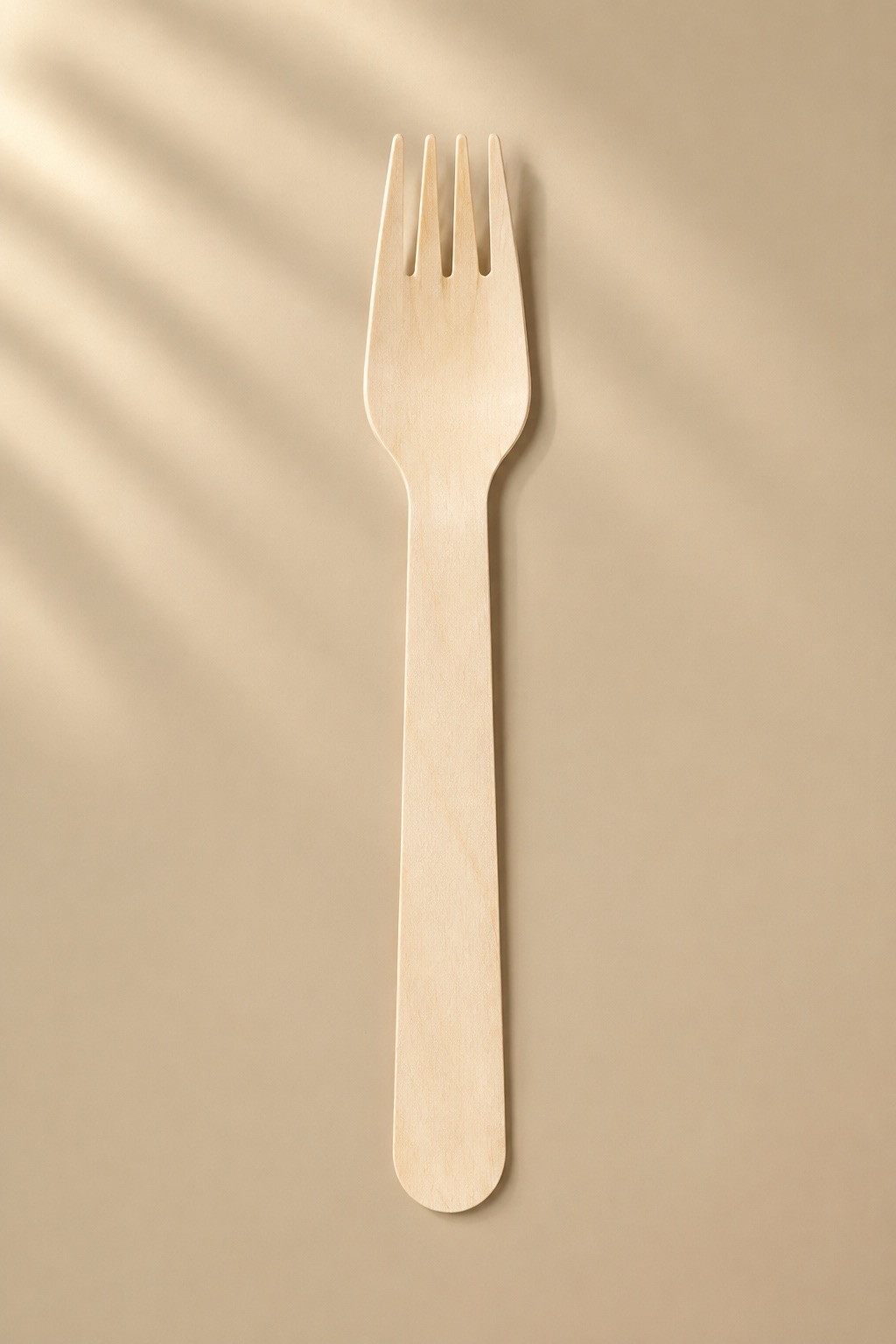
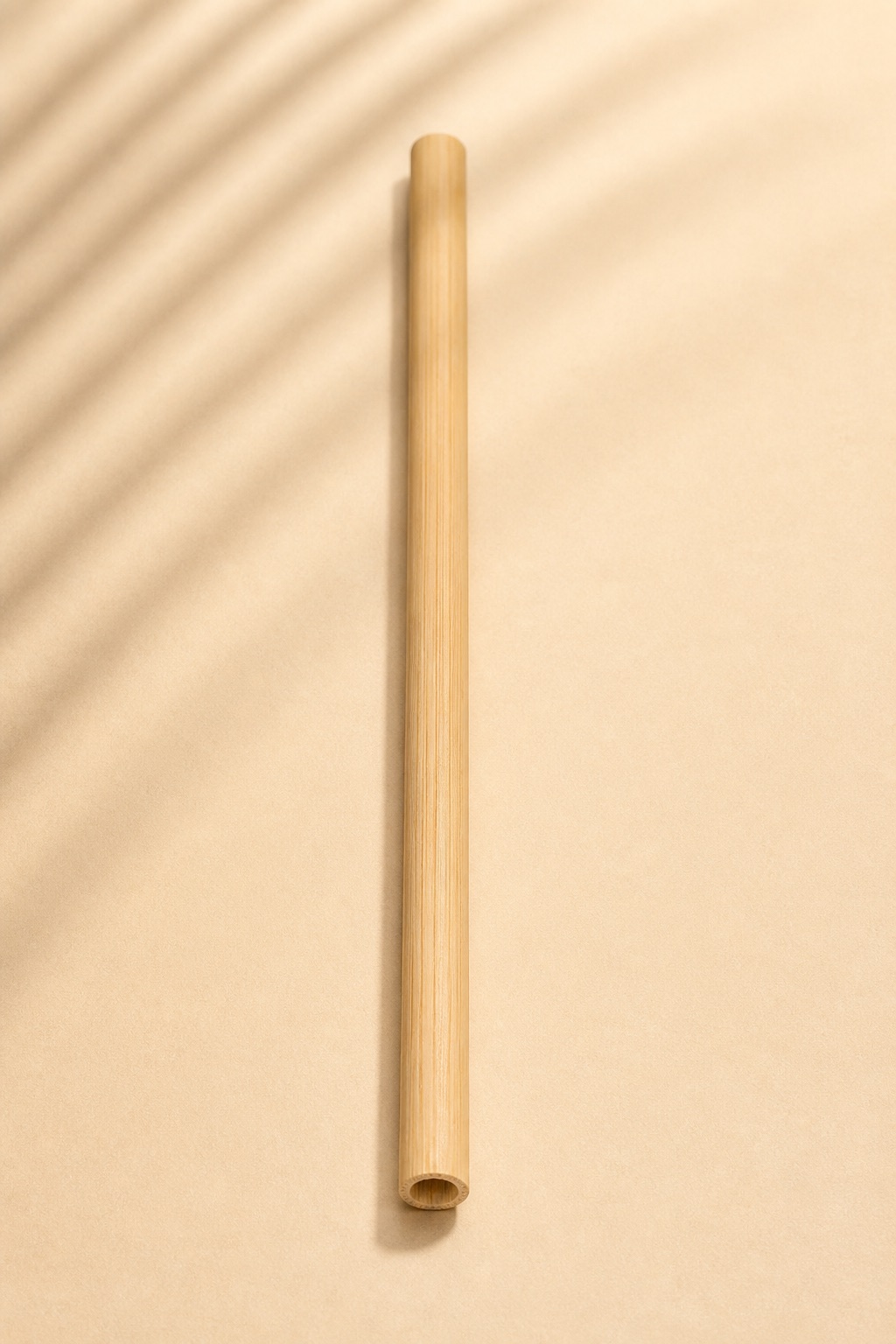
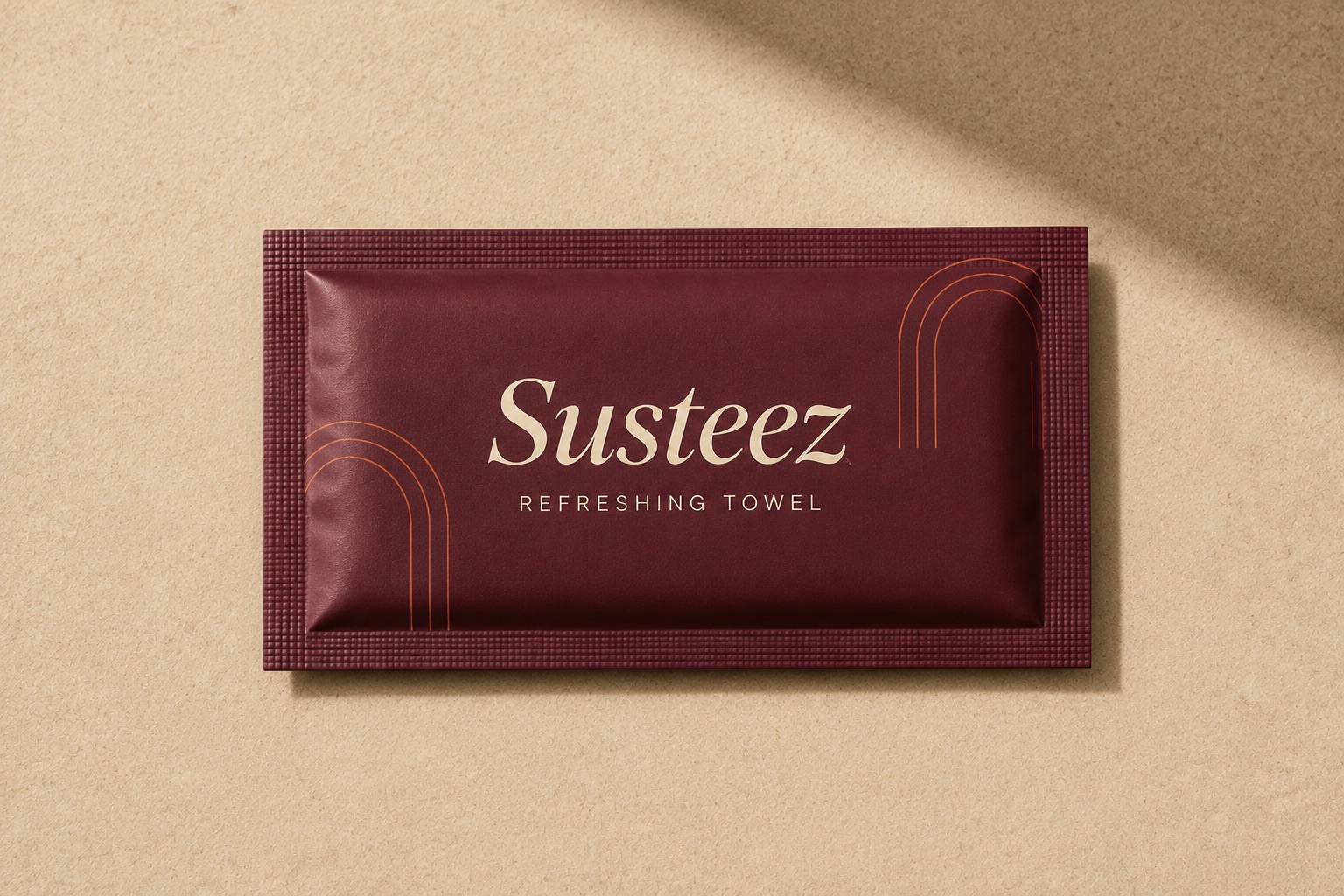
A sample request starts by naming the products you want to see. The samples themselves are free; shipping is on the receiver, or on the receiver's own carrier account. What arrives are unprinted standard items — seeing your own logo printed is a separate step, and it runs as a proof.
Three steps
What a sample tells you
The hand of the paper, what a given gsm feels like, the difference ply makes, the surface of the wood and the rigidity of a straw. None of this can be judged from a screen, and most decisions are made at this stage.
What it cannot tell you
How your logo will look on that substrate. An unprinted sample shows the material, not the print. With kraft stock and a light-coloured logo in particular, judging from a plain sample can mislead.
Why shipping sits with the receiver
A sample box is low in value and high in volume, and internationally the transport can cost more than the goods. Using the receiver's own carrier account is usually the cheapest route; where there is no account, it goes freight collect.
How long it takes
Preparation is quick; shipping sets the pace. A few days domestically, longer internationally once customs is included. That time belongs in the calendar between request and order.
Frequently asked
- How many samples can I ask for?
- As many as it takes to decide. If you are comparing, asking for the same product in two weights is the most useful thing you can do.
- Does a sample commit me to anything?
- No. It is not binding; moving to an order is a separate step.
Last updated: 2026-09-13