HS codes, and where tableware sits
An HS code determines which customs category a product falls into. The first six digits are common worldwide; national systems extend them further. Duty rates, restrictions and documentary obligations all follow from the code, so a misclassification produces both delay and additional cost.
How the code is built
Starting points for tableware
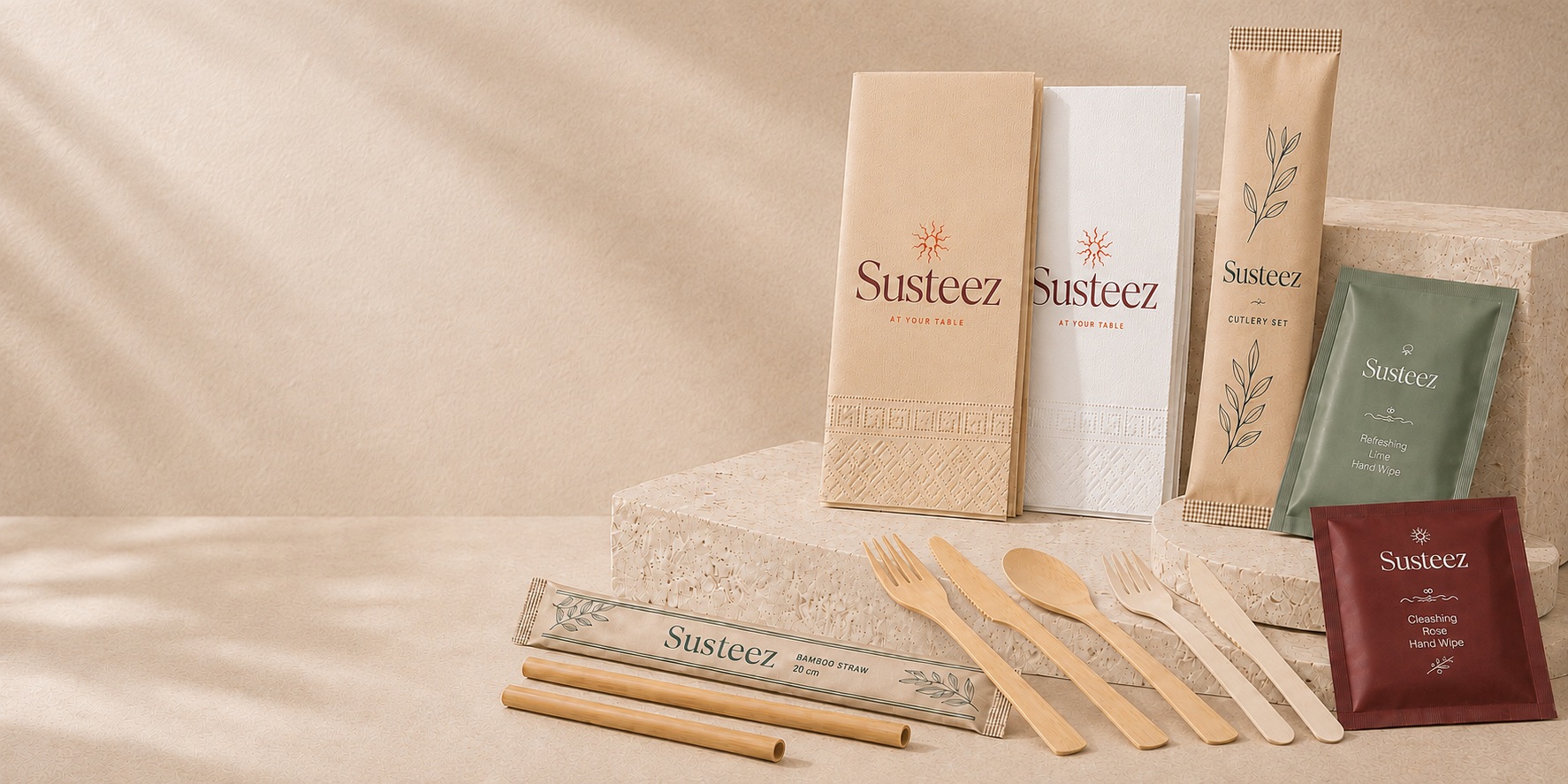
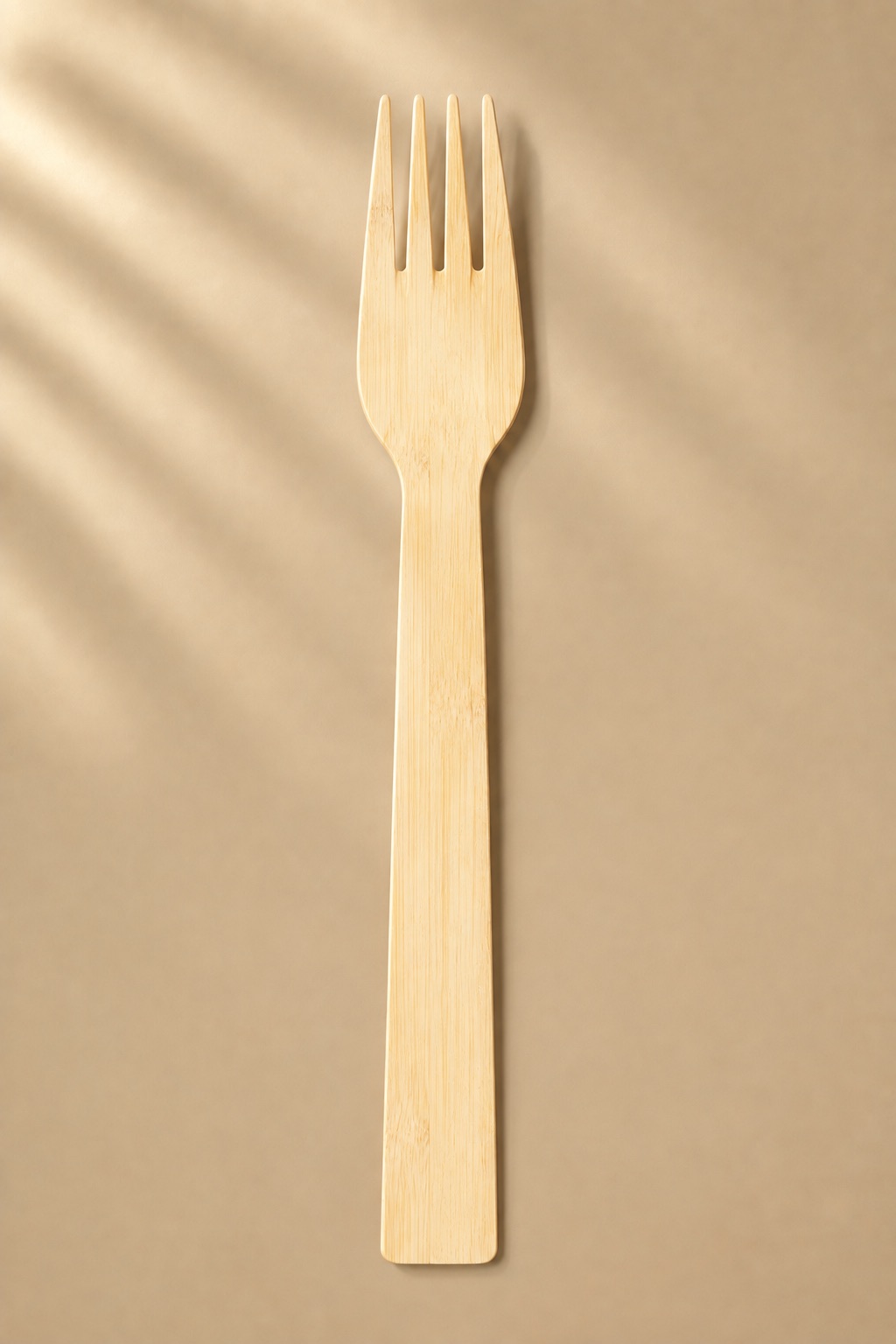
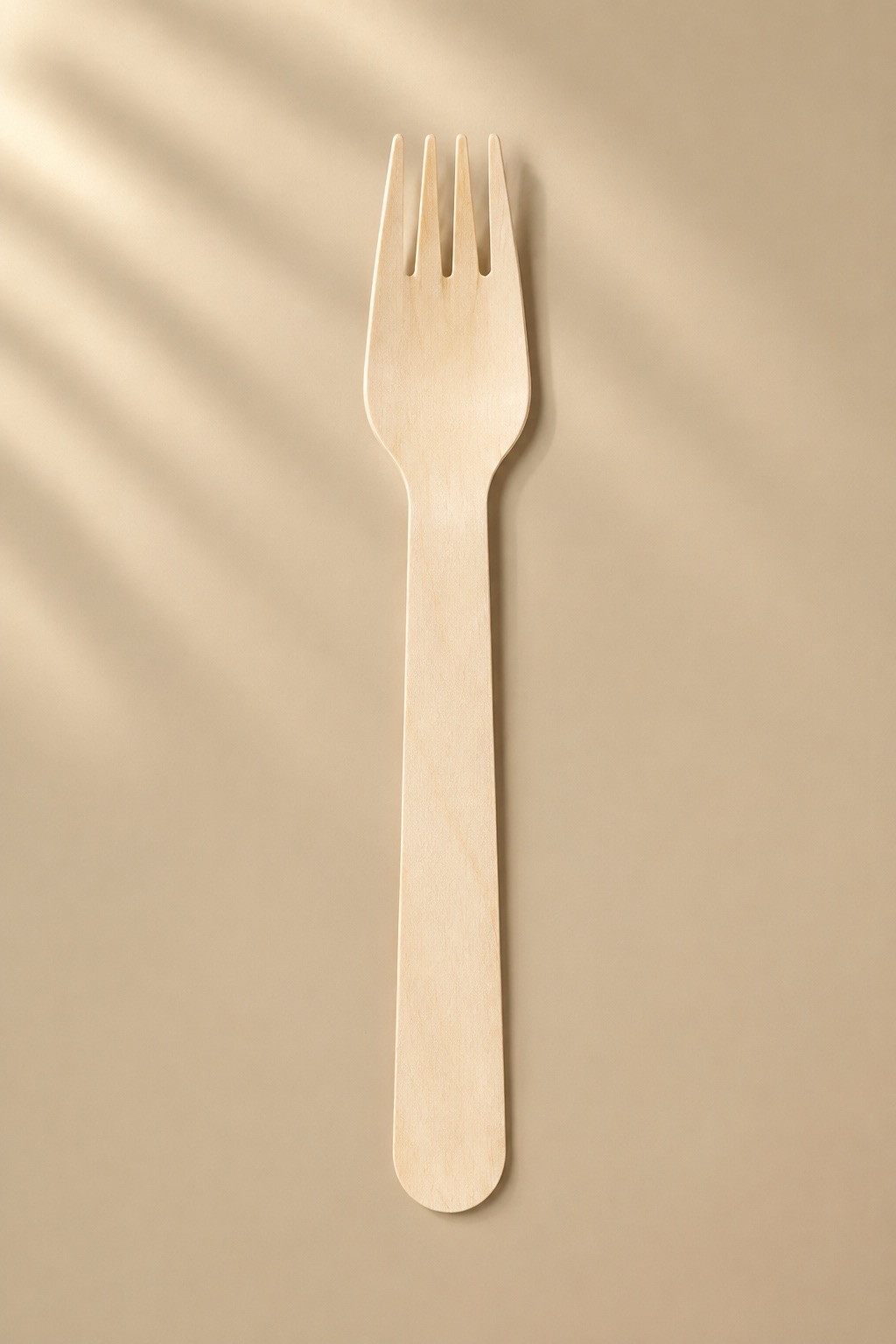
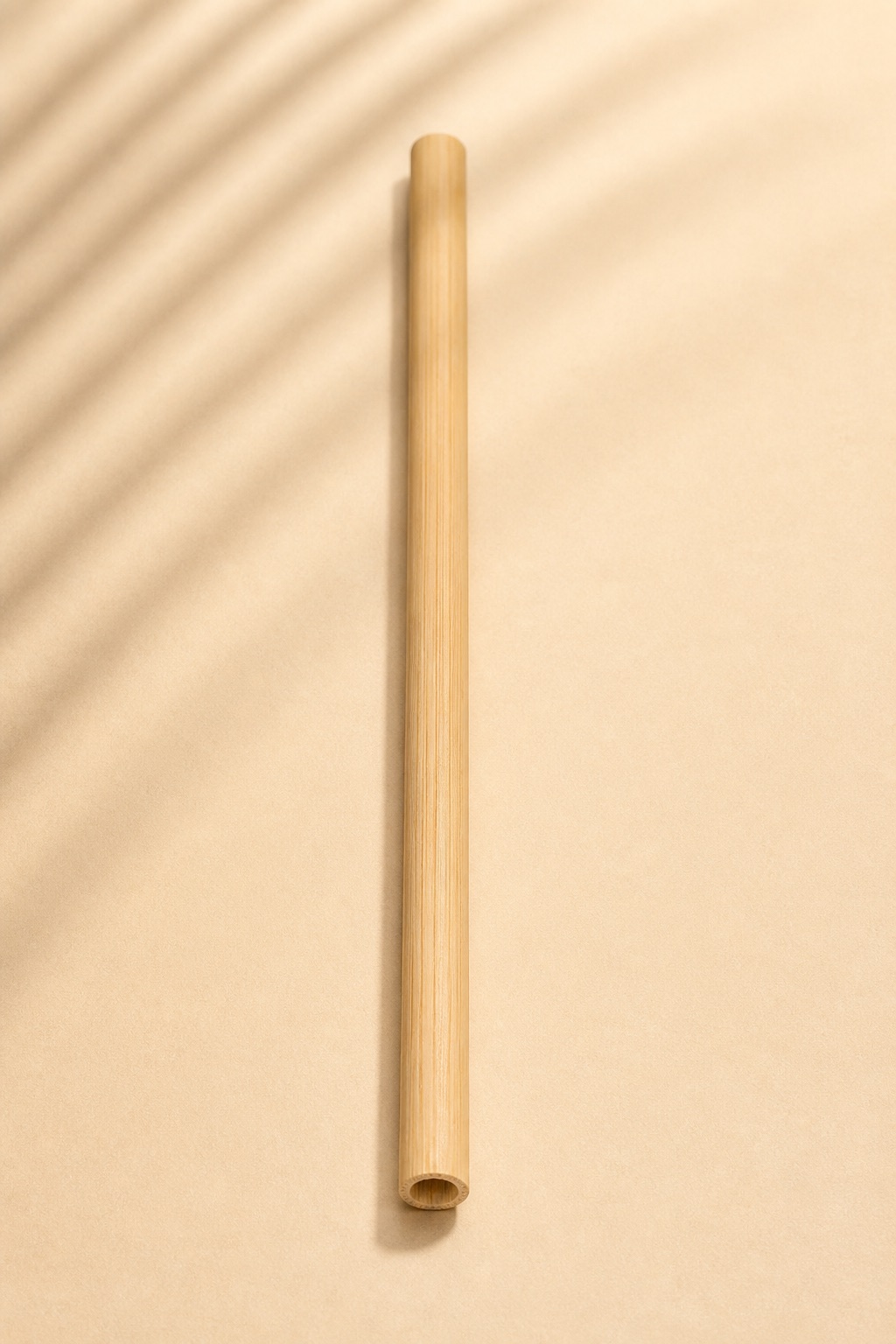
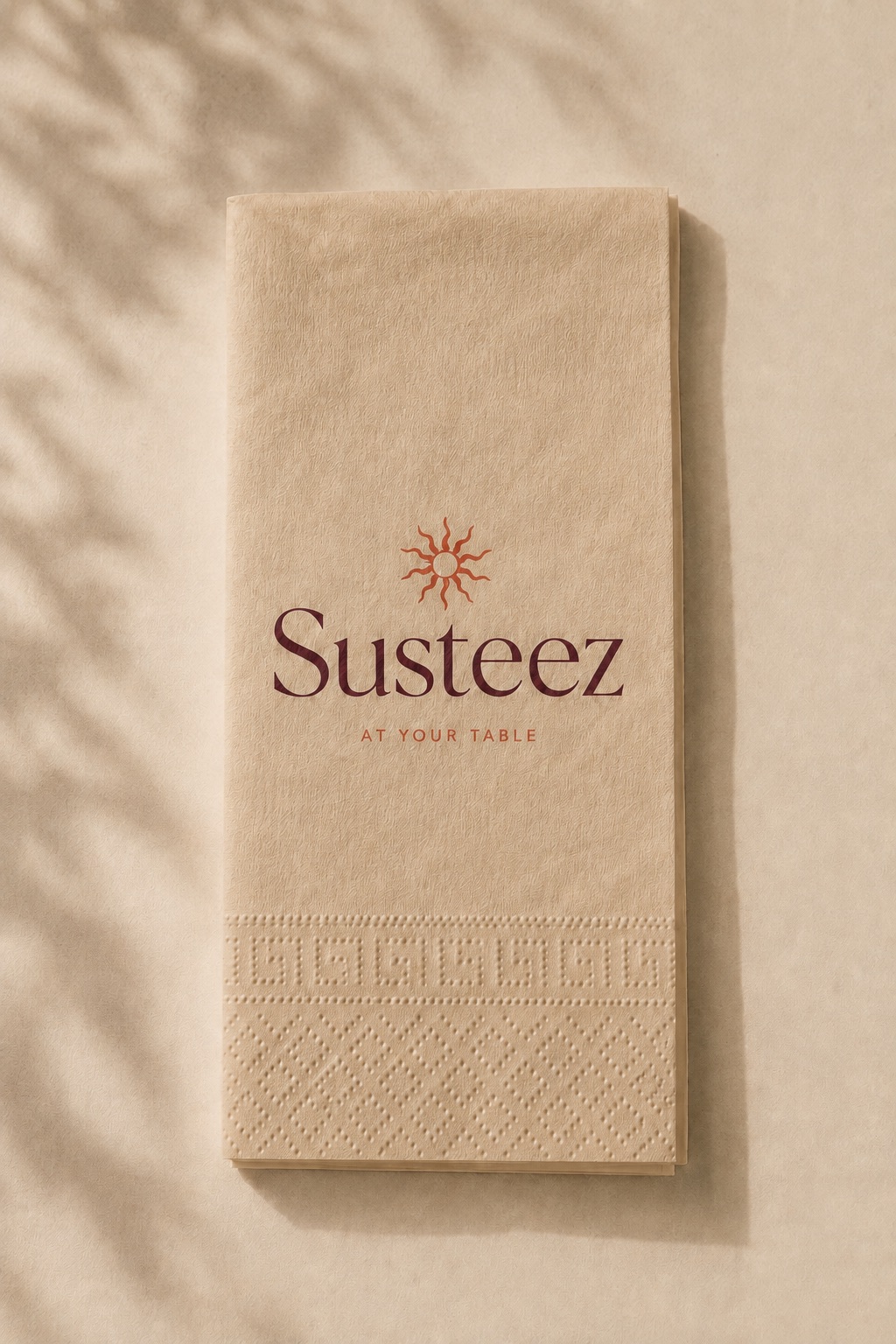
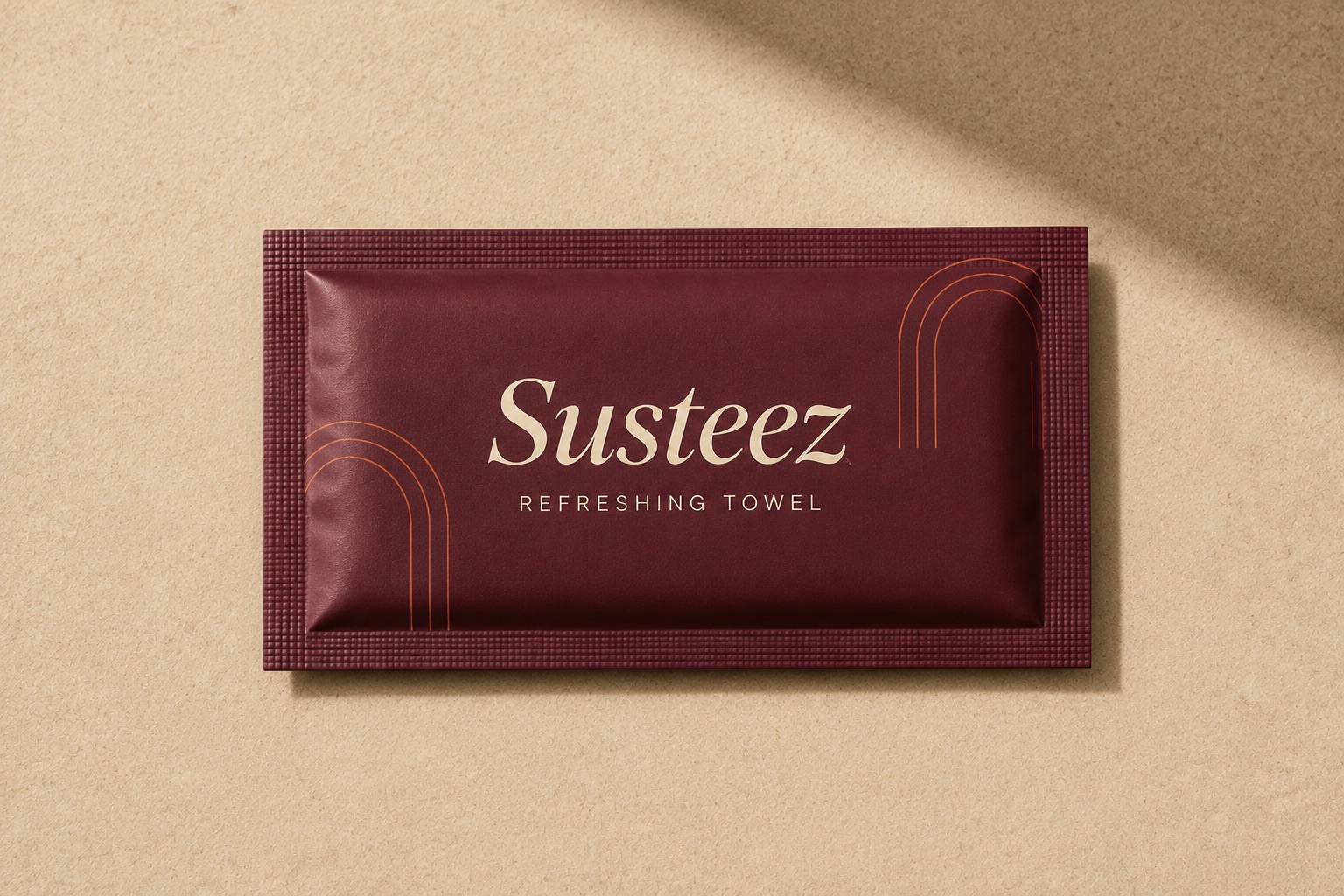
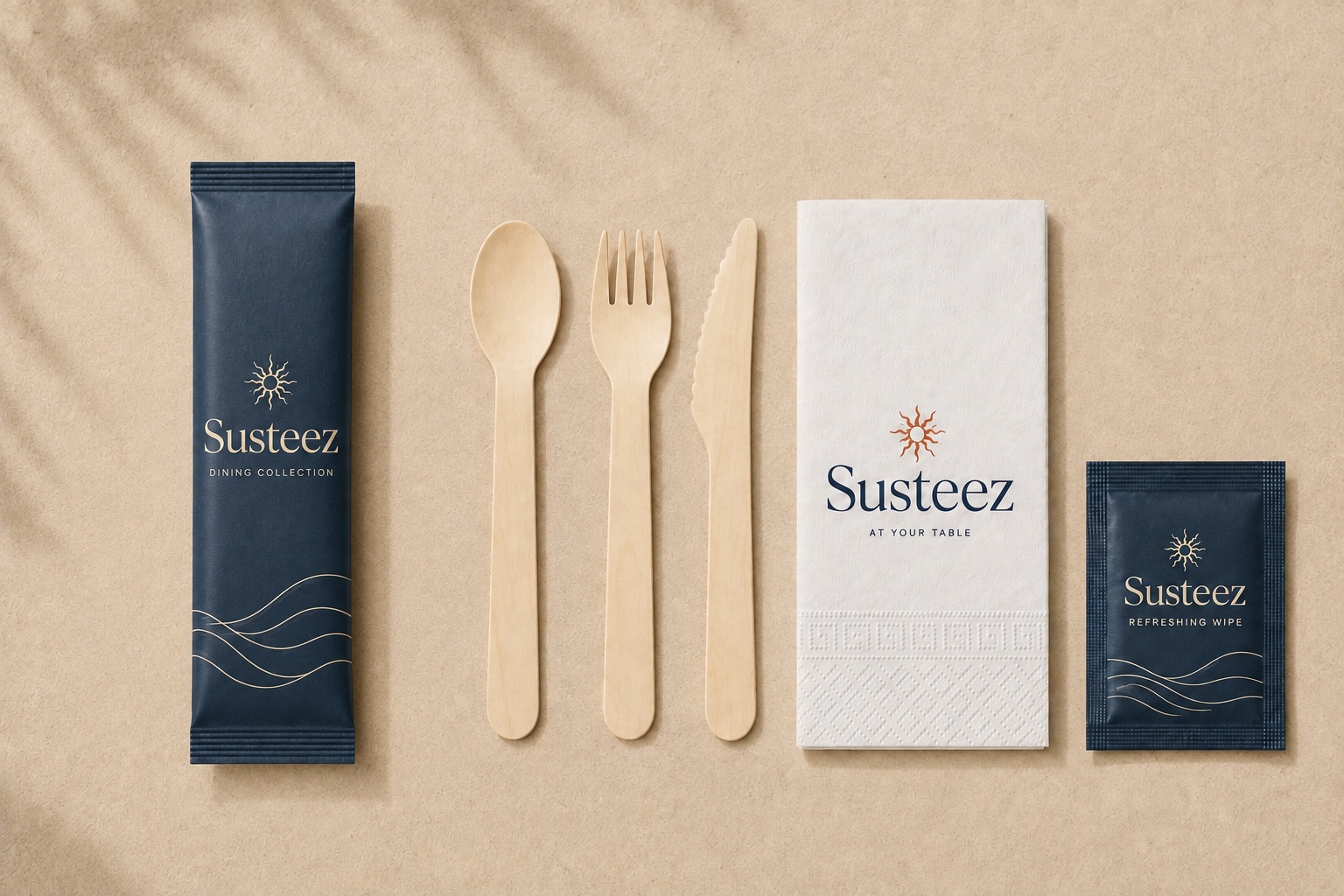
Wooden and bamboo tableware is generally considered under heading 4419; paper napkins and table linen sit under 4818. Moist towelettes vary with composition: an item impregnated with soap or detergent does not land in the same place as one treated as a cosmetic. These are starting points, not final answers.
Why the broker makes the call
Classification turns on composition, intended use and sometimes packaging format. The same item can attract two readings, and the binding view is that of the customs authority in the destination country. For large, repeating shipments, binding tariff information removes the uncertainty.
What the code drives
- Import duty and any additional fiscal charges
- Whether proof of origin is required and preferential rates apply
- Timber-related declaration obligations on wooden goods
- Quotas, licences and restrictions
Consistency across documents
Invoice, packing list and declaration must all show the same code. A mismatch between documents is itself a reason for goods to be held, even when nothing is wrong with the goods.
Frequently asked
- Can the same product carry different codes in two countries?
- The first six digits are shared, so the main classification holds. National detail digits can differ.
- Does the supplier set the code?
- The supplier provides composition and a suggested code, but the importer makes the declaration and carries the responsibility.
Last updated: 2026-09-13