






GTIN and EAN, and why distributors insist on them
A GTIN uniquely identifies a product worldwide; it is the number printed under a barcode. EAN is its thirteen-digit European form. The number is issued through GS1 membership and a manufacturer's own invented code cannot stand in for it. Major distributors will not create a product record without one.
An SKU is not a GTIN
Why an invented number fails
The value of a GTIN lies in uniqueness. It is built on a company prefix allocated by GS1; a number without that prefix can collide with another company's product. Retail and distribution systems therefore validate the number at source.
Where it is mandatory
Large foodservice distributors and retail chains require a GTIN to open a product record. Without one the product cannot be listed — a system requirement rather than a preference. Corporate procurement forms increasingly ask for it too.
Cases and pallets get their own
Consumer pack, case and pallet count as separate trade items, each with its own number. If ordering happens by the case, the case number is the one actually needed.
Where Susteez stands
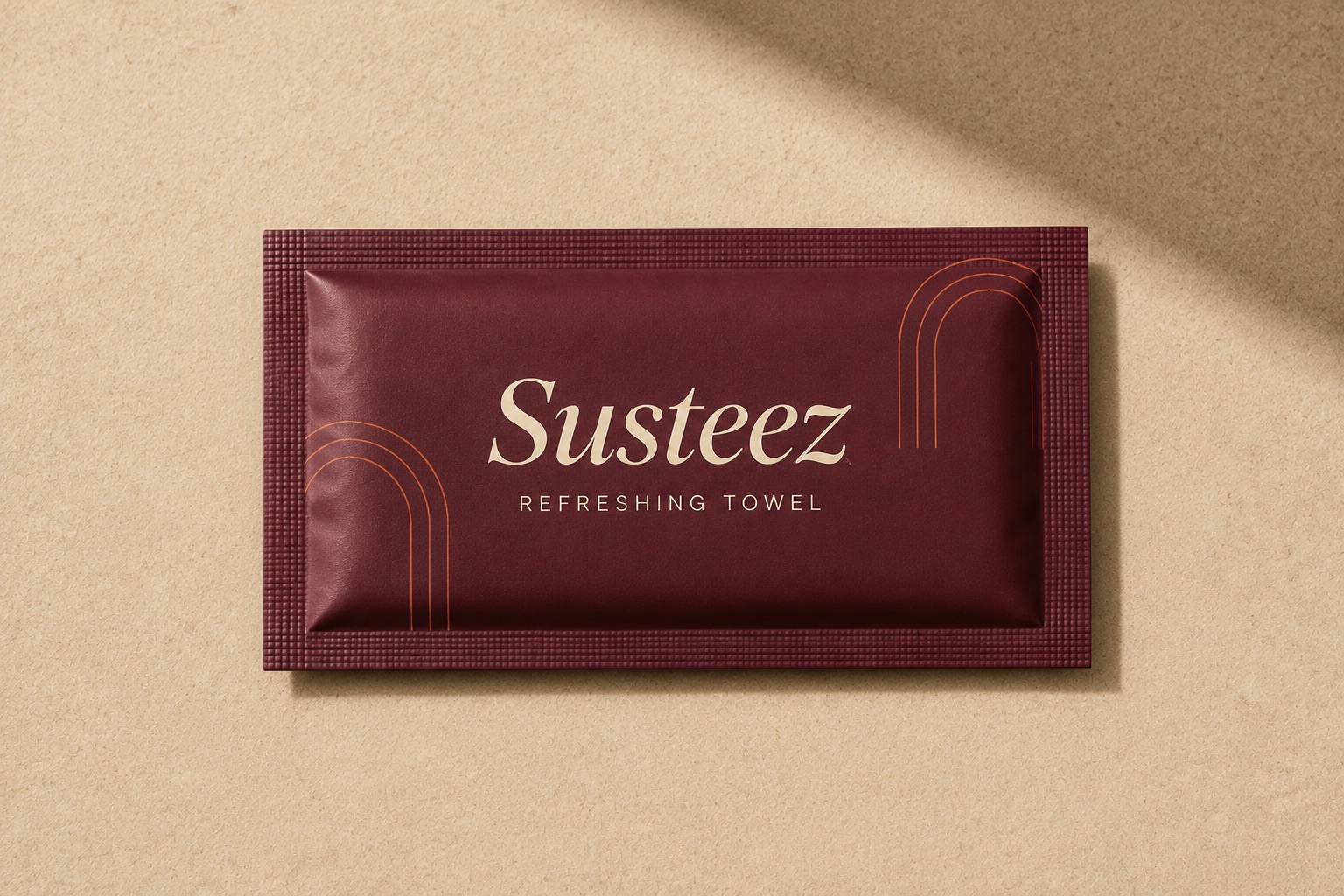
The SKU scheme is in place and held in the technical data. The GTIN field is deliberately left empty: no invented number is entered, and the field will be filled with a real one once GS1 membership is complete.
Frequently asked
- Does every variant need its own GTIN?
- Yes. A change of size, colour or count makes it a separate trade item requiring a separate number.
- Is a GTIN the same as a barcode?
- The barcode is the machine-readable representation. The number is the GTIN; the bars are how it is printed.
Last updated: 2026-09-13