Gelato shop: the spoon, the napkin and the print decision
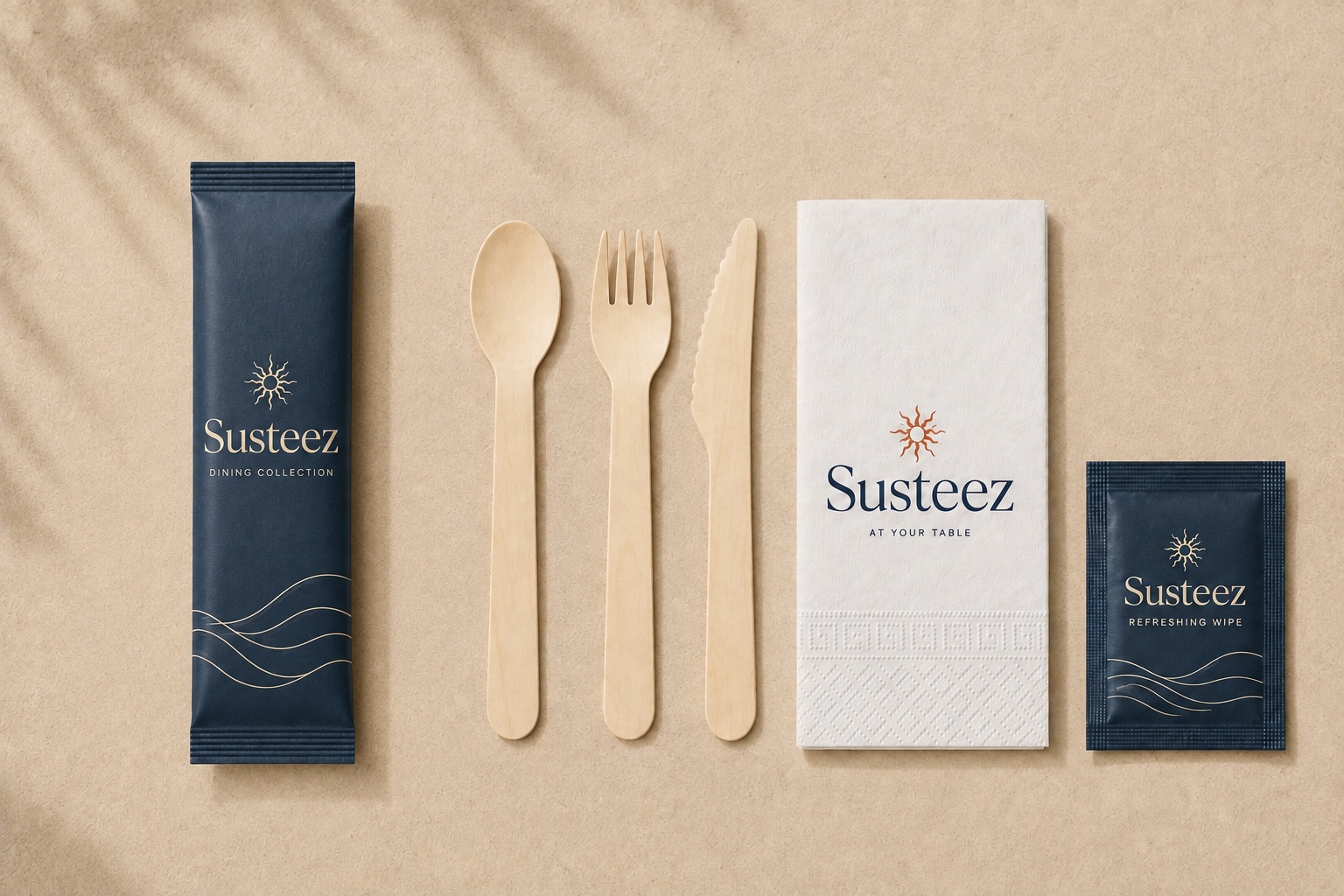
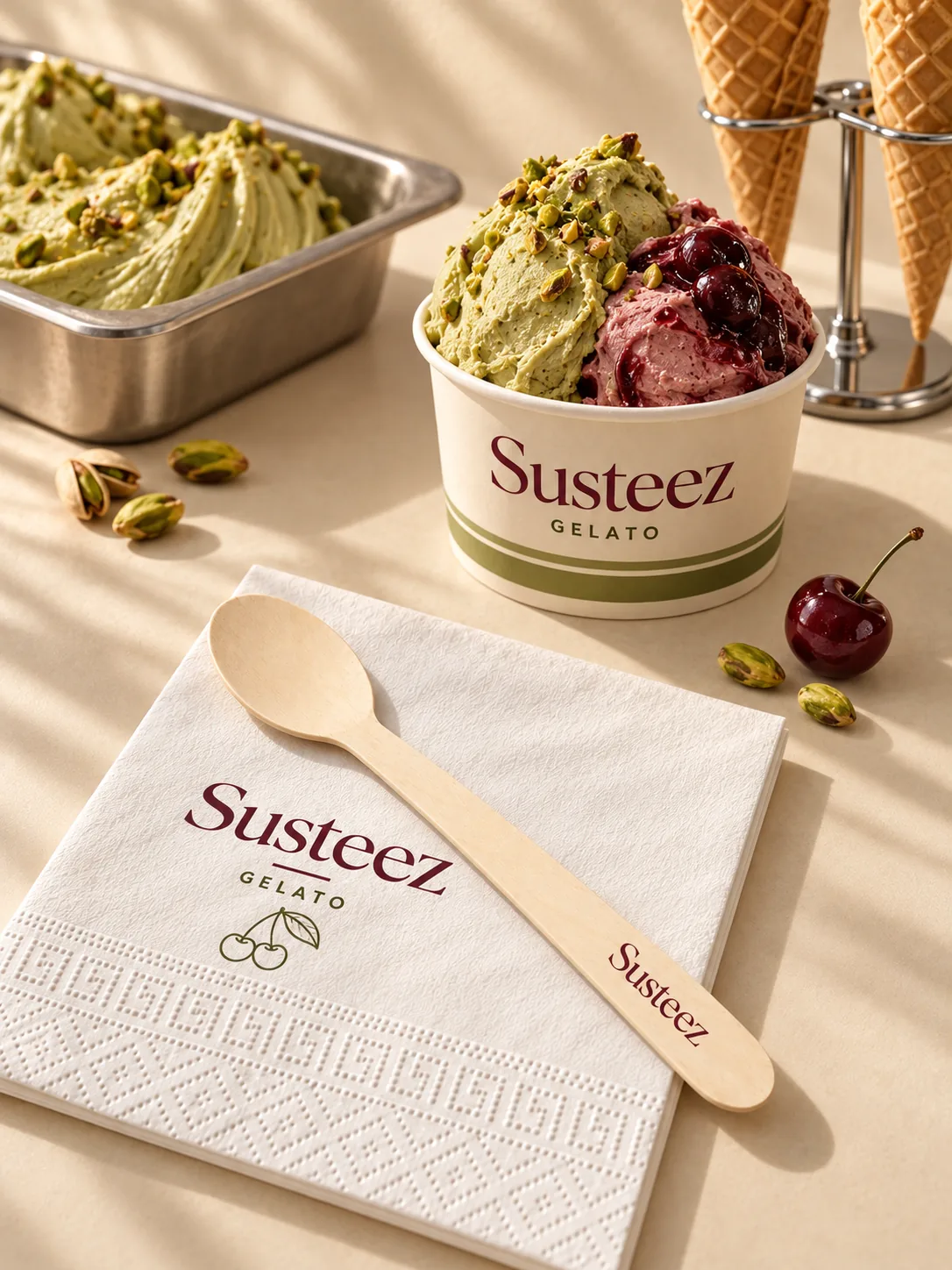
Three things drive the print decision in a gelato shop: the spoon touches food and goes in the mouth, the product melts in the hand, and it is usually eaten standing up. The print stays on the handle and the bowl of the spoon is left bare; the napkin is chosen with the spoon, not separately.
Gelato is not eaten at a table
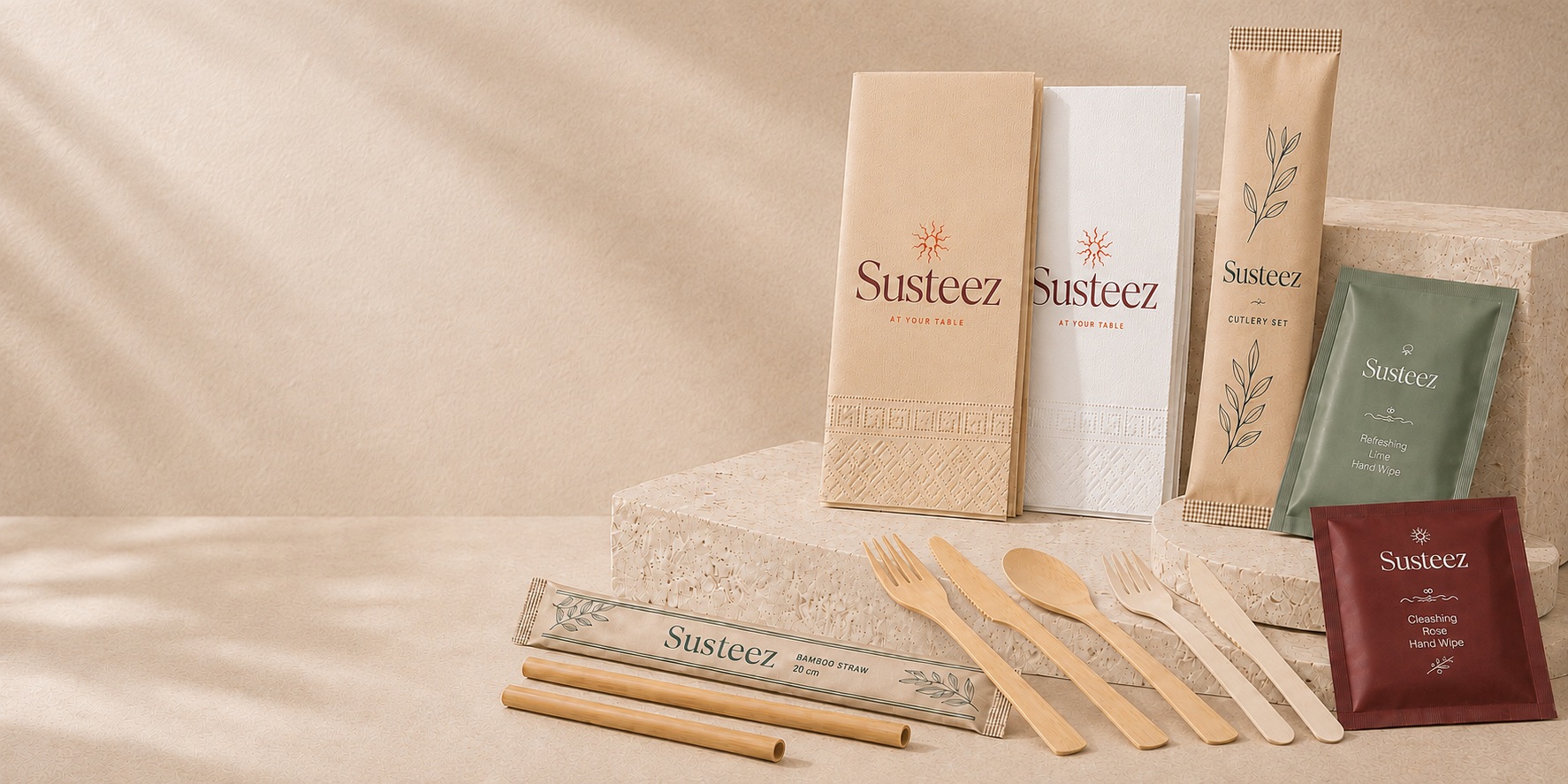
No plate, no fork, often no seat. The customer is left holding three things: the cup, the spoon and the napkin. Those are the only surfaces a gelato shop's brand physically touches that day. In a restaurant a custom napkin is part of the service; here it is the service.
The spoon is the only item that goes in the mouth
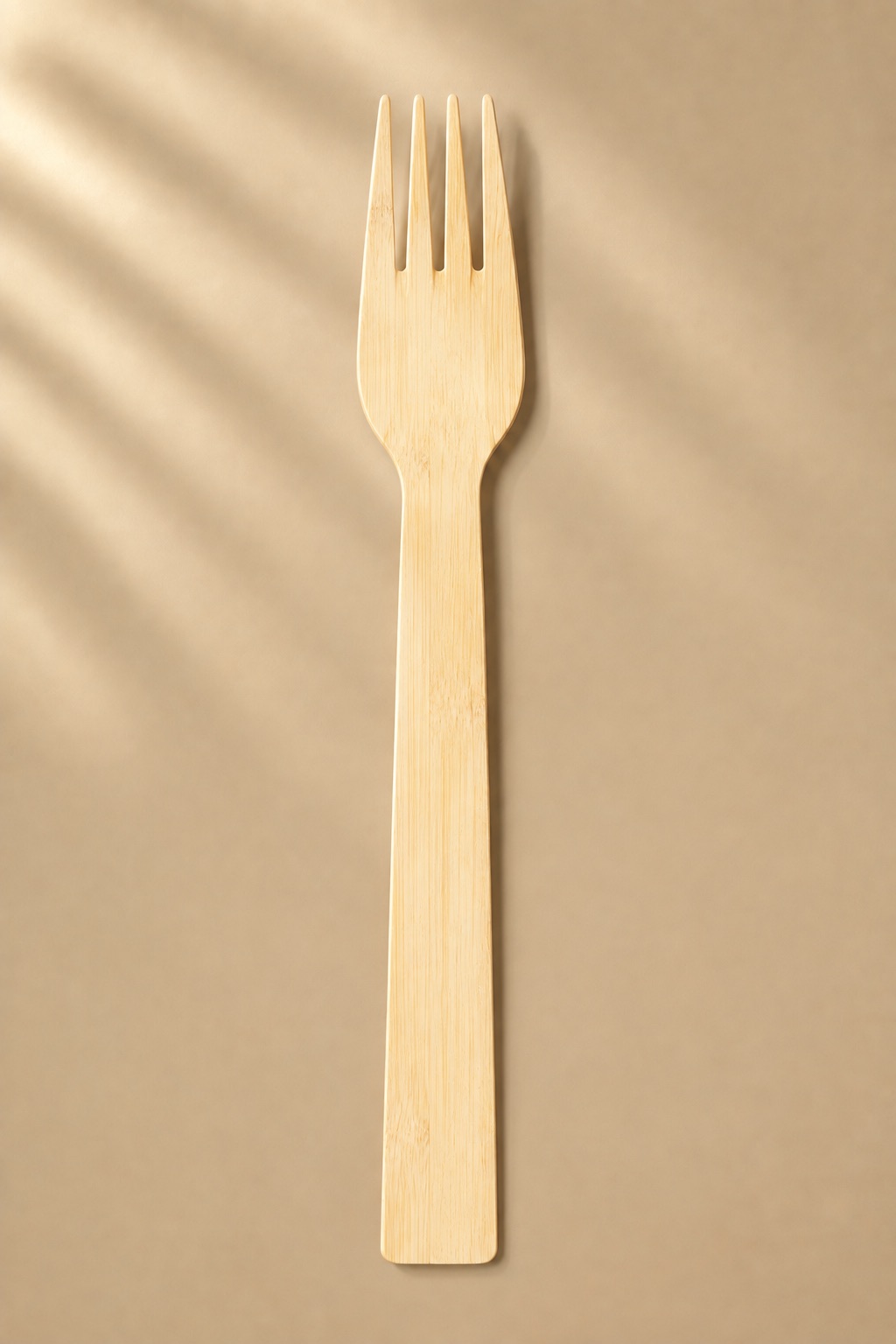
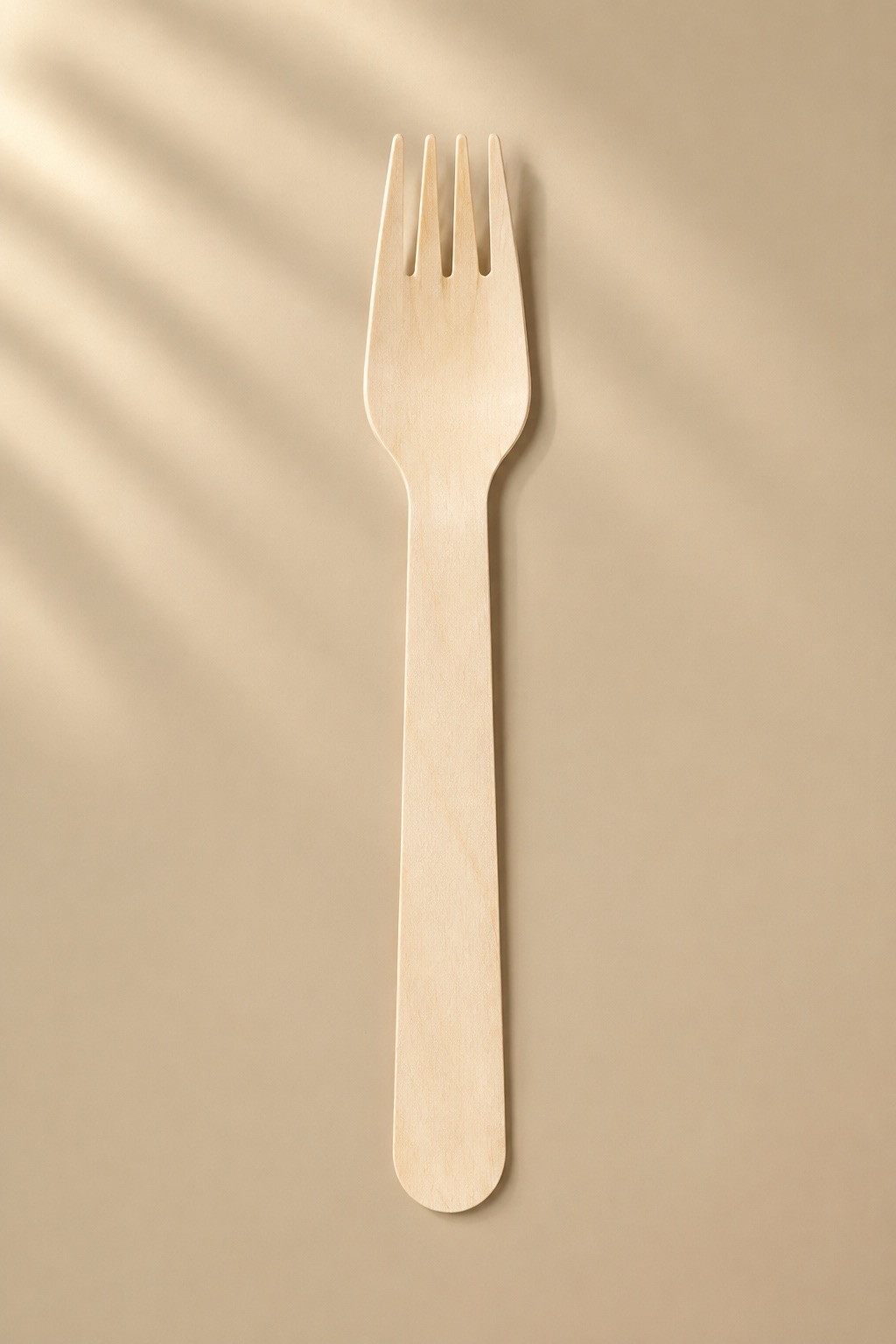
The print stays on the handle and the bowl is left bare. That is a food-contact decision, not a styling one. Birch has a neutral taste of its own, so it does not carry into the gelato; the handle is pad printed, and once cured the mark sits on the part the customer grips.
As the case closes, the print moves forward
Artisan gelato has been moving for years from open mounded display to covered steel wells. The wells hold a stable temperature and keep air off the product — but at the moment of purchase the customer cannot SEE what they are buying. What gets looked at instead is the counter, the cup, the spoon and the napkin. Closing the lid pushes the print straight to the front.
What you pick, and why
The plastic cutlery ban hits gelato directly
France banned plastic cutlery on 1 January 2021, ahead of the EU directive, and being compostable buys no exemption there. Italy wrote its own exemption: single-use items certified to UNI EN 13432 or 14995, with renewable content above the threshold, sit outside the ban. The Commission has challenged that exemption, so it cannot be treated as settled ground. The result is concrete — an Italian gelateria and a French shop do not reach the same decision about the same spoon.
France draws a second line
Since 1 January 2023, venues with more than twenty seats must serve dine-in consumption in reusable containers, and that rule looks at single use rather than material — a compostable spoon is inside its scope. Grab-and-go, takeaway and delivery are outside it. Because most gelato leaves the counter, most shops fall outside the rule; a shop that adds seating changes its own answer.
The real constraint for a single-site shop
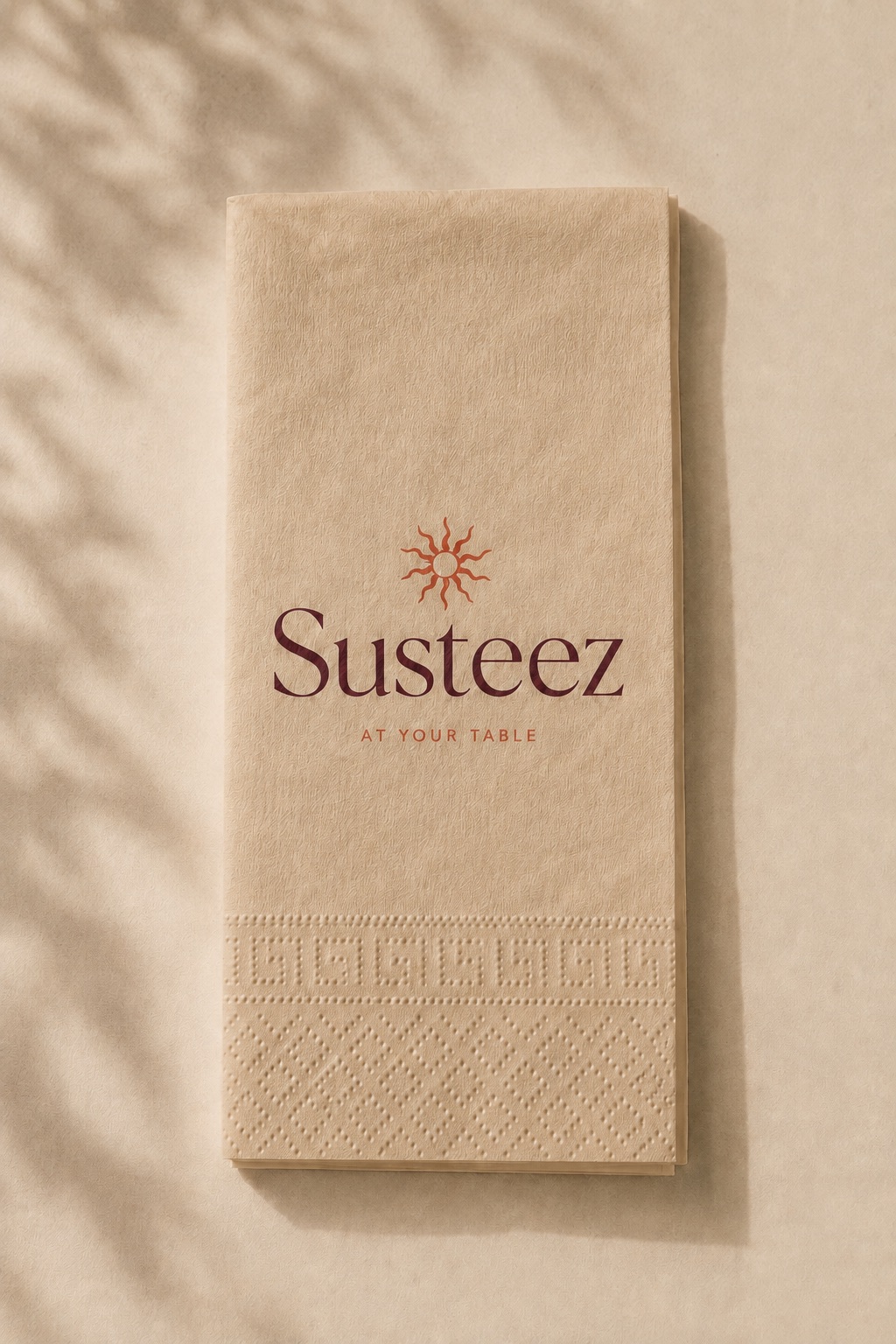
The minimum order on printed napkins comes from the minimum of the print line, not from a sales decision, and for a single-site gelato shop it stays high. Spoons and kits start far lower. In practice the order is usually: printed spoons first, then the kit, and napkins once there is a second site or a seasonal stock plan. Current quantities are on the product cards below.
The colour decision
A gelato case, or the labels on top of the wells, is already full of colour. Keeping the print to one colour is how it avoids competing with the product; embossing does the same job without using colour at all. Two-colour print moves attention from the product to the packaging.
Products
Start with whichever one you want to continue with.
Frequently asked
- Can the bowl of the spoon be printed?
- No. The print stays on the handle and the bowl is left as untreated wood.
- Why is the napkin minimum higher than the spoon minimum?
- The napkin minimum comes from the print line itself, not from a commercial rule. Spoons and kits start from far lower quantities; the current figures are on each product page.
- Is compostable cutlery exempt from the ban in Italy?
- Italy wrote that exemption into its own law and tied it to certification and a renewable-content threshold. The European Commission has challenged it, so it is not settled ground. France has no such exemption at all.
- Can embossing and printing be used on the same napkin?
- Yes. Embossing carries texture and printing carries colour; both can sit on one napkin.
Last updated: 2026-09-15