
Hospital canteen: patient, companion and staff in one building
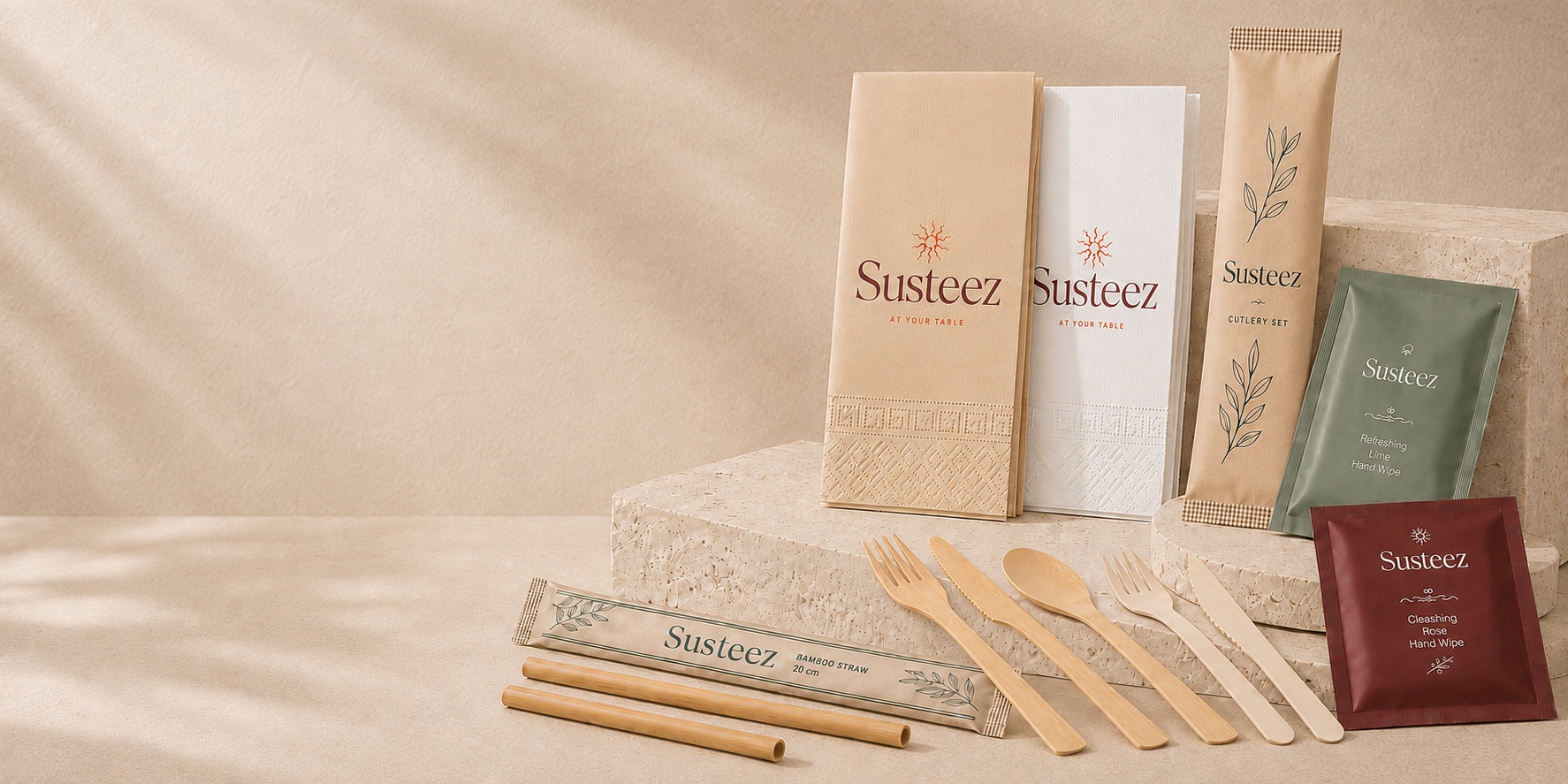
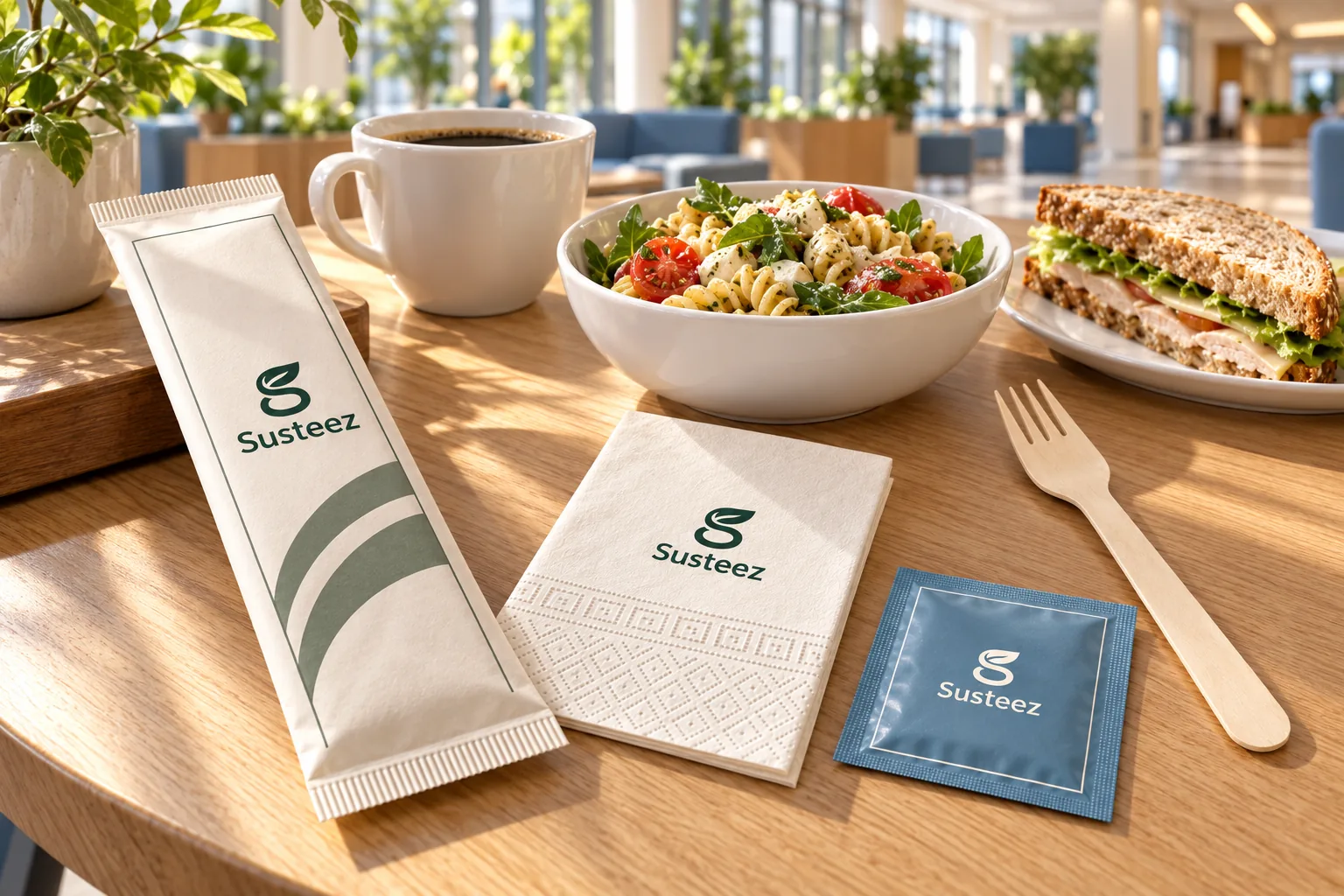
A health facility holds three separate populations and their consumption profiles do not resemble each other. The staff canteen runs on volume and economy, patient hospitality sits on the representation side, and the companion is the one who stays all day and uses the most wipes. Buying usually runs through a specification.
Three populations, three curves
The companion stays longest
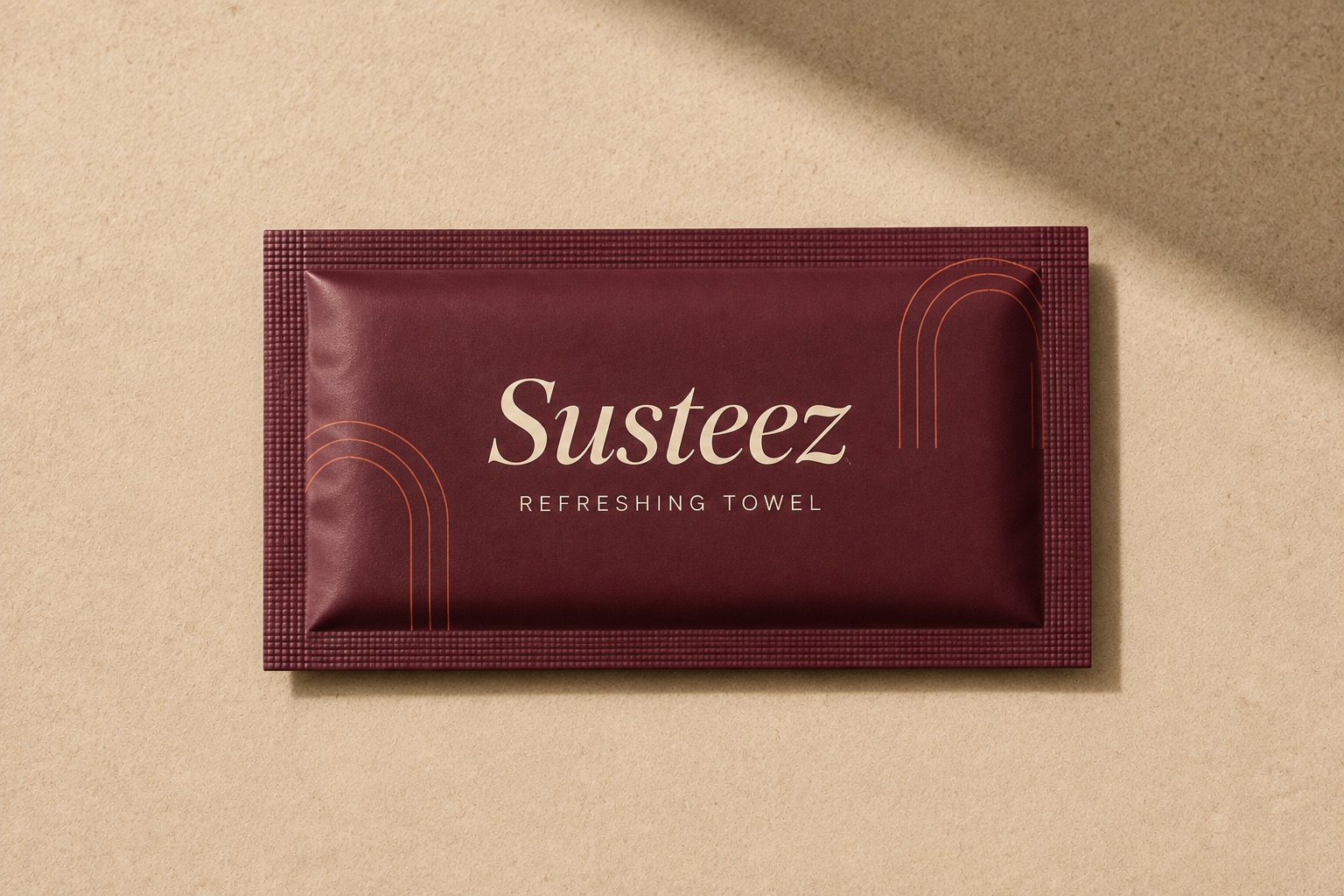
The person staying with a patient is on site all day and often overnight, without a routine of their own. This is where wet wipe consumption concentrates, and the size follows: 6×10 is common.
Scent sensitivity is a real constraint
Tolerance for fragrance is low in a health setting, so the choice is a constraint rather than a preference. Alcohol-free lotion is produced as a separate option, and the choice between alcohol and alcohol-free is made at order time.
The staff canteen is usually unprinted
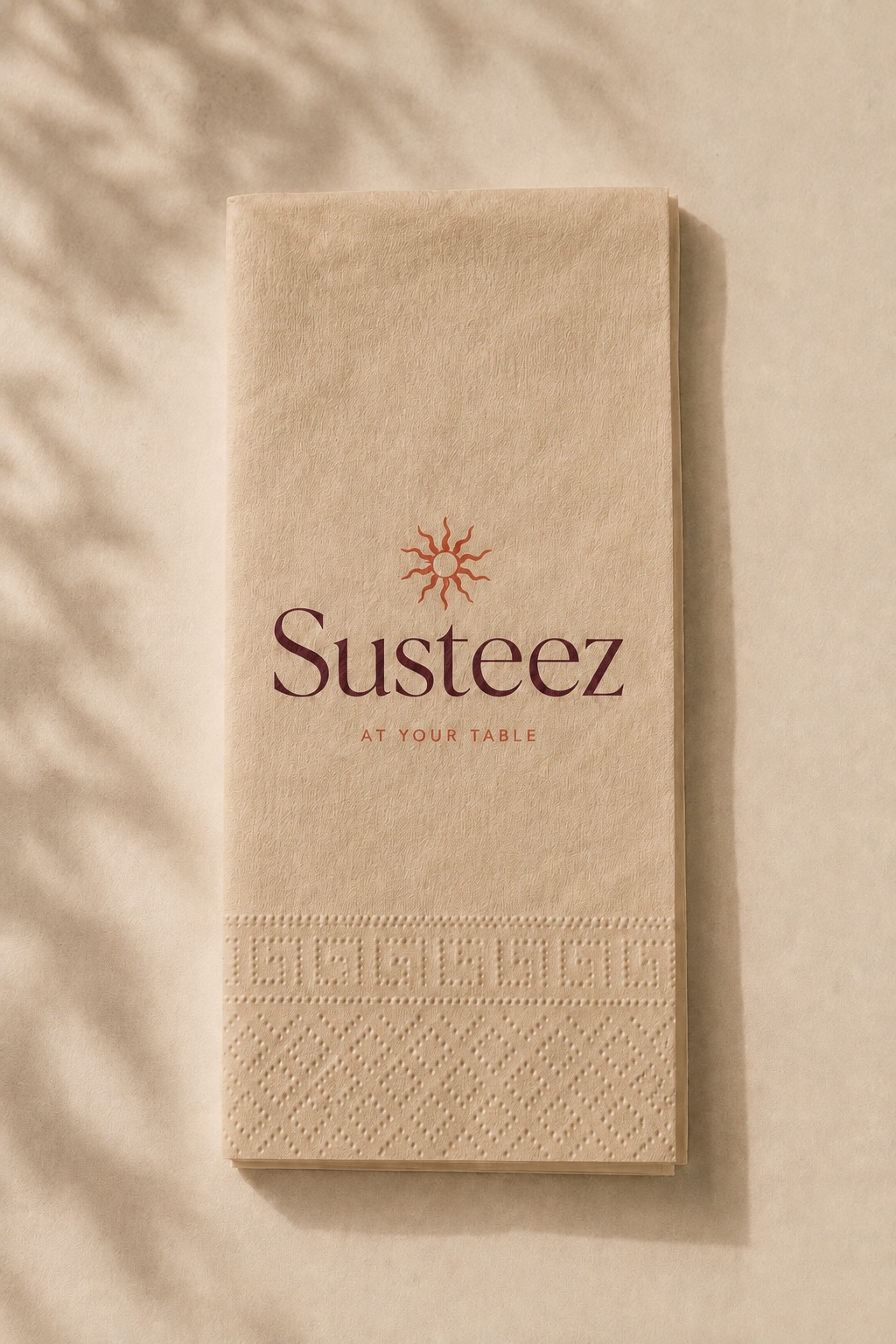
Where a canteen serves a high number of covers a day, cost per head decides. Unprinted kraft is common on that side; print comes in at the points where the institution speaks for itself — meetings, briefings, corporate hospitality.
The specification comes before the brand
In tender and procurement processes the decision-maker does not see the product, they read the file. Food-contact compliance and compostability documents are requested before the order; we hold these and share them.
Products
Start with whichever one you want to continue with.
Frequently asked
- Are your wipes a disinfectant?
- No. The product is a refreshing wet wipe and makes no disinfectant or antibacterial claim. A choice between alcohol and alcohol-free lotion is available.
- Does the staff canteen need printing?
- In most institutions it does not. Unprinted kraft lowers the cost per head; print is used on the corporate hospitality and briefing side.
- Which documents are supplied for a tender?
- We share food-contact compliance and compostability documents before the order.
Last updated: 2026-10-12