
Pad printing, and the surfaces it works on
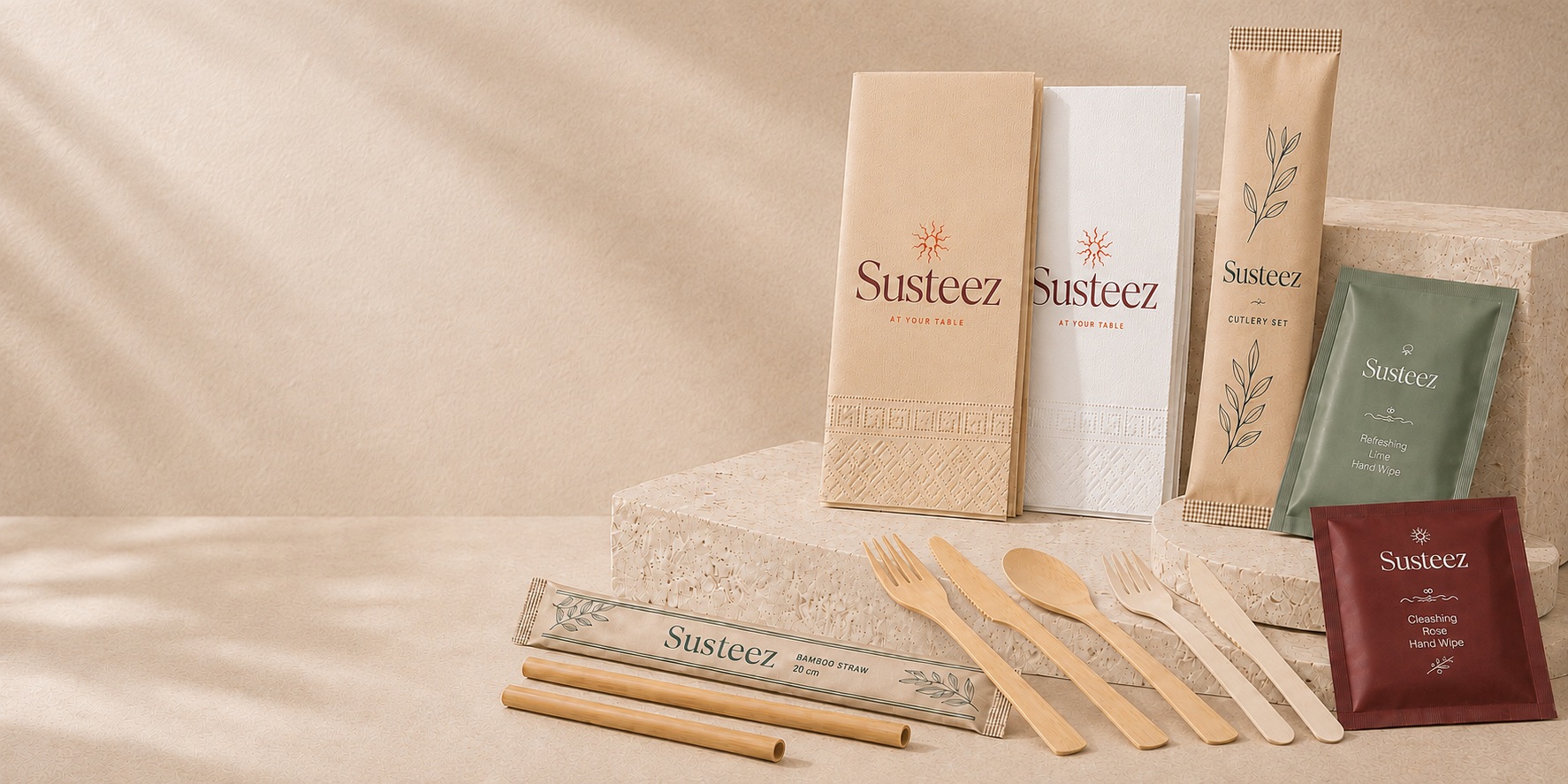
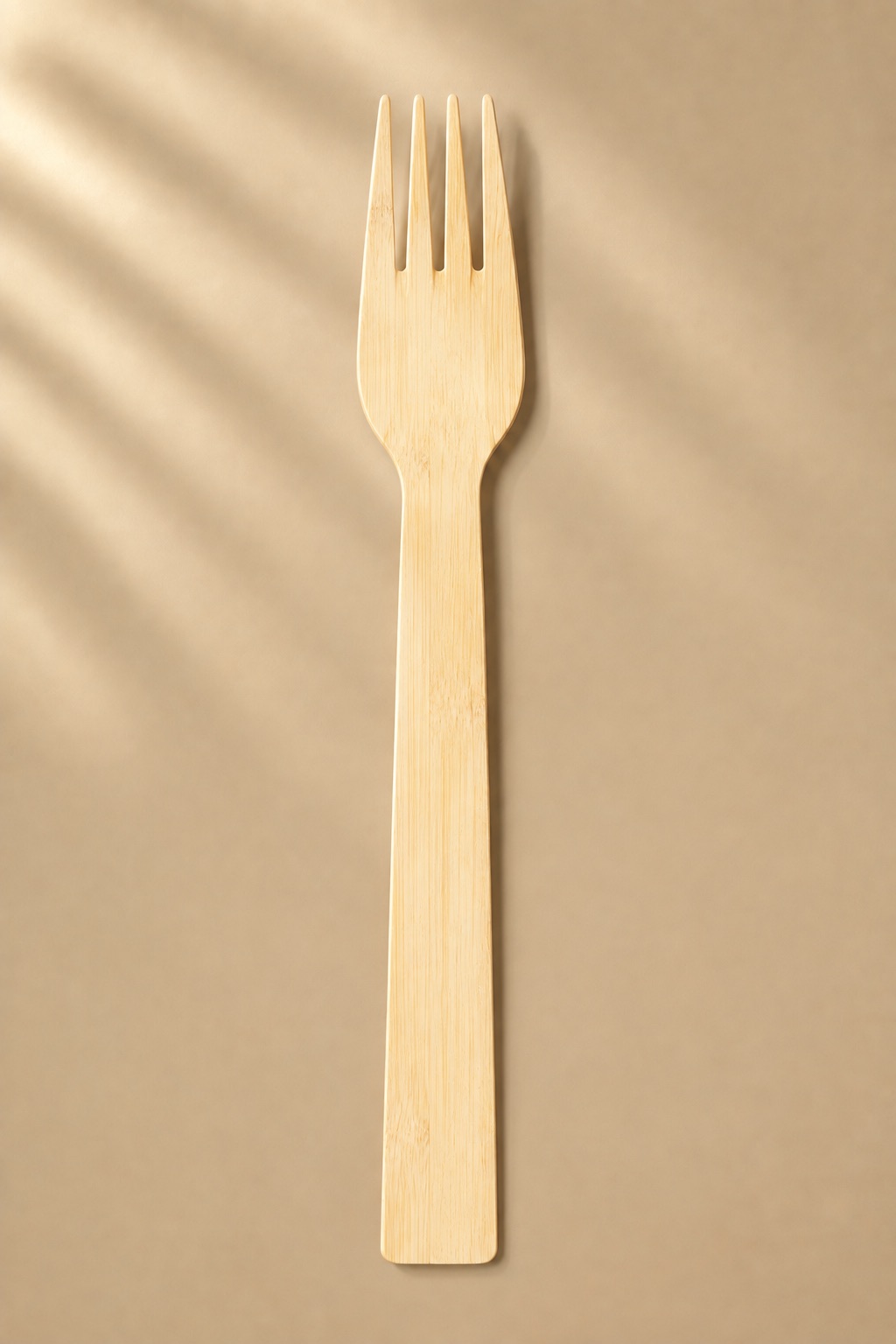
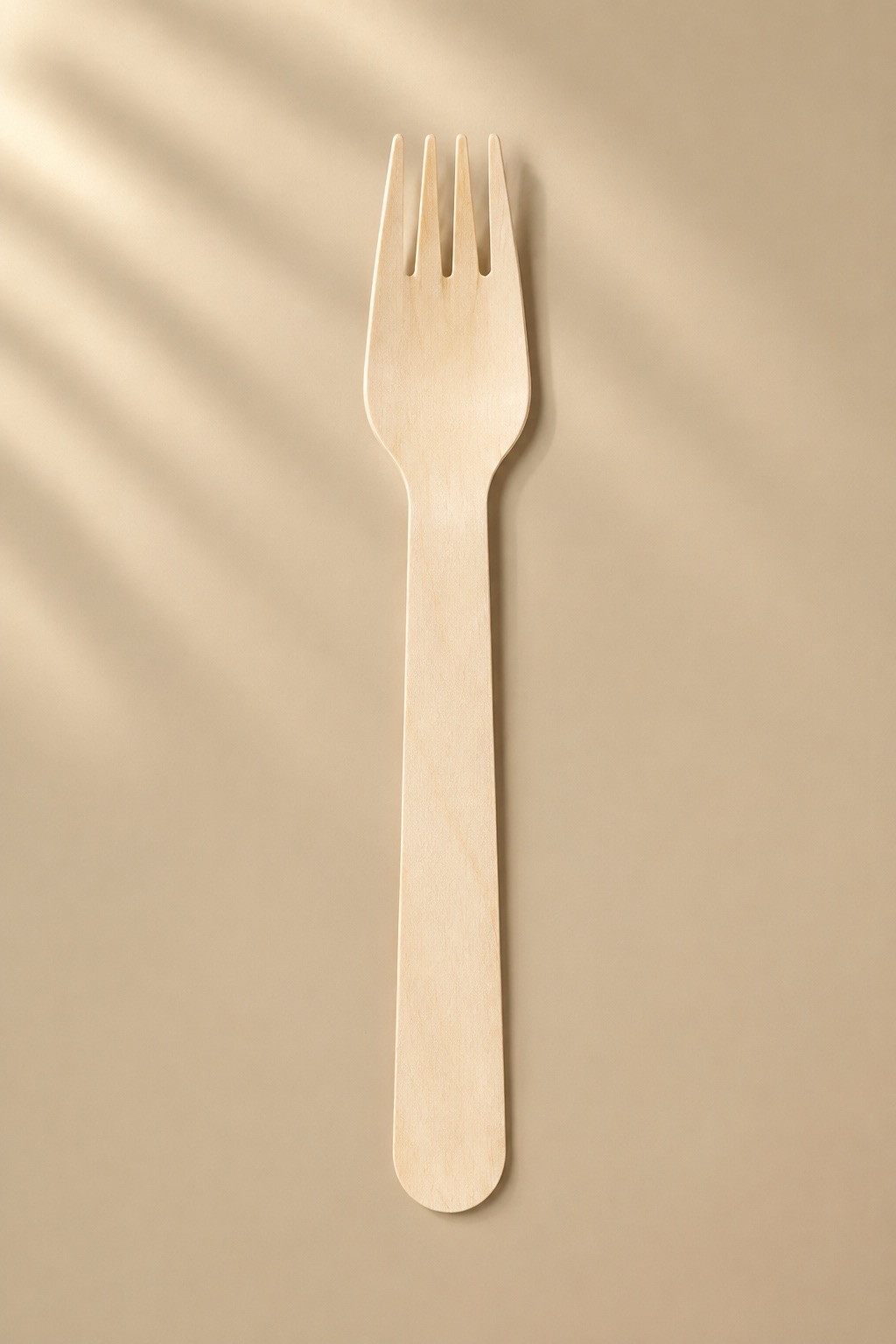
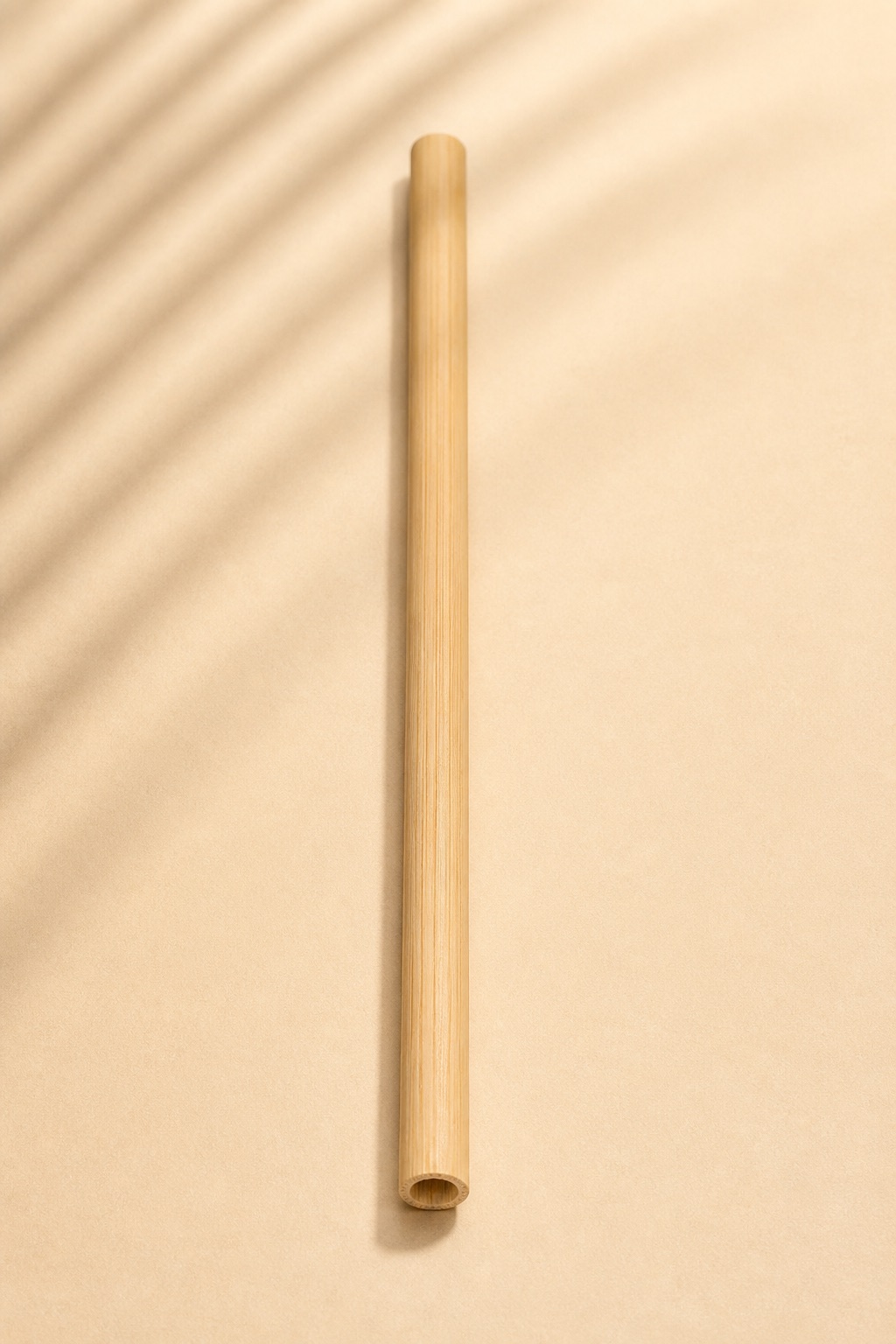
Pad printing lifts ink from an etched plate onto a silicone pad, which then transfers it to the product. Because the silicone deforms to the shape beneath it, the method prints on curved, uneven and narrow surfaces. That is why it is used on cutlery handles, spoon bowls and straws.
How the method works
The design is etched into a metal plate, the recess is flooded with ink and the excess scraped away. A silicone pad presses onto the plate, picks up the ink and lays it onto the product. The flexibility of the silicone is what allows a flat plate to print onto a curved surface.
Where it is the right choice
Its limits
The printable area is limited to where the pad makes contact — a defined window on the handle, not the whole length. It is also unsuited to photographic gradients; the method performs best in one colour, or a small number of separated colours.
Why the logo belongs on the handle
A logo on a sleeve goes into the bin as soon as service starts. A logo on the handle stays on the table for the length of the meal. The difference in visible time is substantial, and it is what justifies the difference in cost.
Ink matters
Products that touch the mouth are printed with food-contact compliant ink, and that is a requirement rather than a preference. Asking a supplier for a separate conformity declaration covering ink and varnish is a standard step in a procurement file.
Frequently asked
- Does pad printing rub off?
- Not with the correct ink and cure time. On a single-use item, durability for one service is the requirement anyway.
- How many colours can be printed?
- Each colour means another plate and another pass. One colour is the most economical; as colours increase, so do cost and registration difficulty.
Last updated: 2026-09-13