


Individually wrapped or bulk?
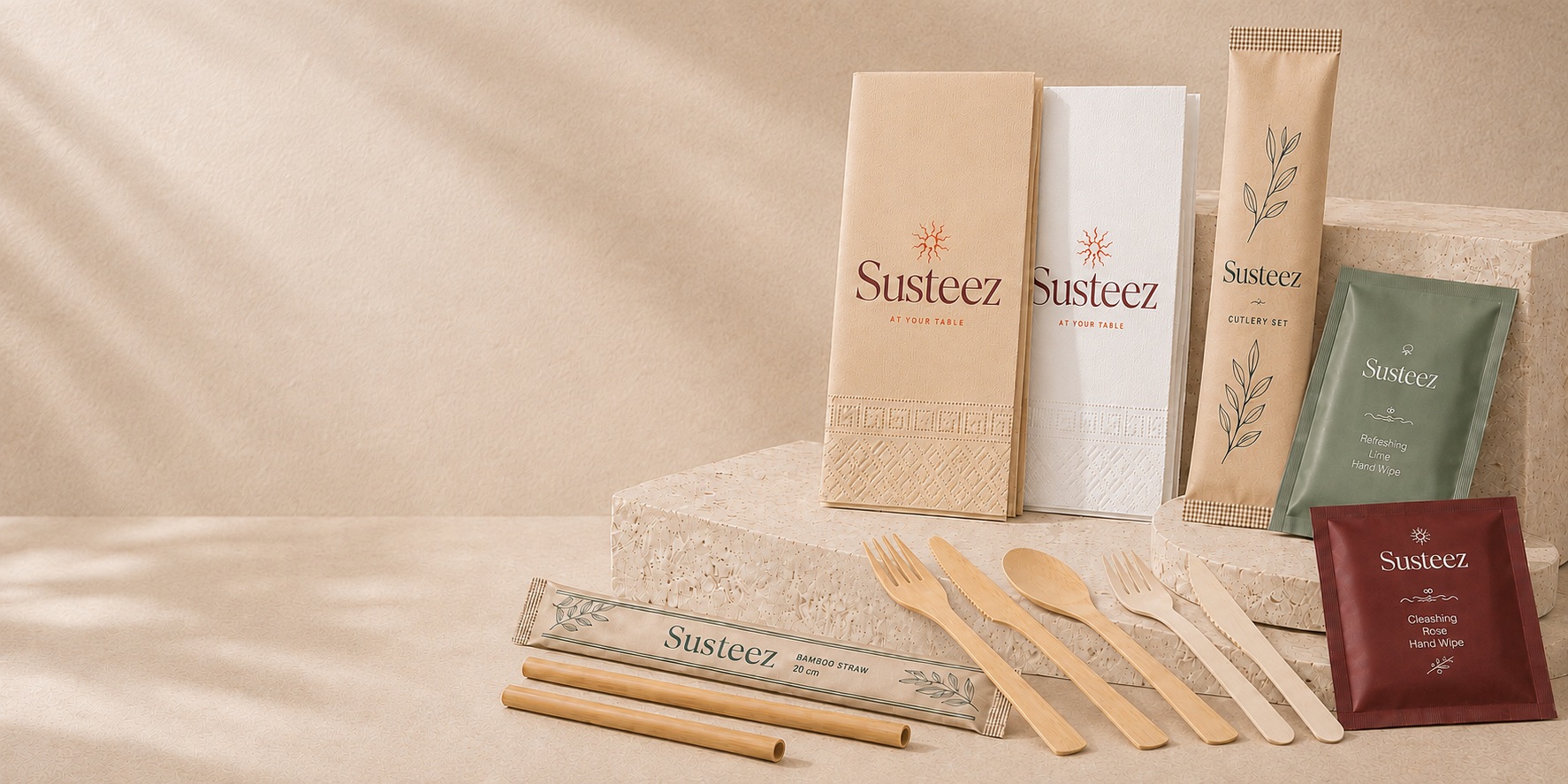
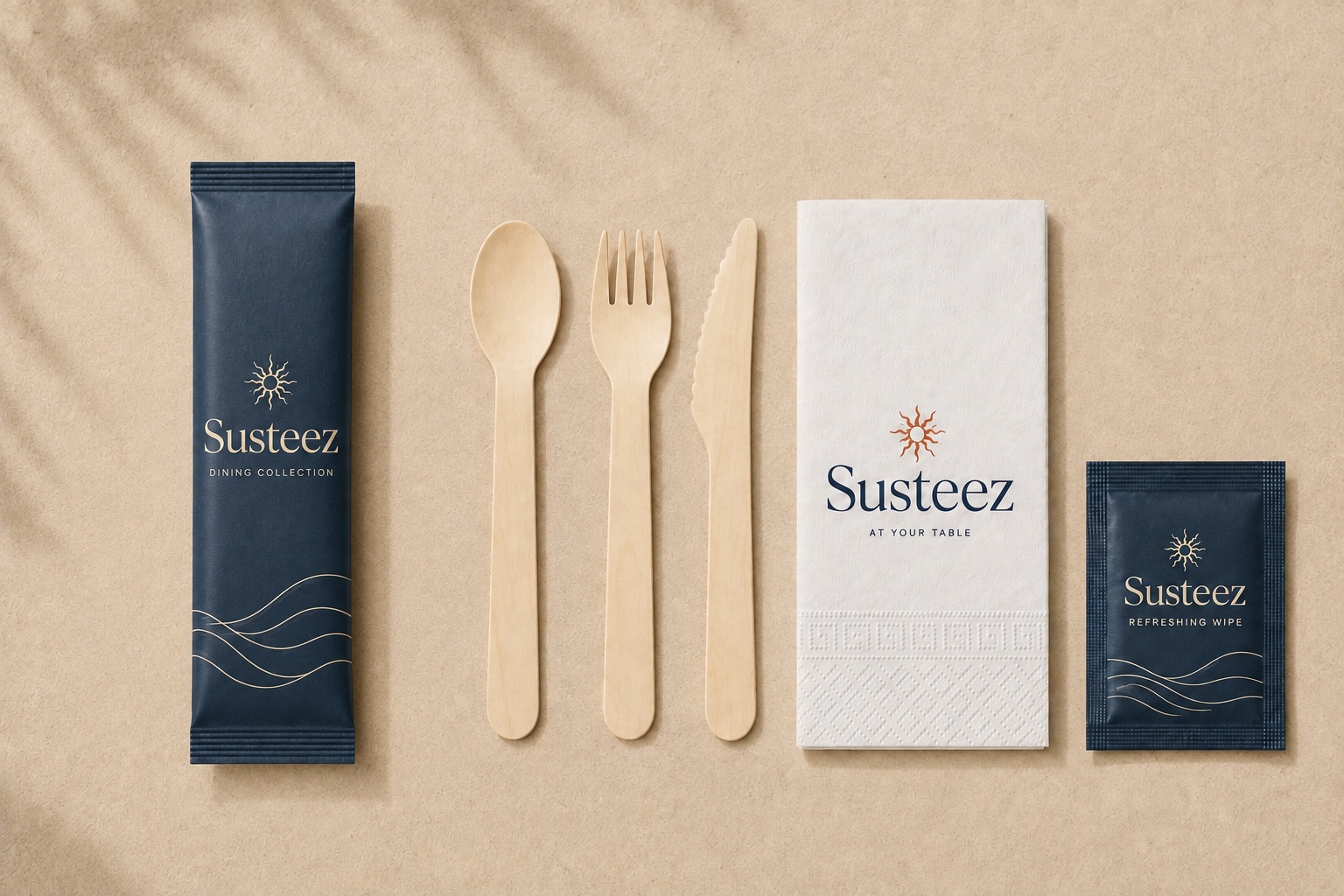
Individually wrapped items strengthen the hygiene impression, speed up service and open a printable sleeve; they also raise unit cost and packed volume. Bulk is cheaper and generates less packaging, but sits exposed. The decision follows the way the business actually serves.
The two formats
Who chooses which
Hospital canteens, schools, factory canteens and takeaway favour individual wrapping, where the hygiene expectation is explicit and high. Restaurants and cafés with seated service can work in bulk, because staff hand the item to the guest.
Packed volume is a cost line
Wrapping raises the volume the product occupies, and that lands directly on the freight bill. On low-value, high-volume goods where transport dominates, a wrapping decision cannot be judged on product price alone.
The sleeve's second job
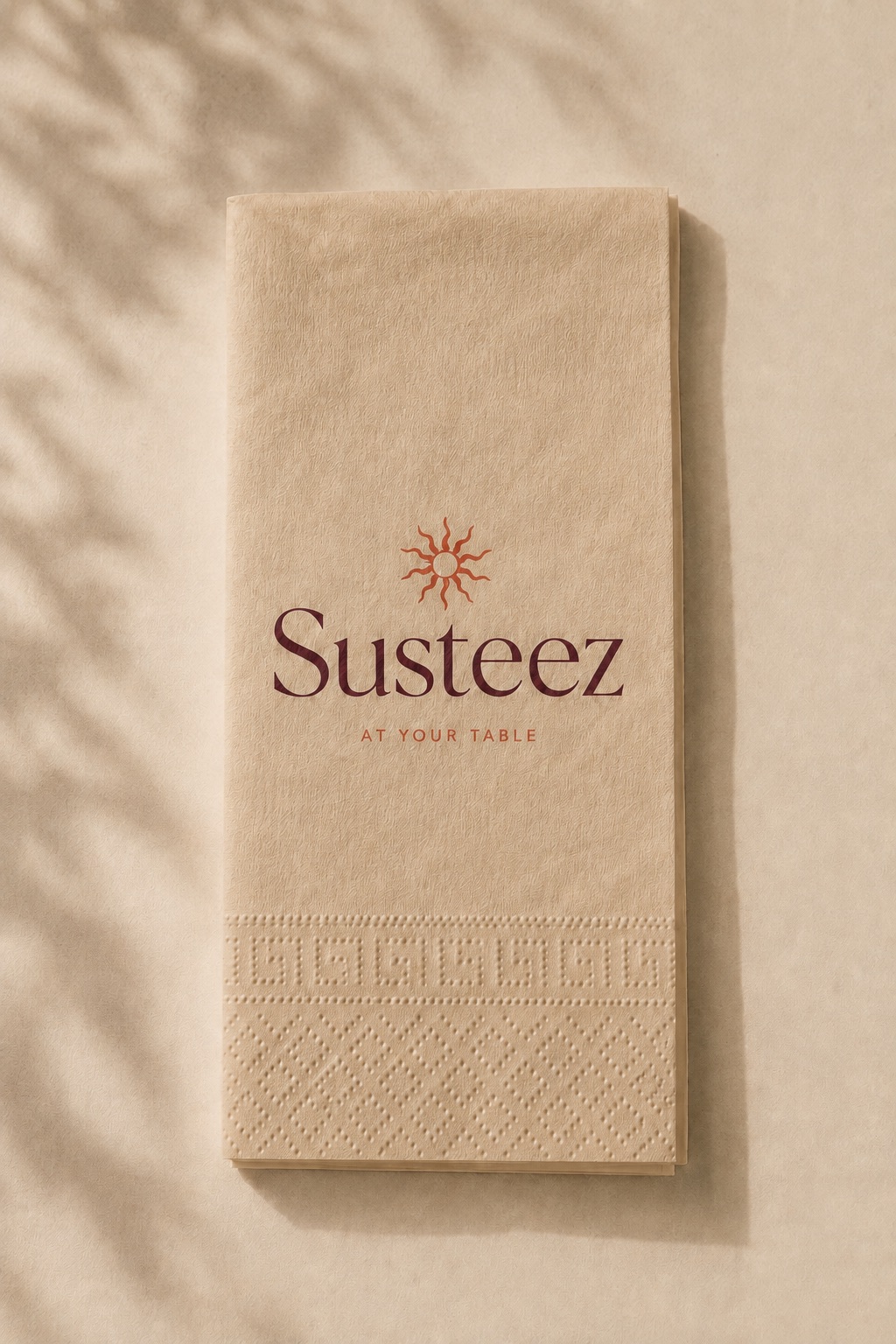
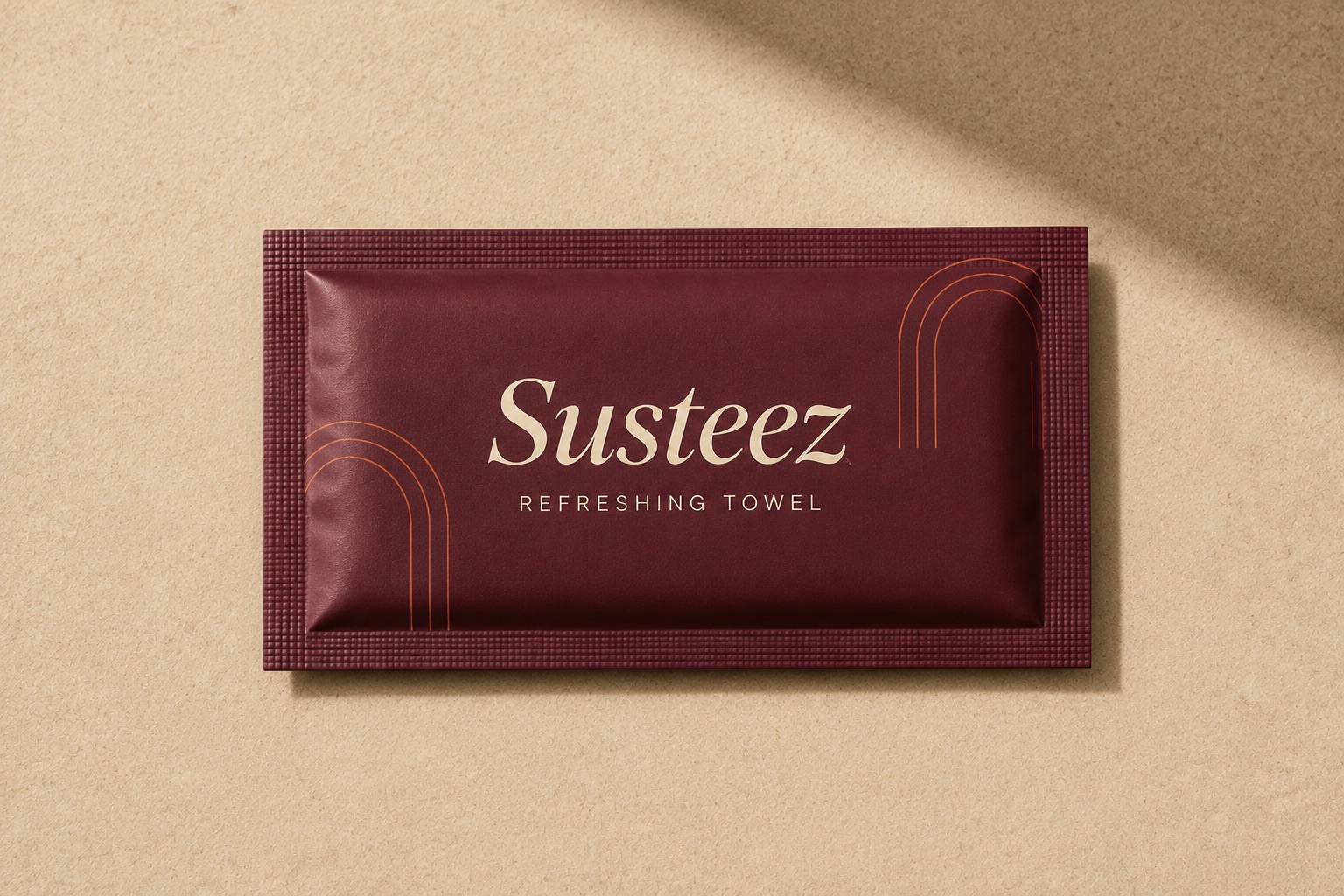
A sleeve is a print surface. Where the item itself cannot carry a mark, brand visibility comes from there. But the sleeve goes into the bin as service begins, while a logo on the item stays on the table.
The middle option
A kit sits between the two: several items combined in one sleeve, so the hygiene impression is kept while the number of wrappers falls and service completes in a single movement.
Frequently asked
- Does wrapping affect compostability?
- It depends on the sleeve material. An uncoated paper sleeve does not disturb the claim; a laminated one is assessed separately.
- Can bulk items be printed?
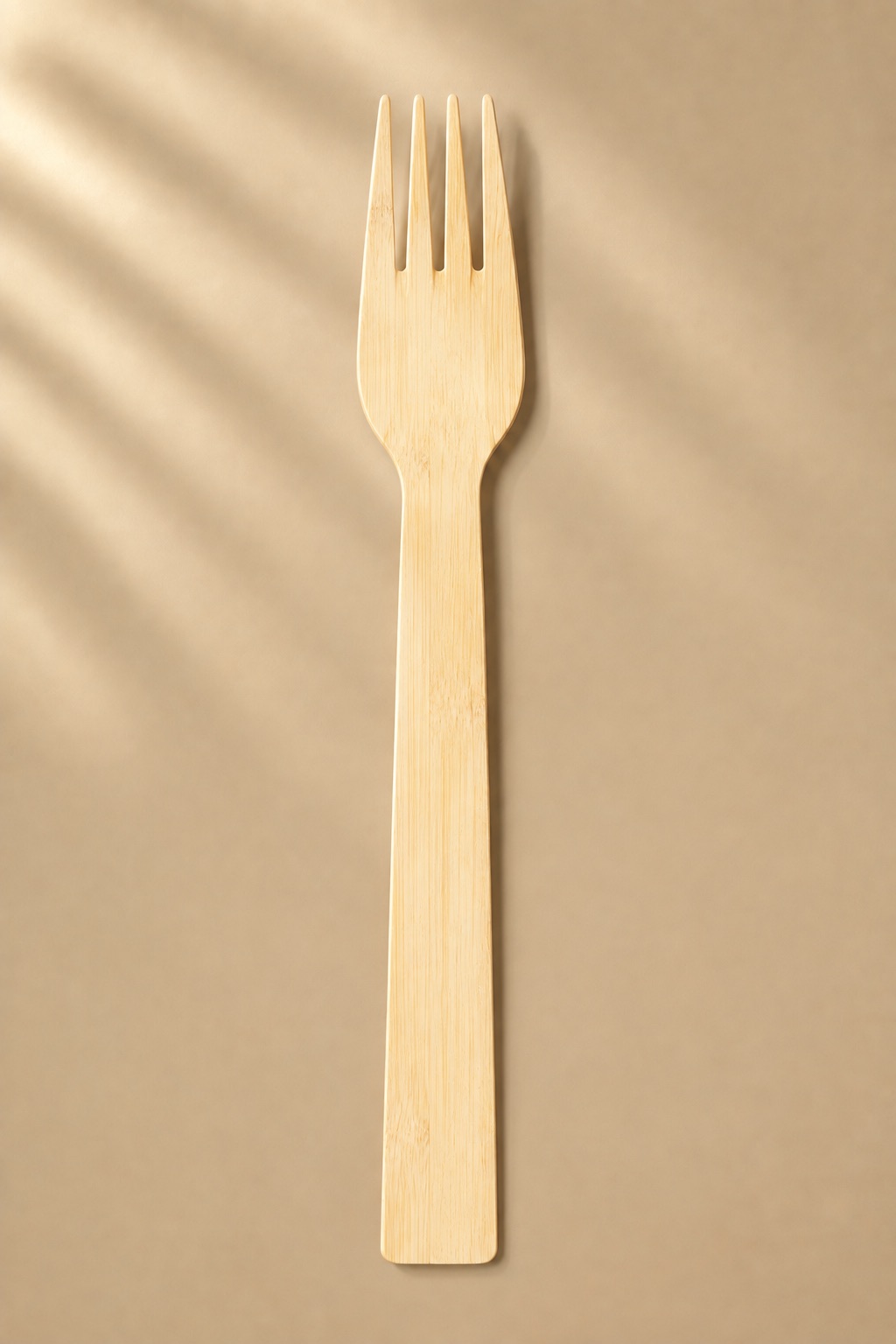
- Yes. Wood and bamboo items take print directly on the body, so the logo shows without a sleeve.
Last updated: 2026-09-13