
What PLA is, and what 'bioplastic' does not mean
PLA is a plastic made from plant feedstock such as corn starch. Its plant origin does not make it compostable: PLA only breaks down in an industrial facility at around 58 °C. In a home compost heap or in the open environment it effectively does not degrade, and in recycling it contaminates the conventional plastics stream.
Two ideas that get conflated
Why a garden heap will not do it
PLA's glass transition sits below 60 °C, and sustained heat is needed before the polymer chains begin to break. A garden heap holds at 20-30 °C, where PLA can sit intact for years.
The recycling problem
PLA looks like PET and can pass through sorting undetected. A PET bale carrying even a small fraction of PLA loses melt quality and therefore value. Separate collection solves it, and separate collection mostly does not exist.
How wood and bamboo differ
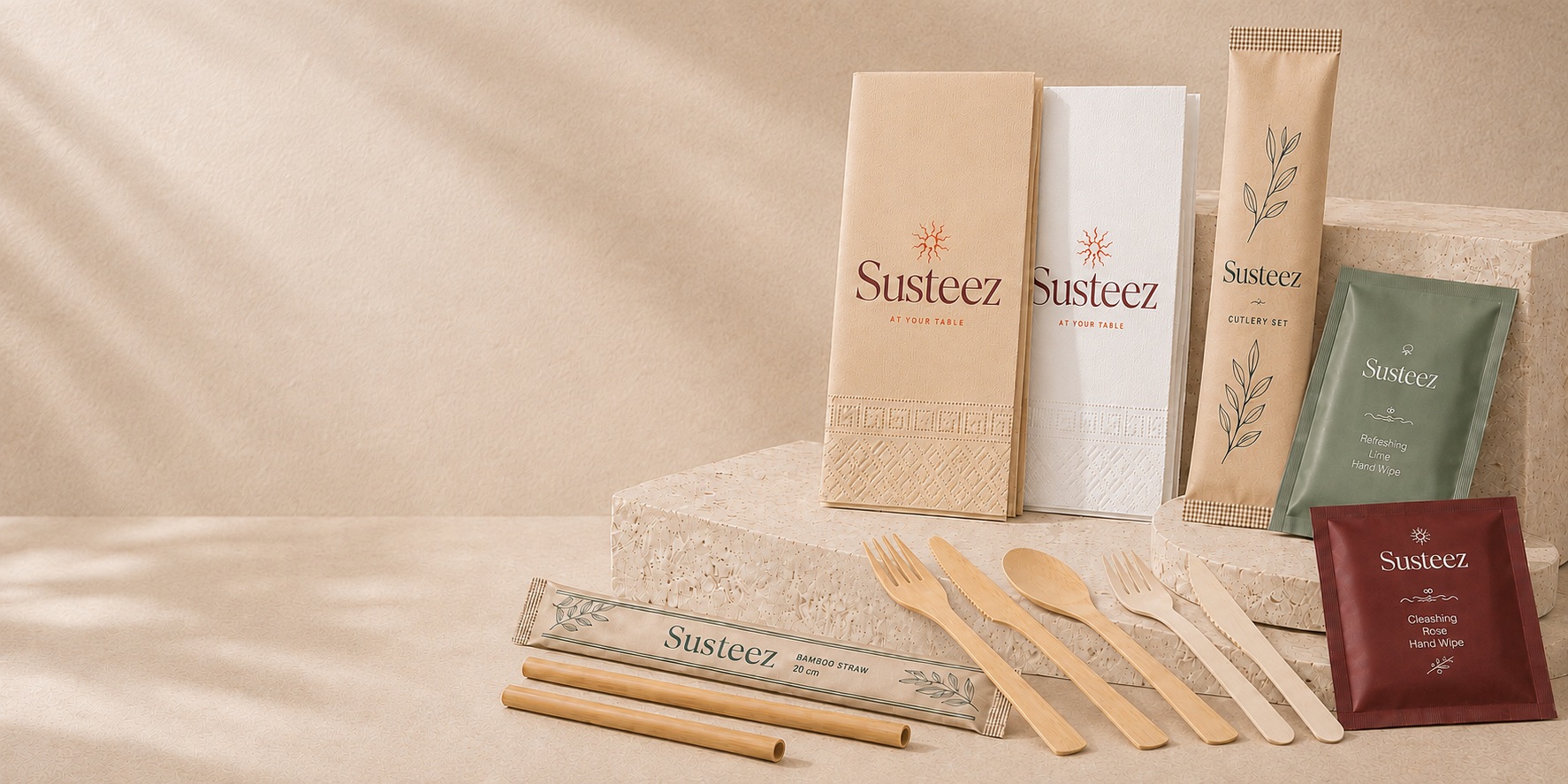
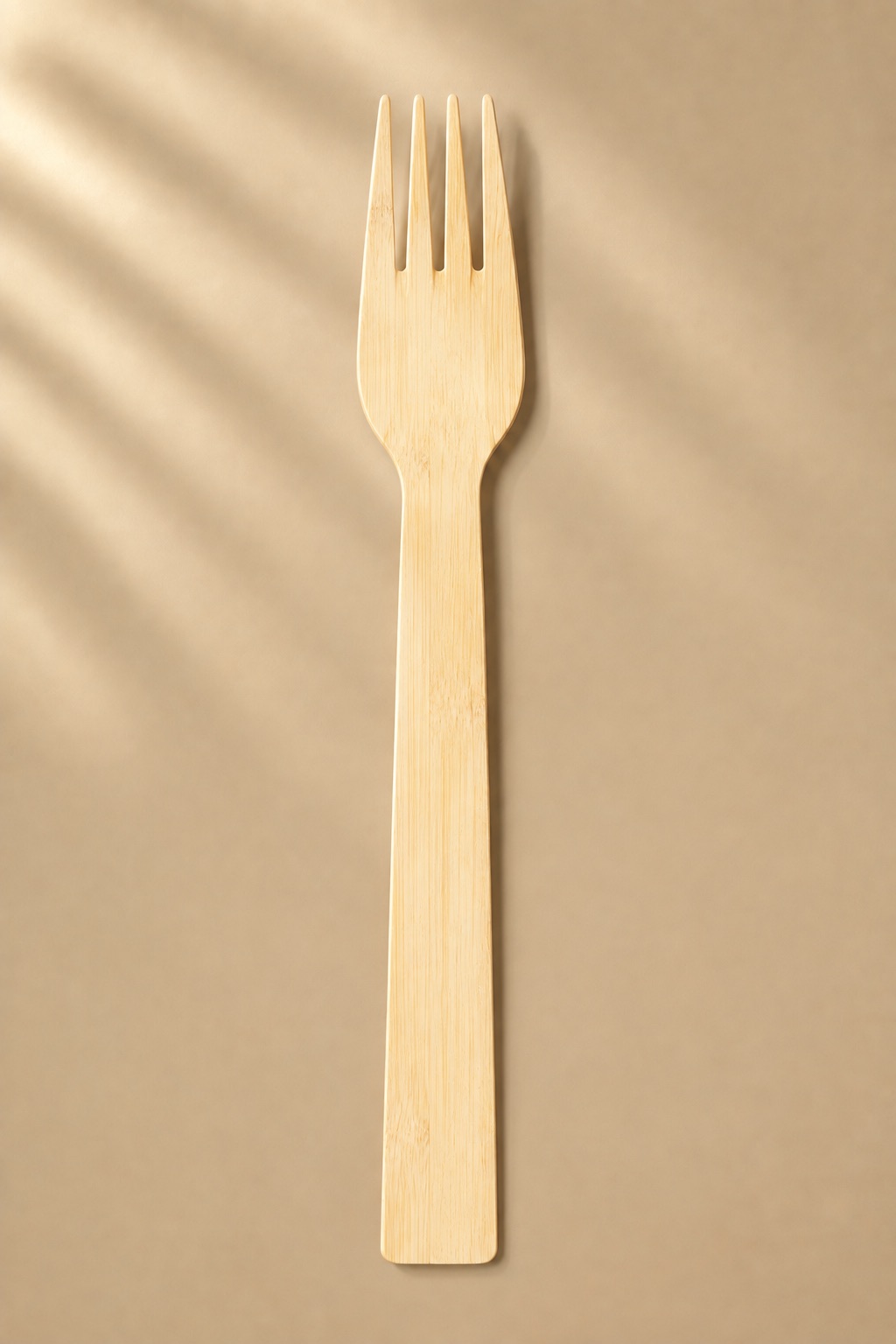
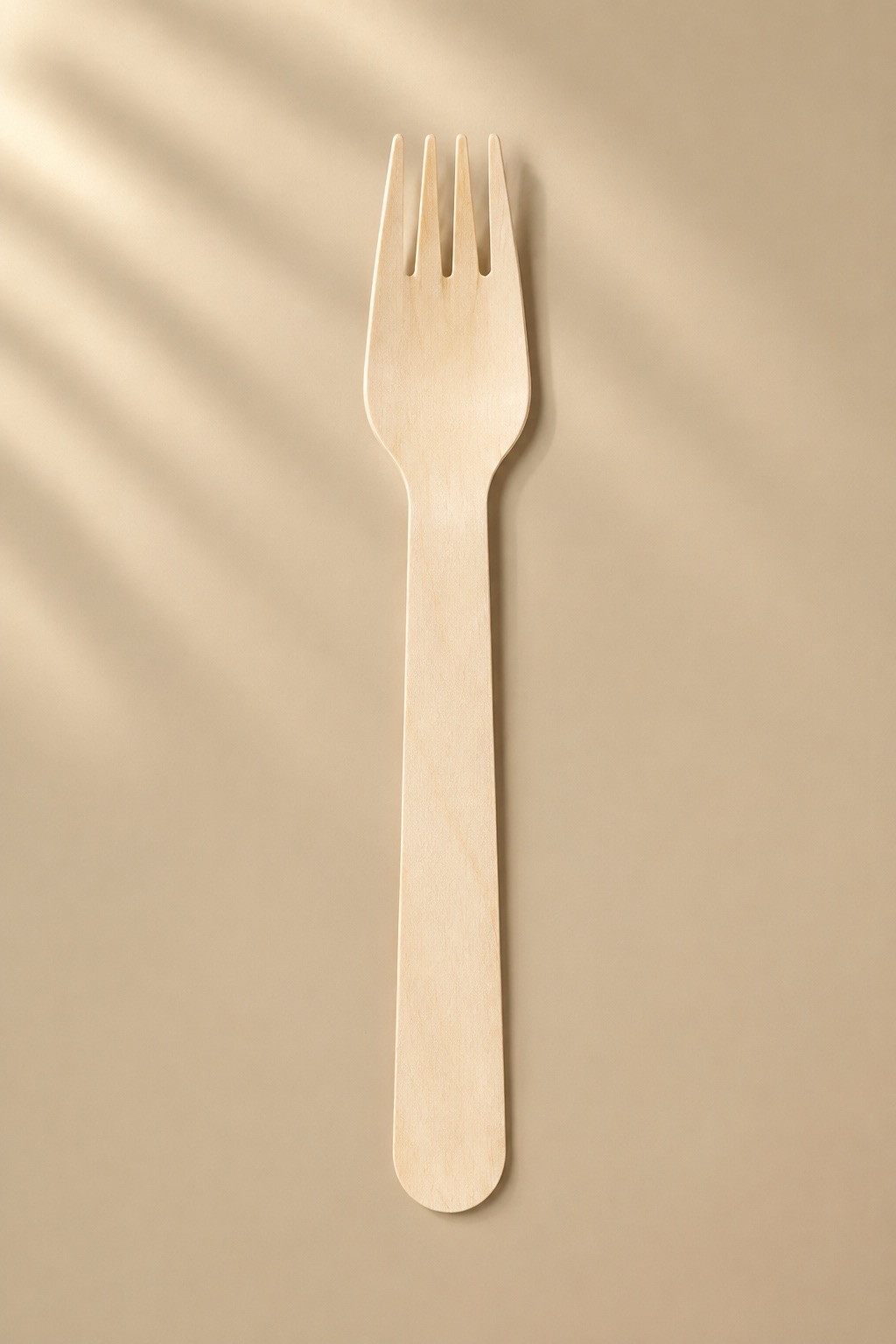
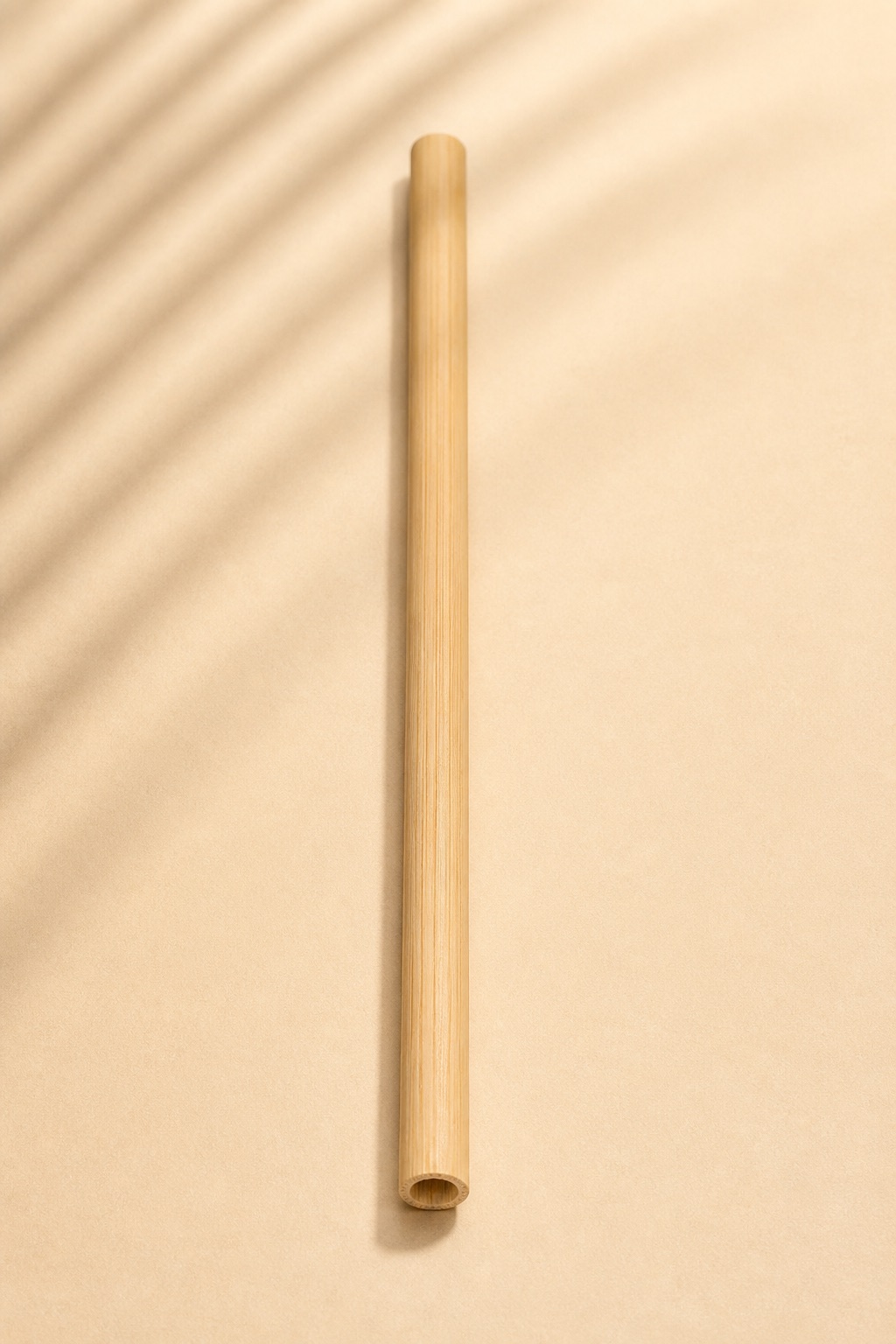
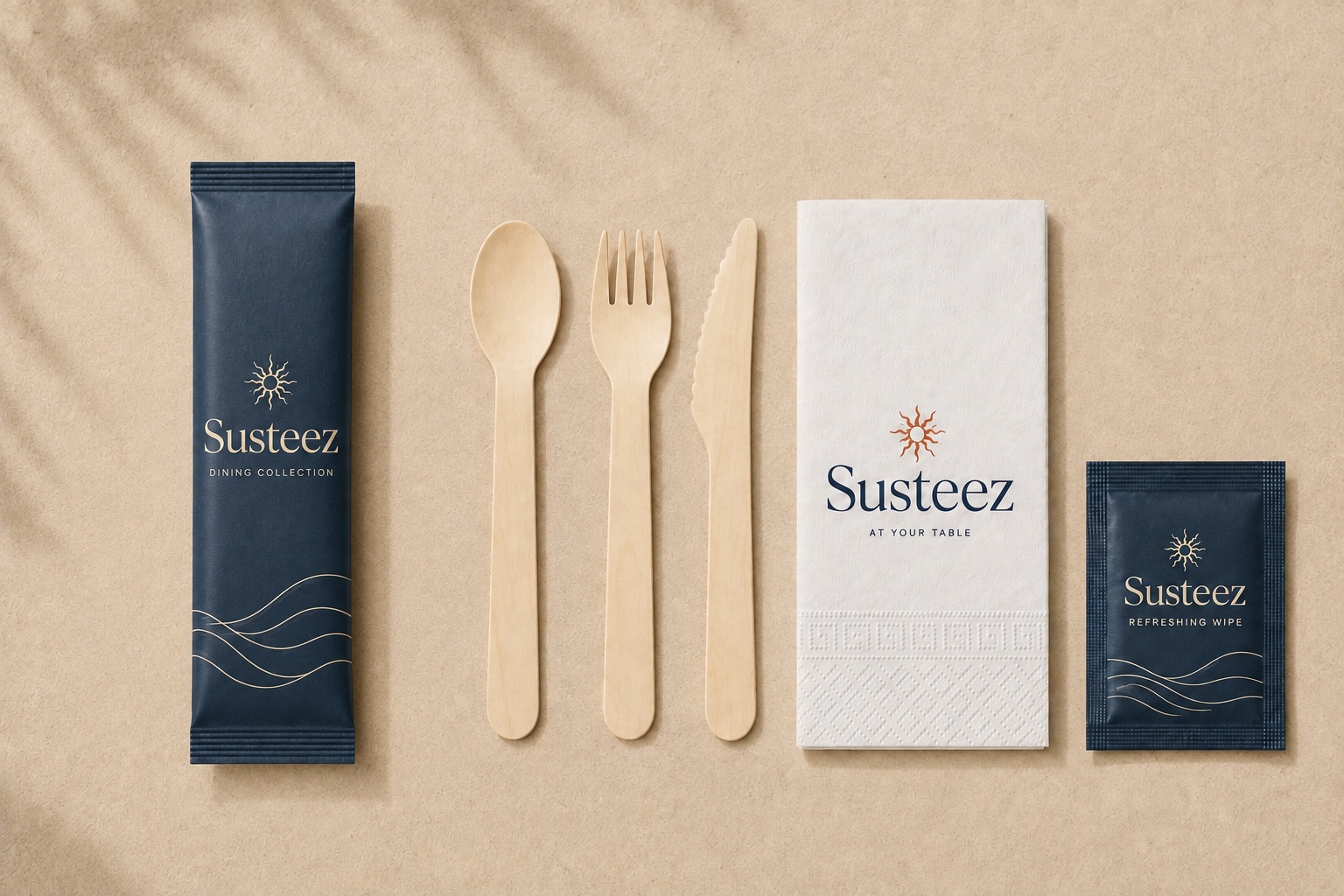
Untreated wood and bamboo are used directly, without chemical conversion. They break down in a home heap and they do not devalue a bale when they end up in the wrong stream. Add a coating and that advantage disappears.
When PLA is the right answer
When transparency is required. A cold drink cup or a salad bowl meant to show its contents has no wood or paper equivalent. If the waste stream the product will enter is known, PLA can be the correct choice.
Frequently asked
- Why were PLA straws banned?
- The EU single-use plastics directive defines plastic by polymer behaviour, not by feedstock. PLA counts as plastic, so it falls inside the ban on straws, cutlery and stirrers.
- What is CPLA?
- Crystallised PLA, with improved heat resistance, used for items such as hot drink lids. For compostability it is subject to the same industrial facility requirement.
Last updated: 2026-09-13