
Cutlery kits or separate items?
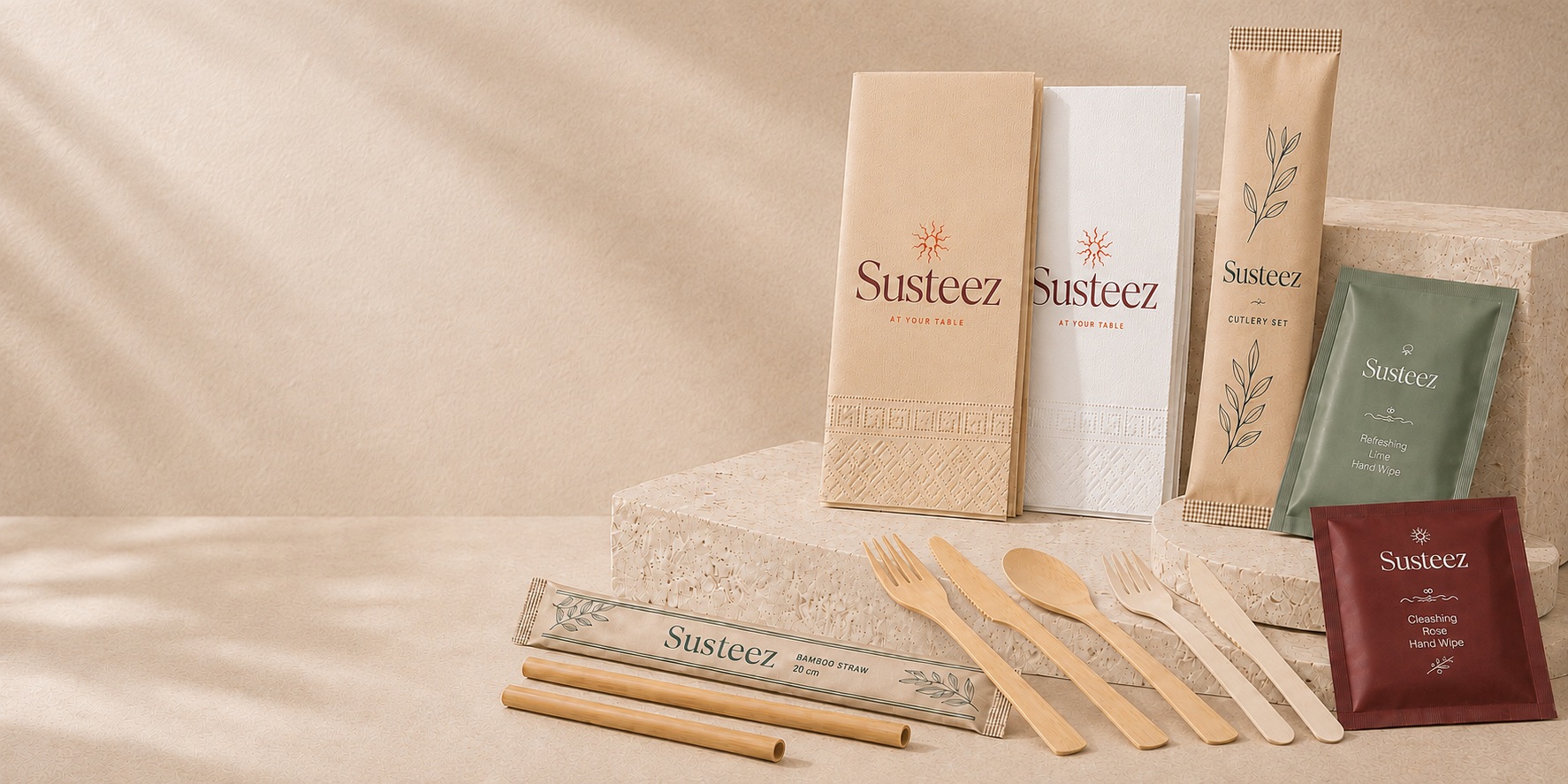
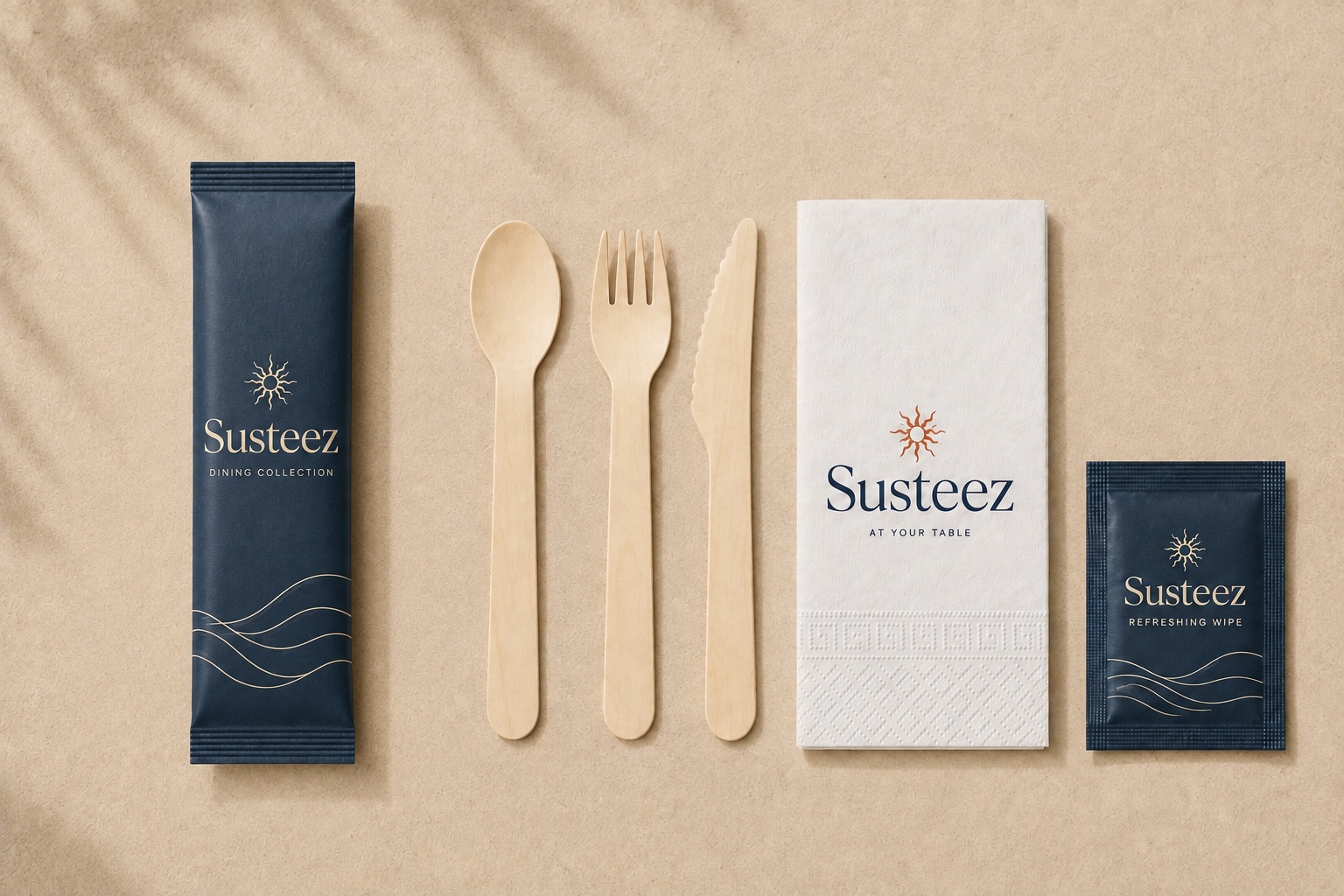
A kit combines several items in one sleeve: cutlery, napkin, straw and optionally salt and sugar. Assembly adds a labour cost, and in return it reduces service to a single movement, removes the risk of a missing item, and puts the whole brand on one printed surface.
The two approaches
Takeaway changes the maths
In takeaway every missing item is a complaint and often a refund. A kit makes a forgotten fork structurally impossible. Weighed against the cost of that risk, assembly pays for itself in most takeaway operations.
Contents need not be fixed
A kit is a configurable product: which components go in is set at order time. A kit of cutlery and a napkin alone is perfectly possible, and that flexibility matters in markets where bundling straws or condiments is restricted.
In seated service
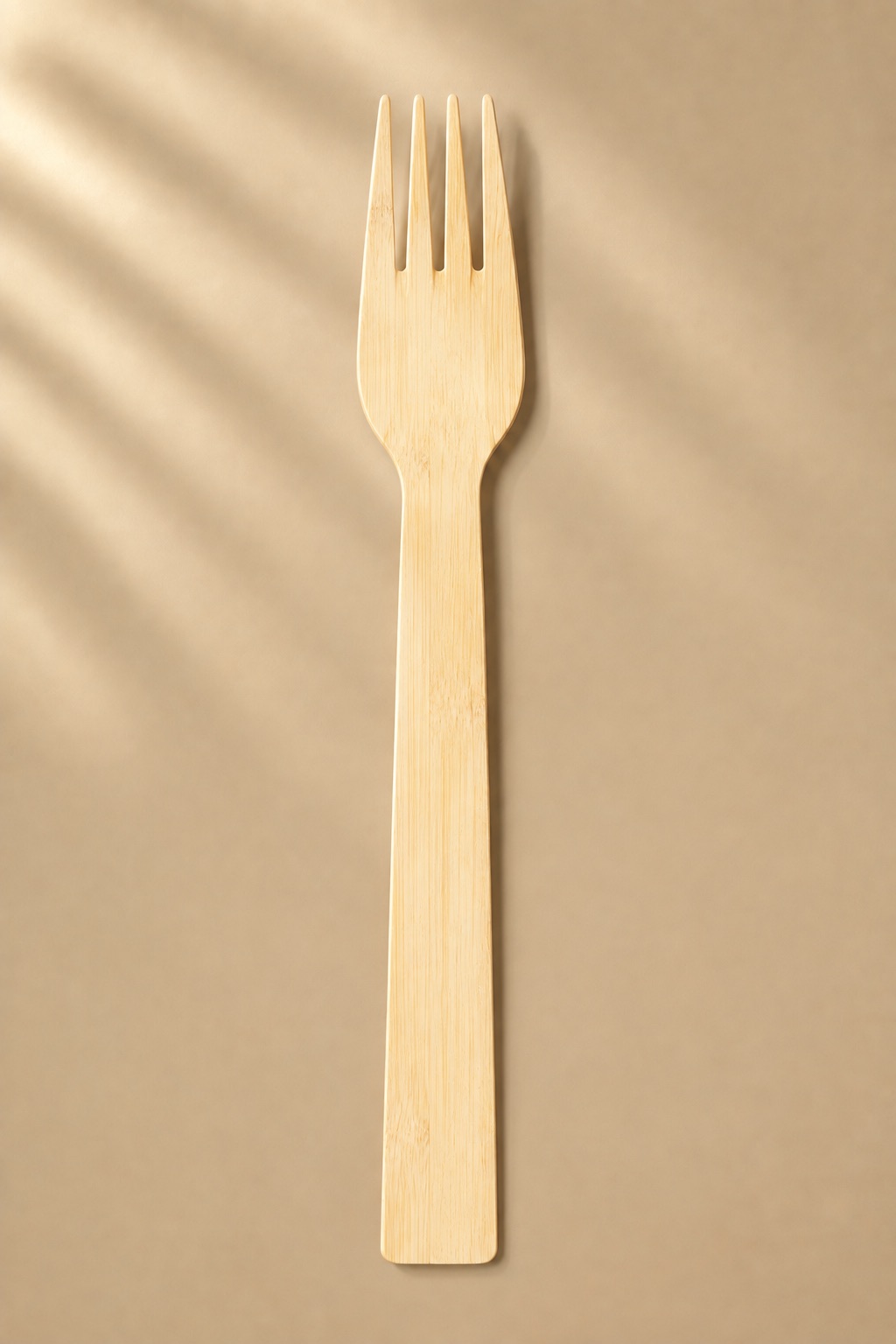
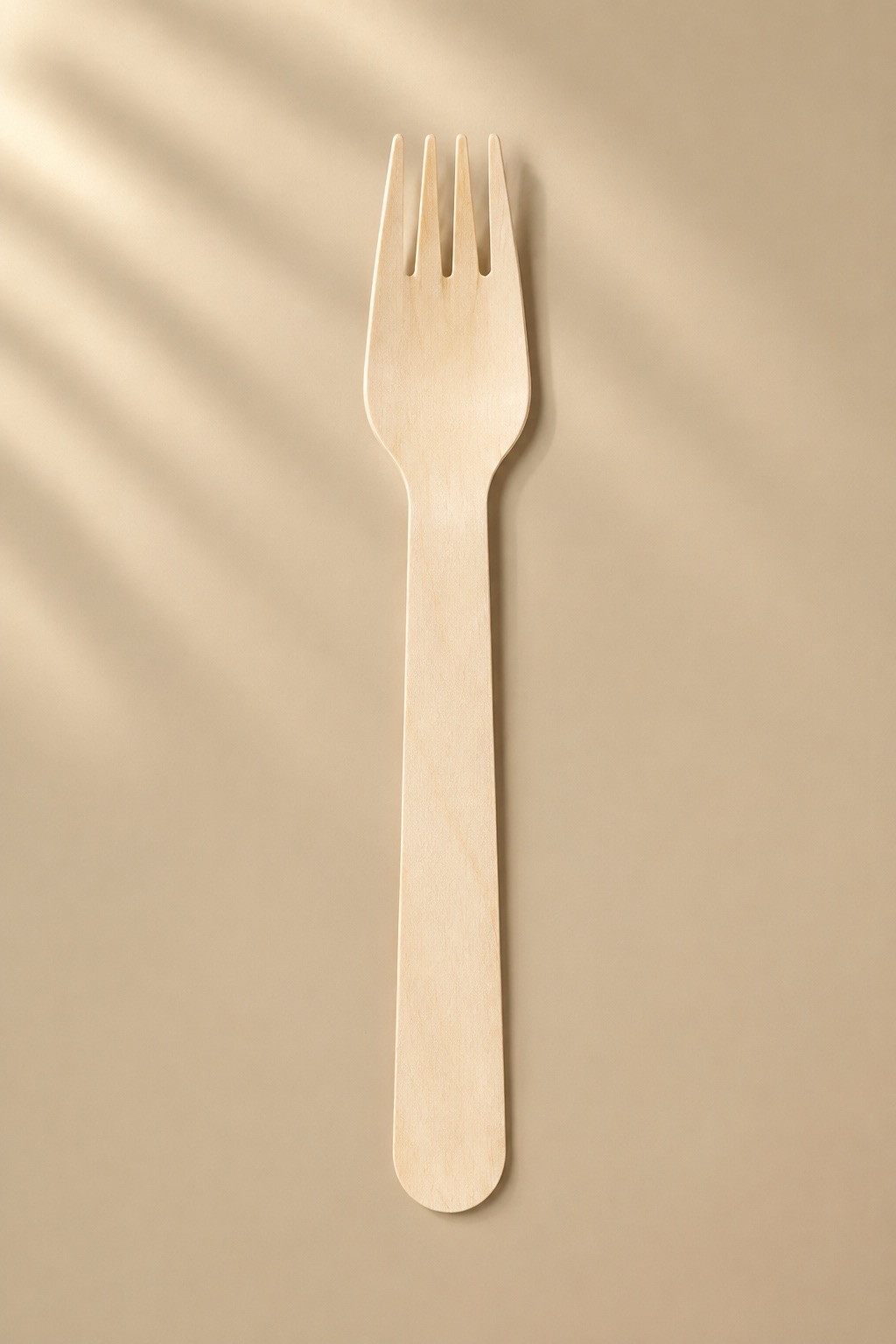
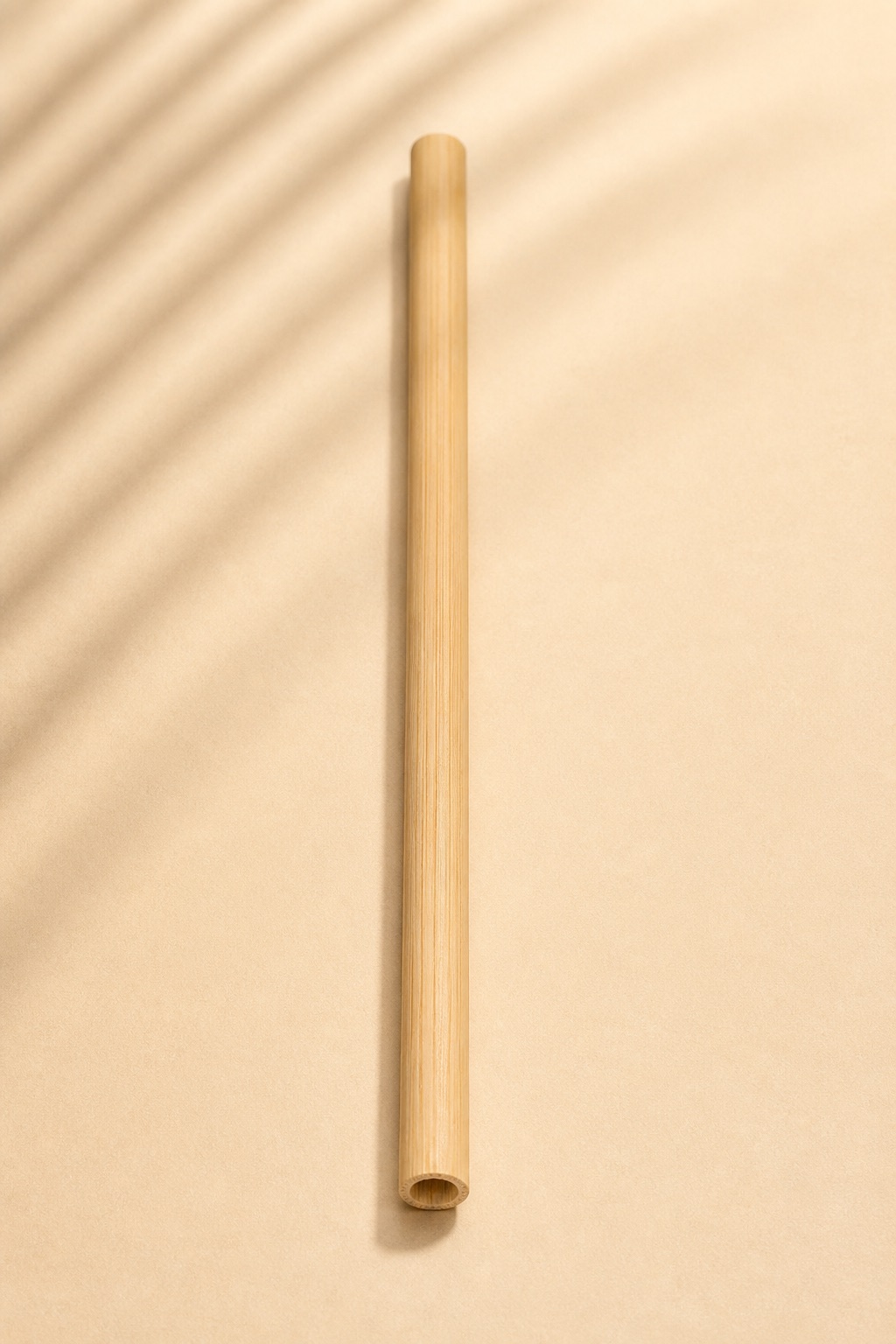
Where staff bring items to the table, the speed advantage disappears because each item is presented separately anyway. There, buying separately is both cheaper and more flexible.
On the stockroom side
A kit is stocked as a single line and counting gets easier; on the other hand, running out of one component stops the whole kit. Separate items each move independently.
Frequently asked
- Can I add my own item to a kit?
- Kit contents are configured. Which components go in, and how many, is decided with the order.
- Does the sleeve have to be printed?
- No, though it is the largest print surface a kit offers. An unprinted sleeve is possible.
Last updated: 2026-09-13