
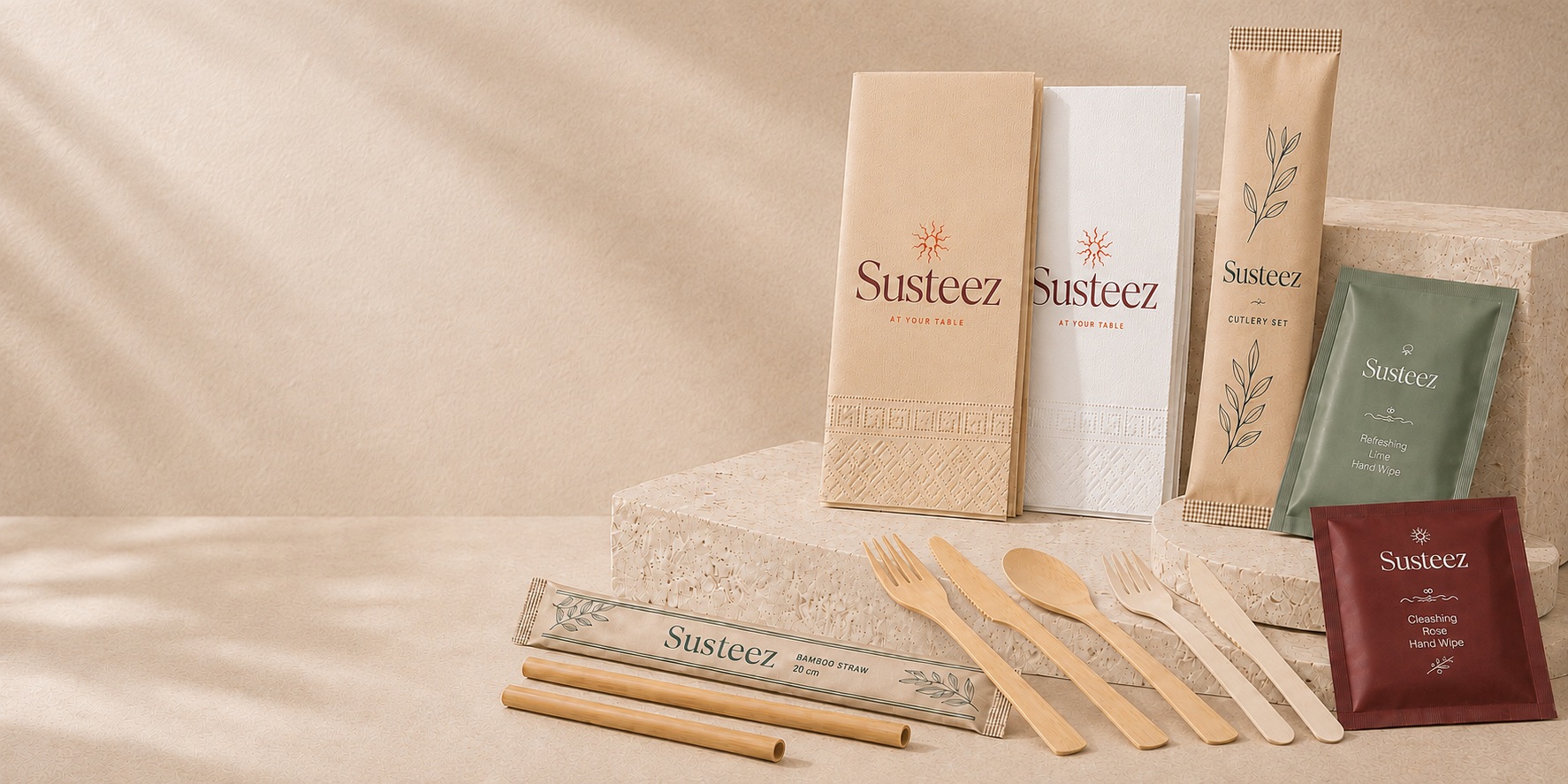
Print on the sleeve, or on the item?
Sleeve printing offers a larger area and more colours at a lower unit cost. Printing on the item gives a narrow window, usually in one colour, but it stays on the table for the length of the meal. The decision sits between how long the logo is seen and how large it is seen.
The two surfaces
Time visible is the overlooked half
A sleeve has done its job the moment it is opened and then leaves the table. A logo on a handle stays in the guest's hand, through the meal, and often into a photograph. If brand visibility is the goal, the calculation should be made on time visible rather than unit cost.
The area limit is real
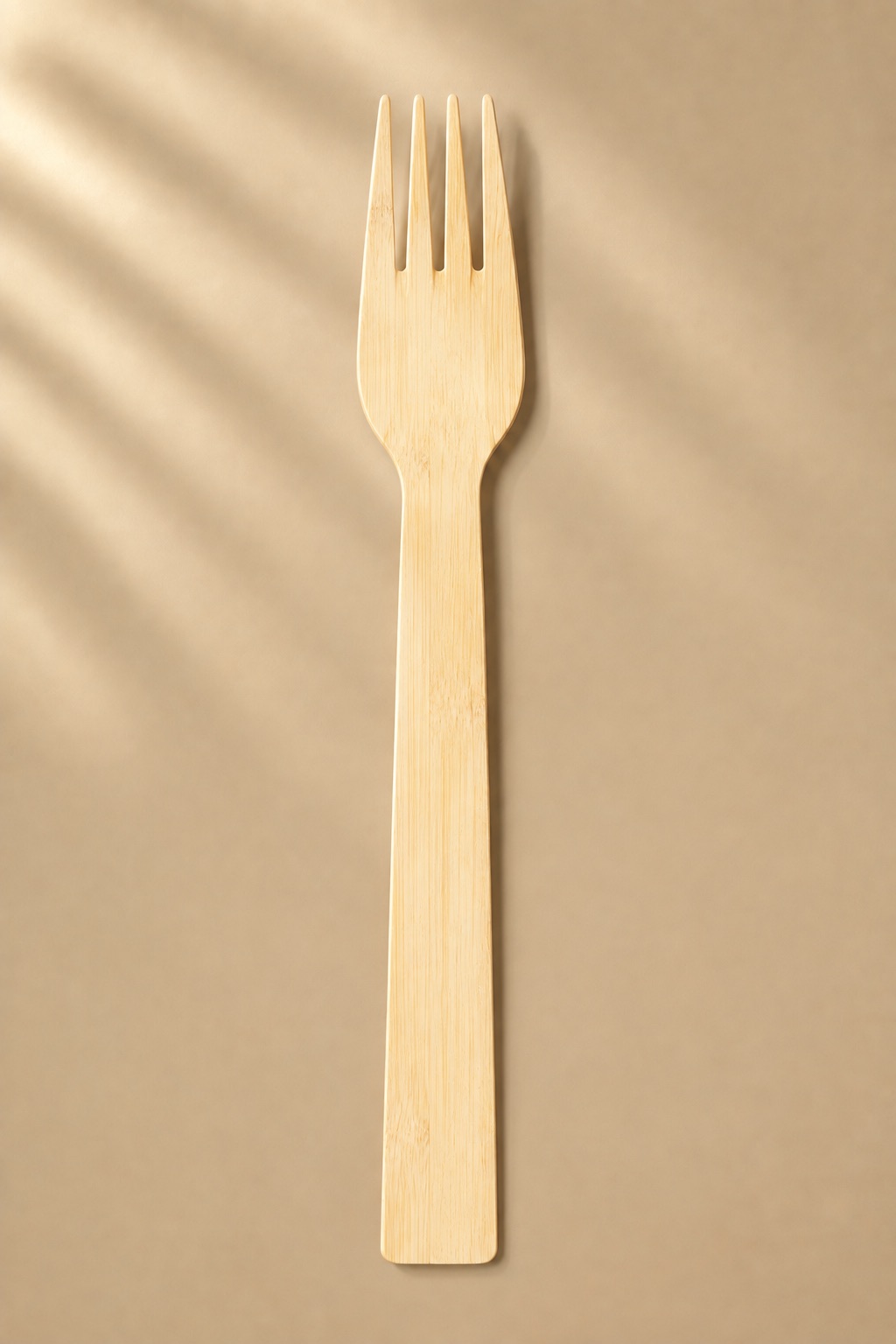
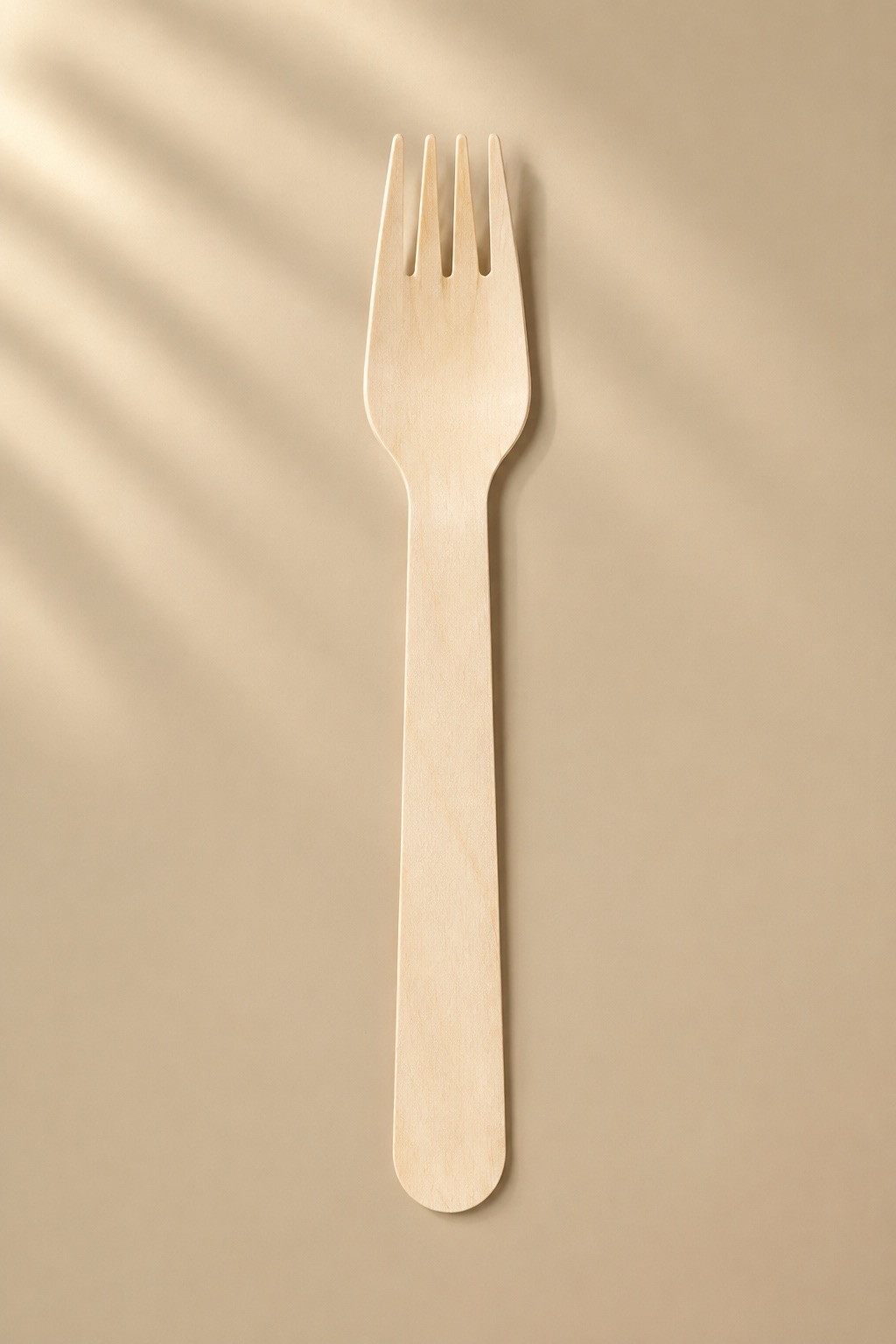
Whatever is printed on a handle has to fit the window the pad touches. A long brand name or an emblem with fine detail can become unreadable there. A sleeve has no such limit and lets the design breathe.
Using both
Printing sleeve and item together gives the strongest result: the buyer reads the brand on the pack, the guest sees it during the meal. It costs more and it captures two separate moments.
What is practical per product
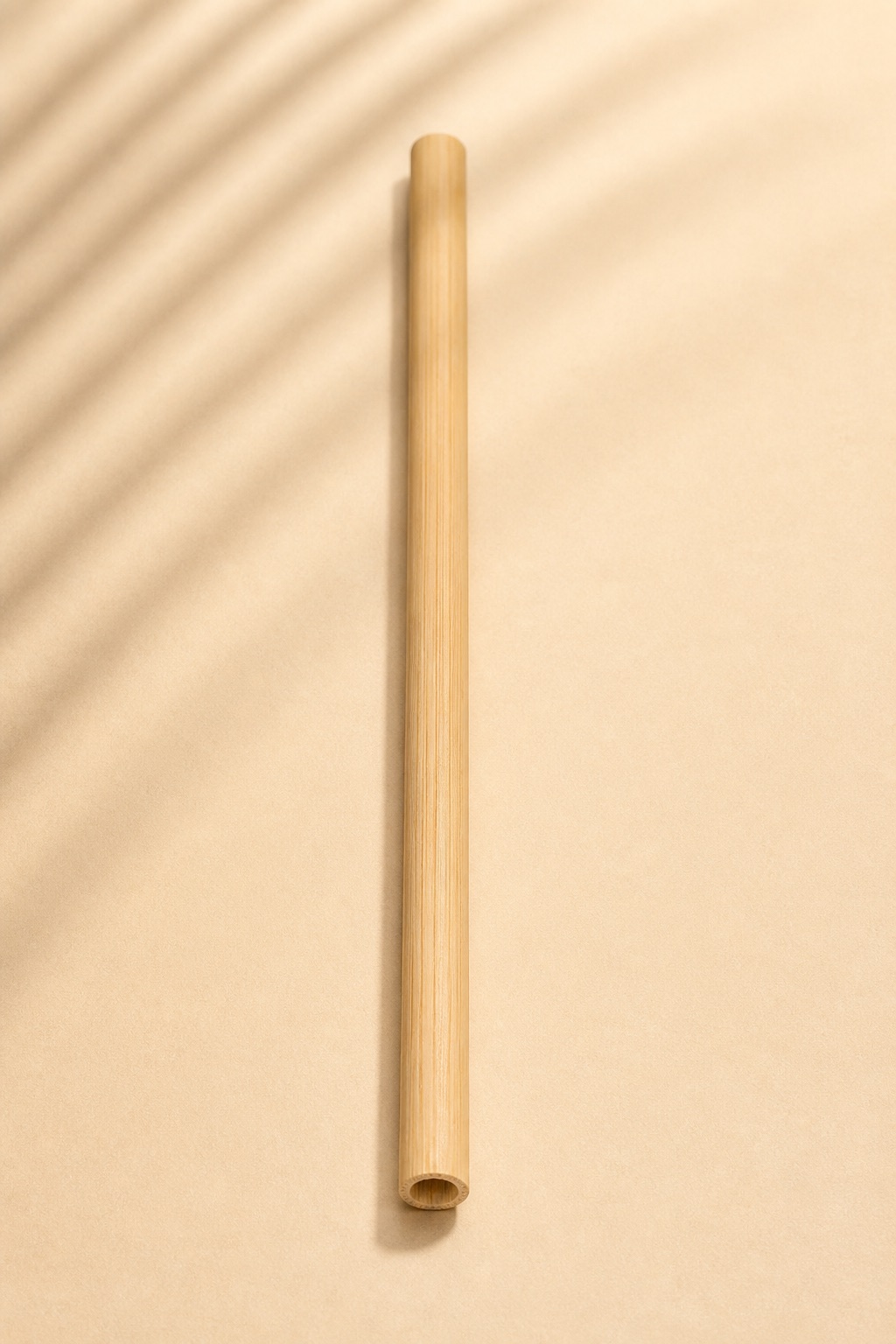
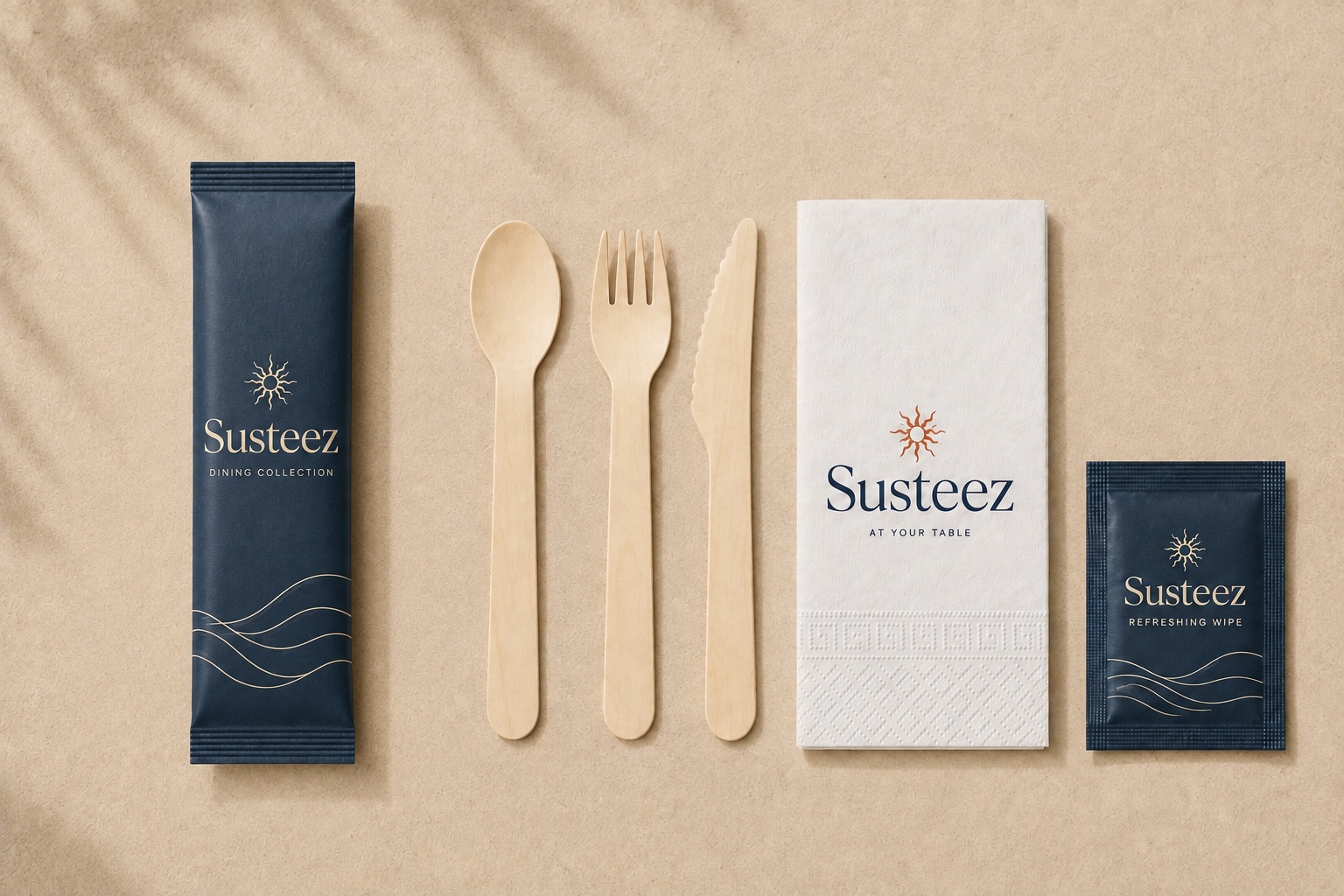
Bamboo and wooden handles and straw bodies take direct print. Napkins are printed on their own surface anyway. On moist towelettes the print is necessarily on the pack, and there the distinction between item and sleeve disappears.
Frequently asked
- How many characters fit on a handle?
- The print window varies by product and method. With longer names, a shortened brand mark preserves legibility.
- Can unsleeved items be printed?
- Yes. Bulk items still take print on the body; a sleeve is not a precondition.
Last updated: 2026-09-13