
The EU Single-Use Plastics Directive: what it banned and what it did not
Directive 2019/904 removed specific single-use plastic items from the market: straws, cutlery, plates, stirrers, cotton bud sticks and expanded polystyrene containers. It defines plastic by polymer behaviour rather than feedstock, so plant-based plastics fall inside it. Wood, bamboo and uncoated paper sit outside.
Items banned
- Straws
- Cutlery and chopsticks
- Plates
- Beverage stirrers
- Cotton bud sticks
- Balloon sticks
- Expanded polystyrene food containers and cups
Restricted rather than banned
The directive does not ban everything it touches. Some items carry consumption reduction targets, some carry marking obligations and some fall under extended producer responsibility. Wet wipes and cups containing plastic sit in this second group — not banned, but subject to obligations.
The definition of plastic is the crux
Plastic is defined by how the polymer behaves. PLA made from corn starch therefore counts as plastic and falls inside the ban. The assumption that plant origin grants exemption finds no support in the text.
What falls outside
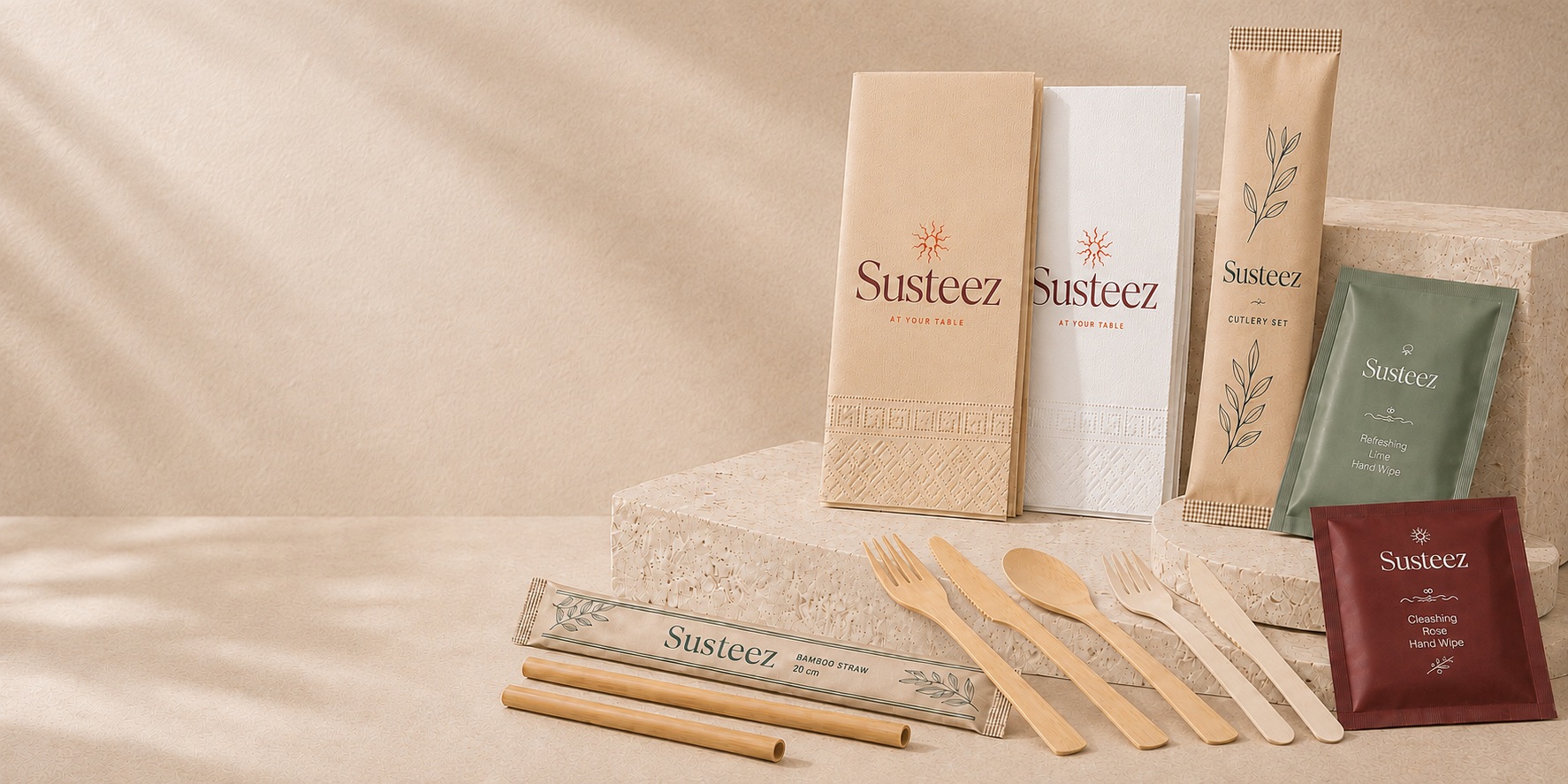
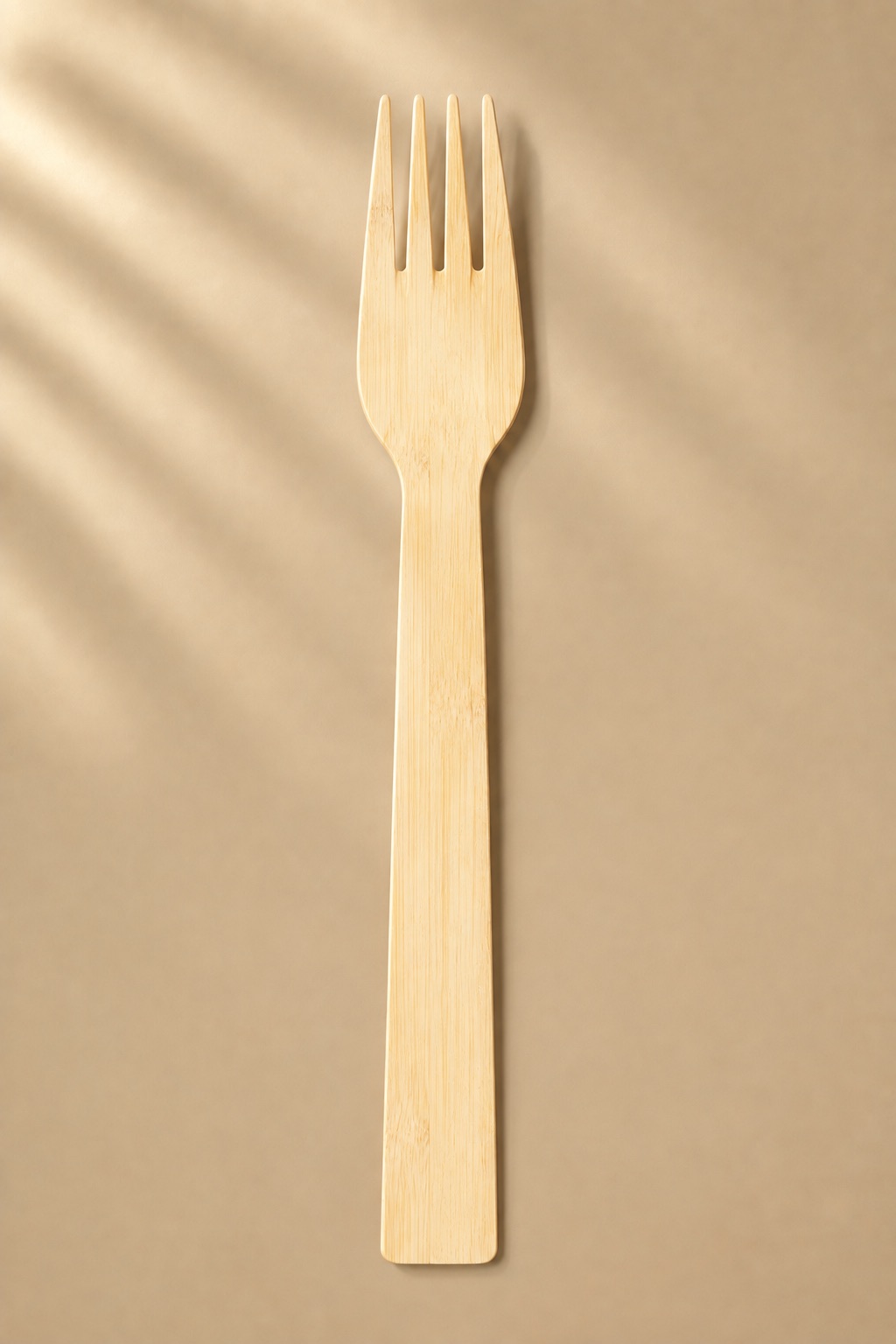
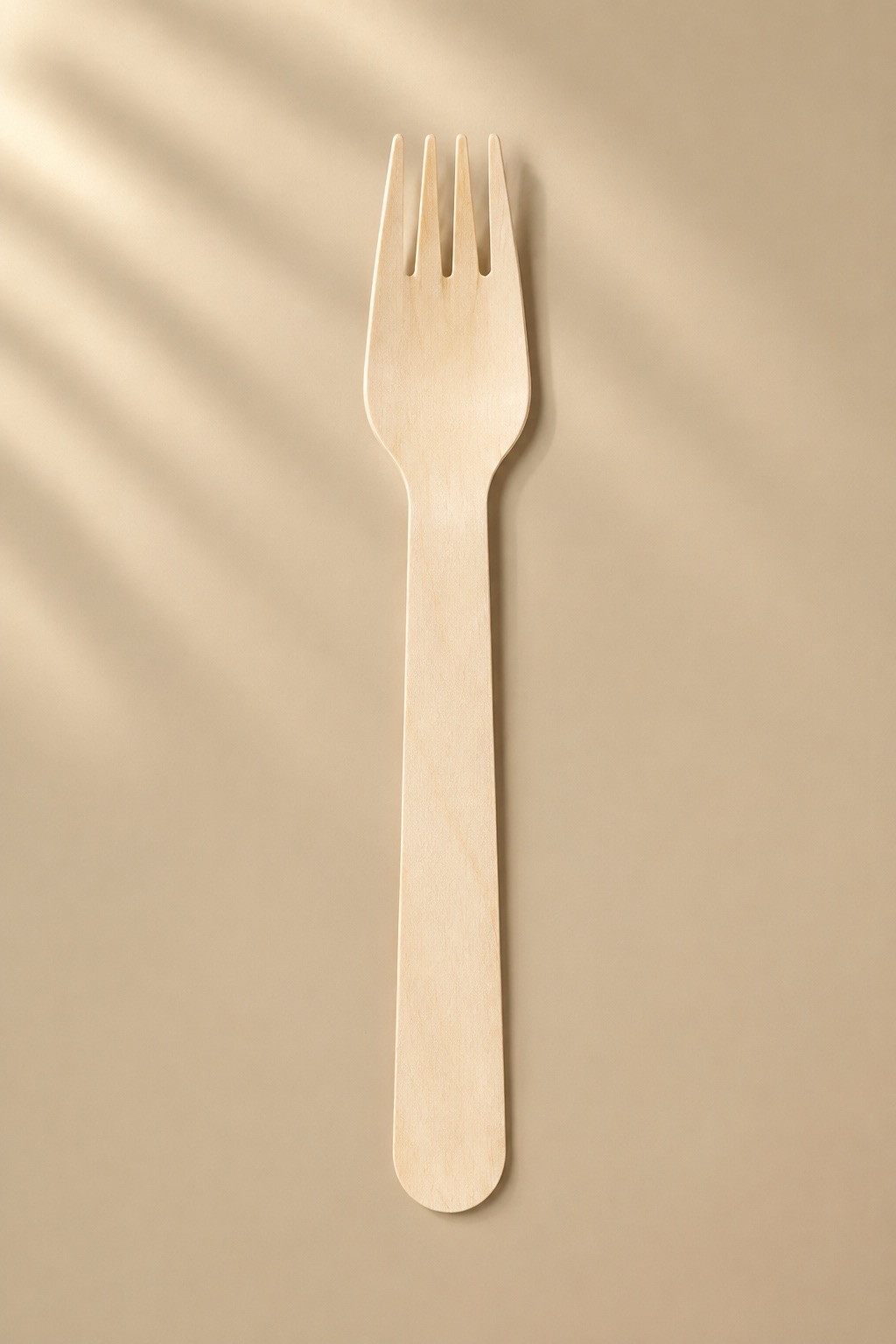
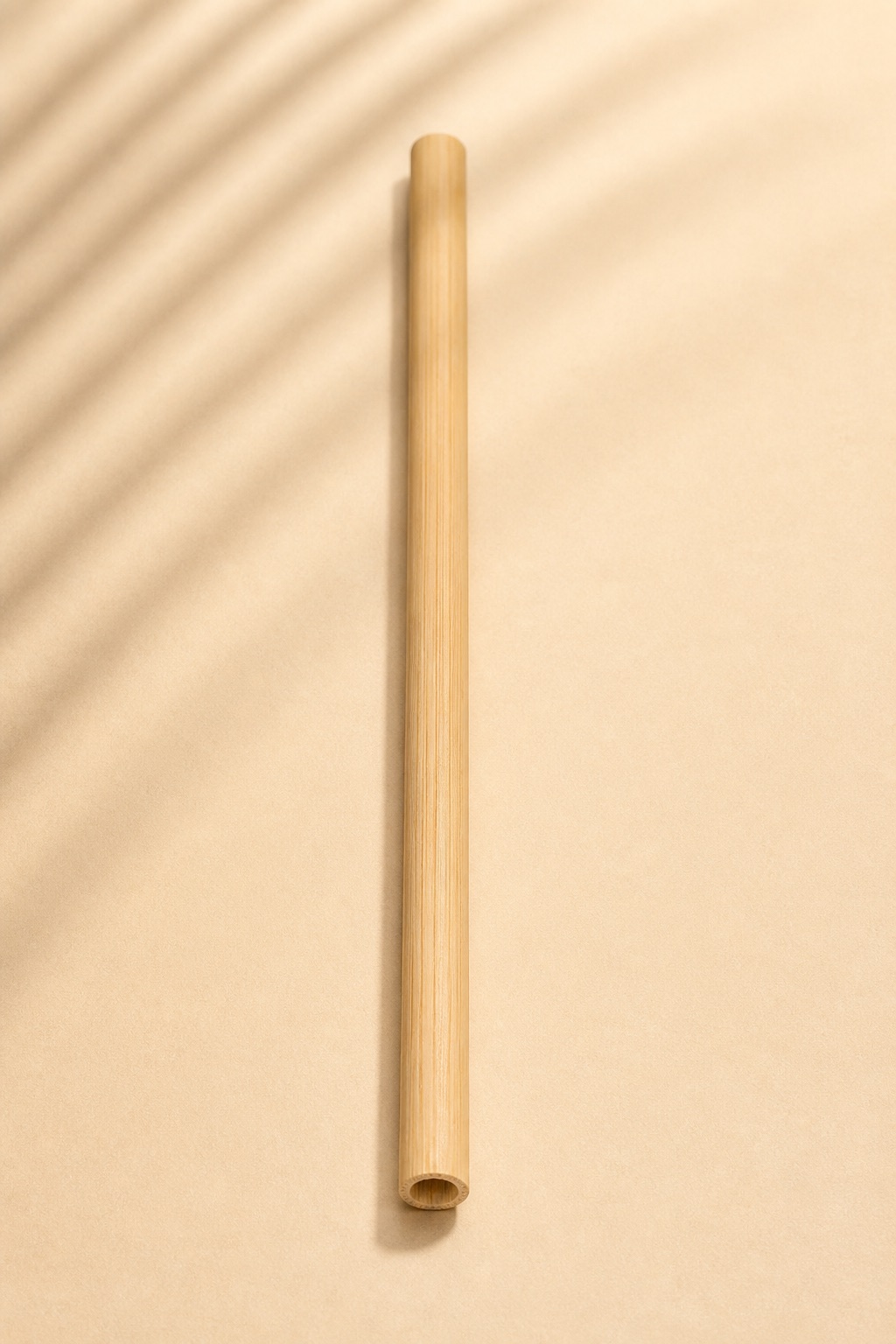
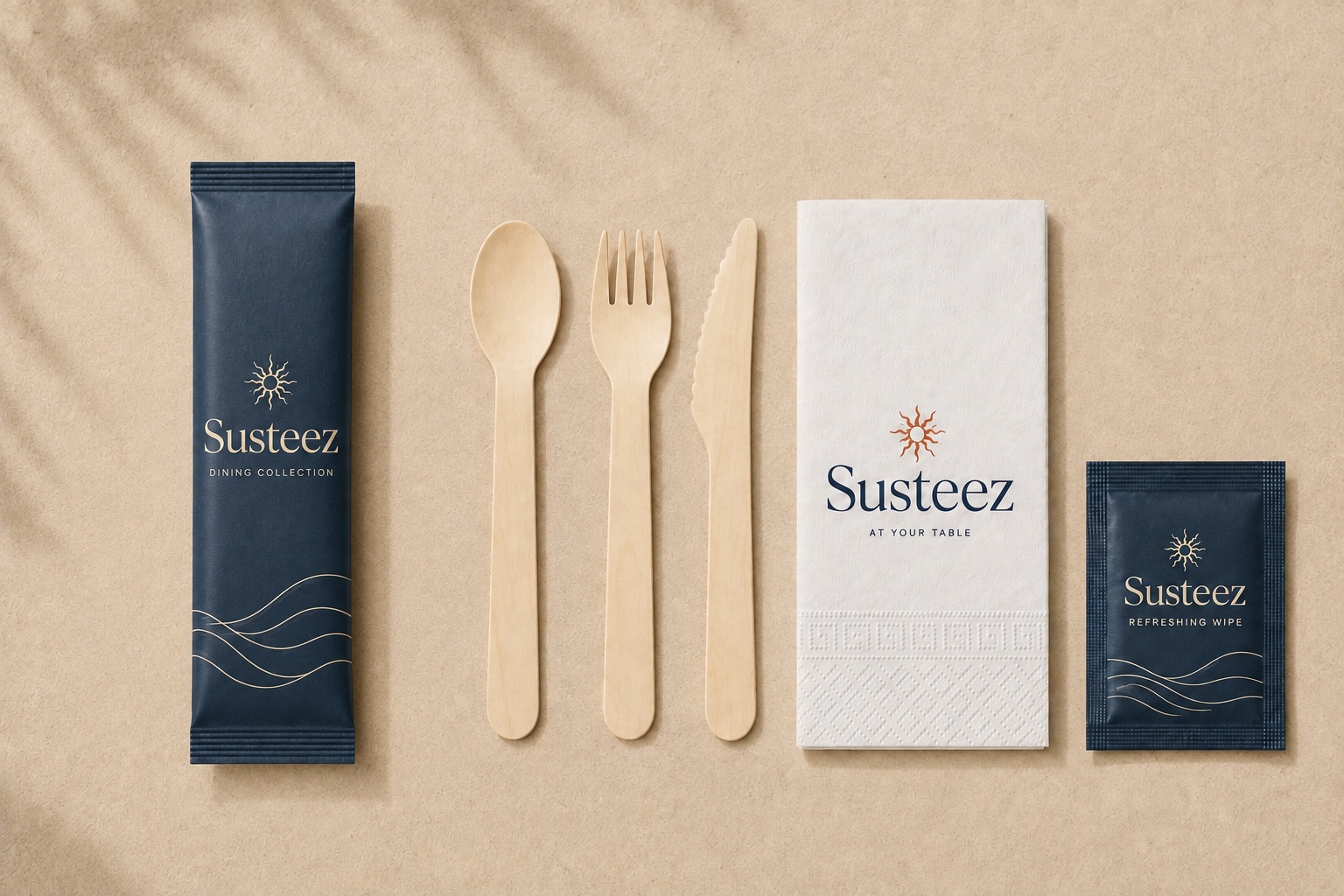
Materials made from natural polymers that have not been chemically modified are outside the definition. Untreated wood, bamboo and uncoated paper are therefore not caught — which is the real reason single-use tableware moved toward wood and bamboo.
Member states may go further
The directive is a floor. The Netherlands added in-venue bans, Spain introduced a tax, Italy wrote its own exemption. There is no single 'EU rule' to quote; each country of sale has to be read on its own.
Frequently asked
- Are paper straws in scope?
- Uncoated paper straws are outside it. A plastic coating changes the assessment.
- Does it apply in Turkey?
- Not directly, but a manufacturer exporting into the EU must meet the rules that bind the buyer.
Last updated: 2026-09-13