
Italy: the compostable exemption, and the objection to it
Italy transposed the single-use plastics directive with an exemption of its own. Under D.Lgs. 196/2021, certified compostable single-use items meeting UNI EN 13432 or 14995 and a minimum renewable raw material content fall outside the ban. The Commission objected, and the risk of infringement proceedings has not gone away.
What the exemption says
Why it is contested
The directive defines plastic by polymer behaviour and does not create an exemption for compostable plastics. By writing one, Italy set a national rule below the European floor. The Commission raised an objection and the possibility of infringement proceedings remains open.
What this means commercially
A product that is lawful in Italy today under this exemption is not automatically lawful in the rest of the EU, and the Italian position could change. Building a range around the exemption carries a regulatory risk that a wood or bamboo range does not.
Where wood and bamboo stand
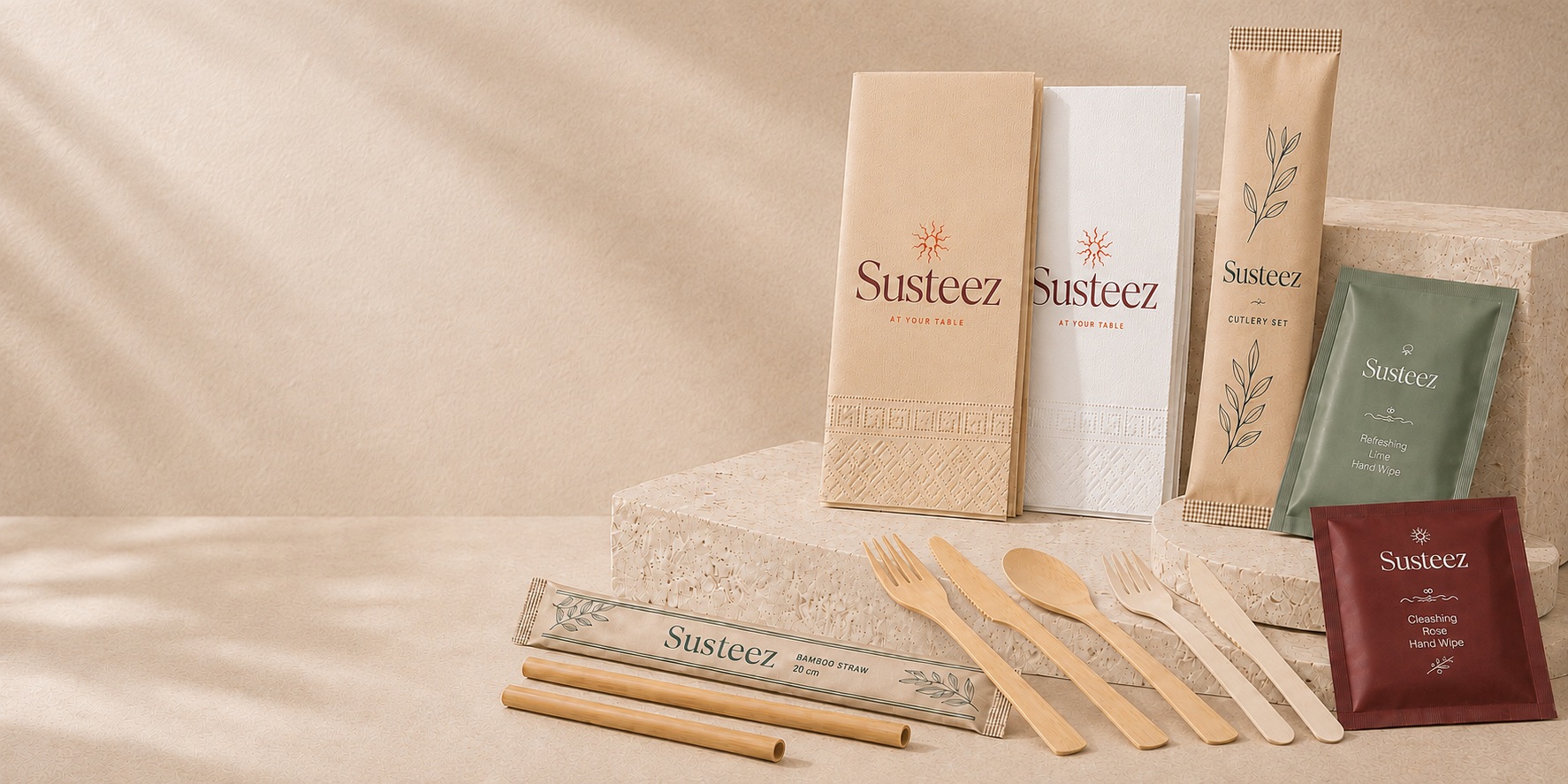
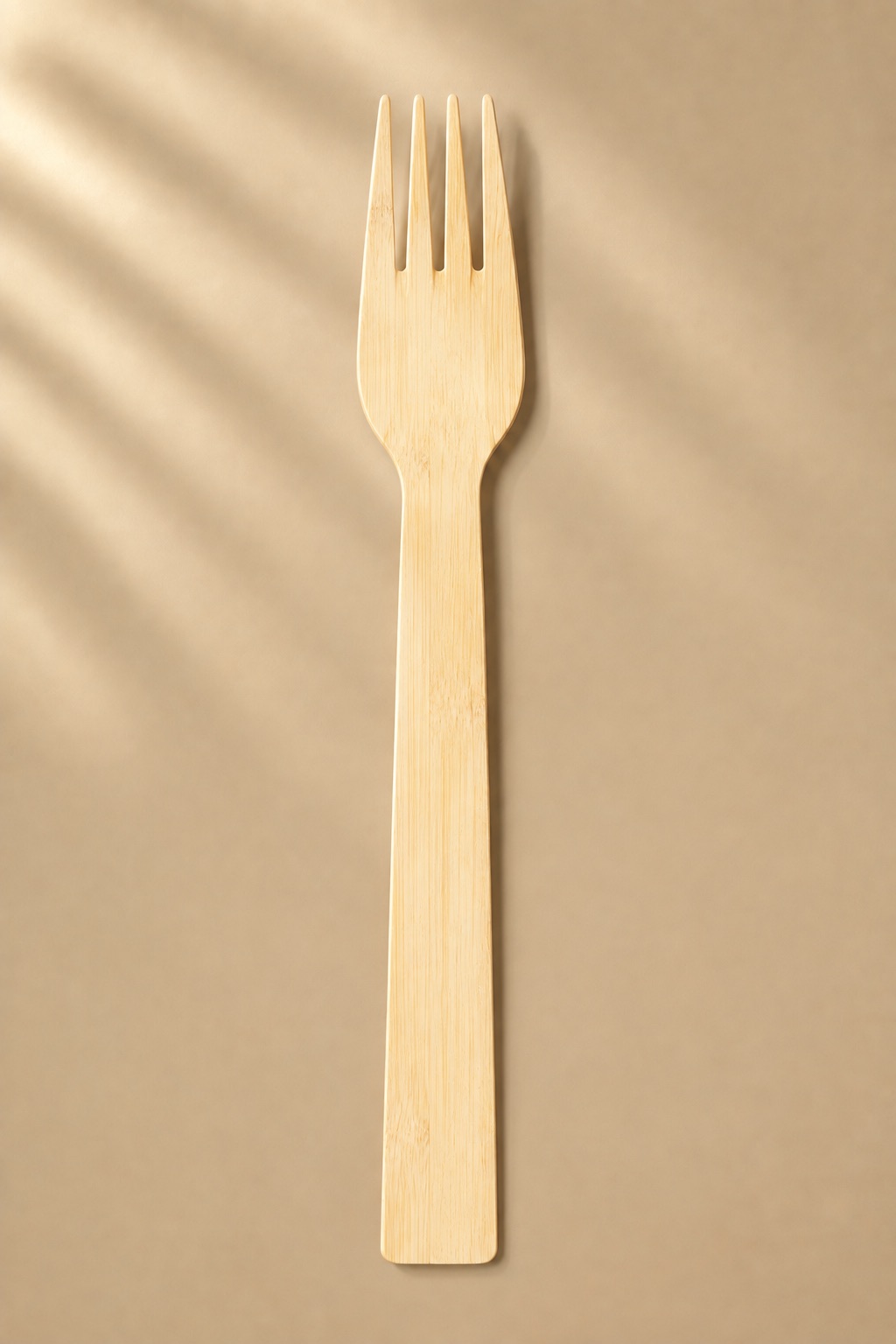
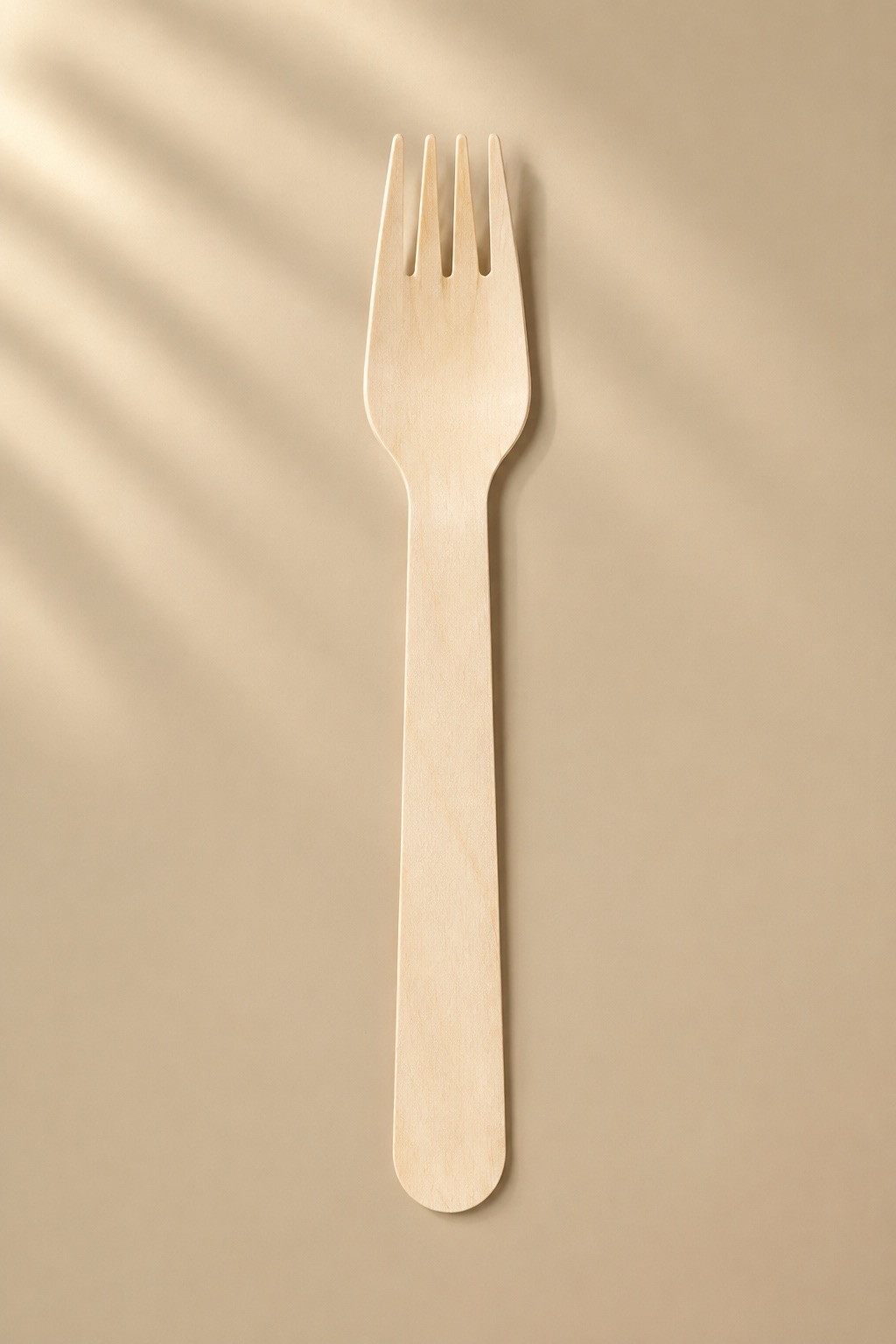
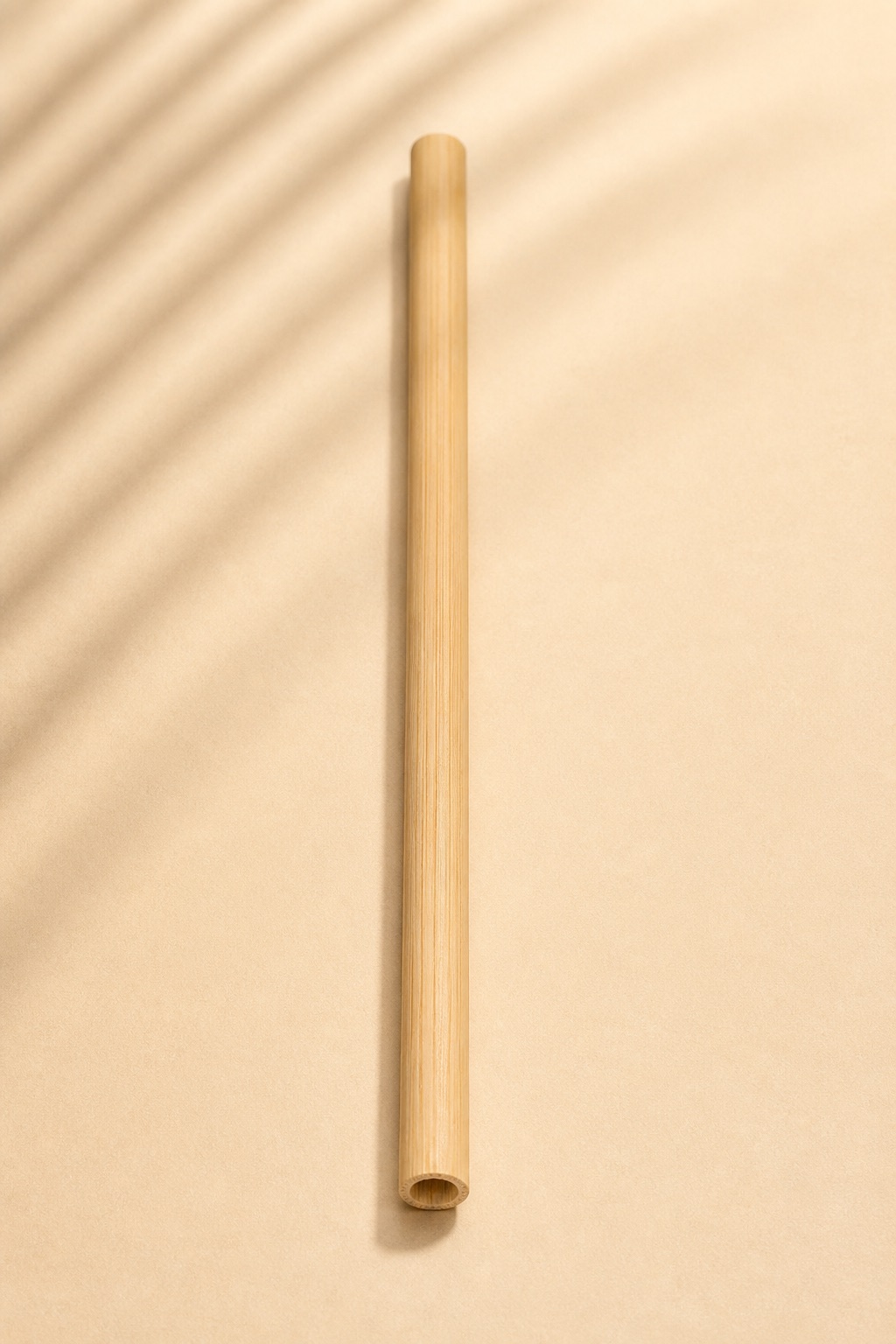
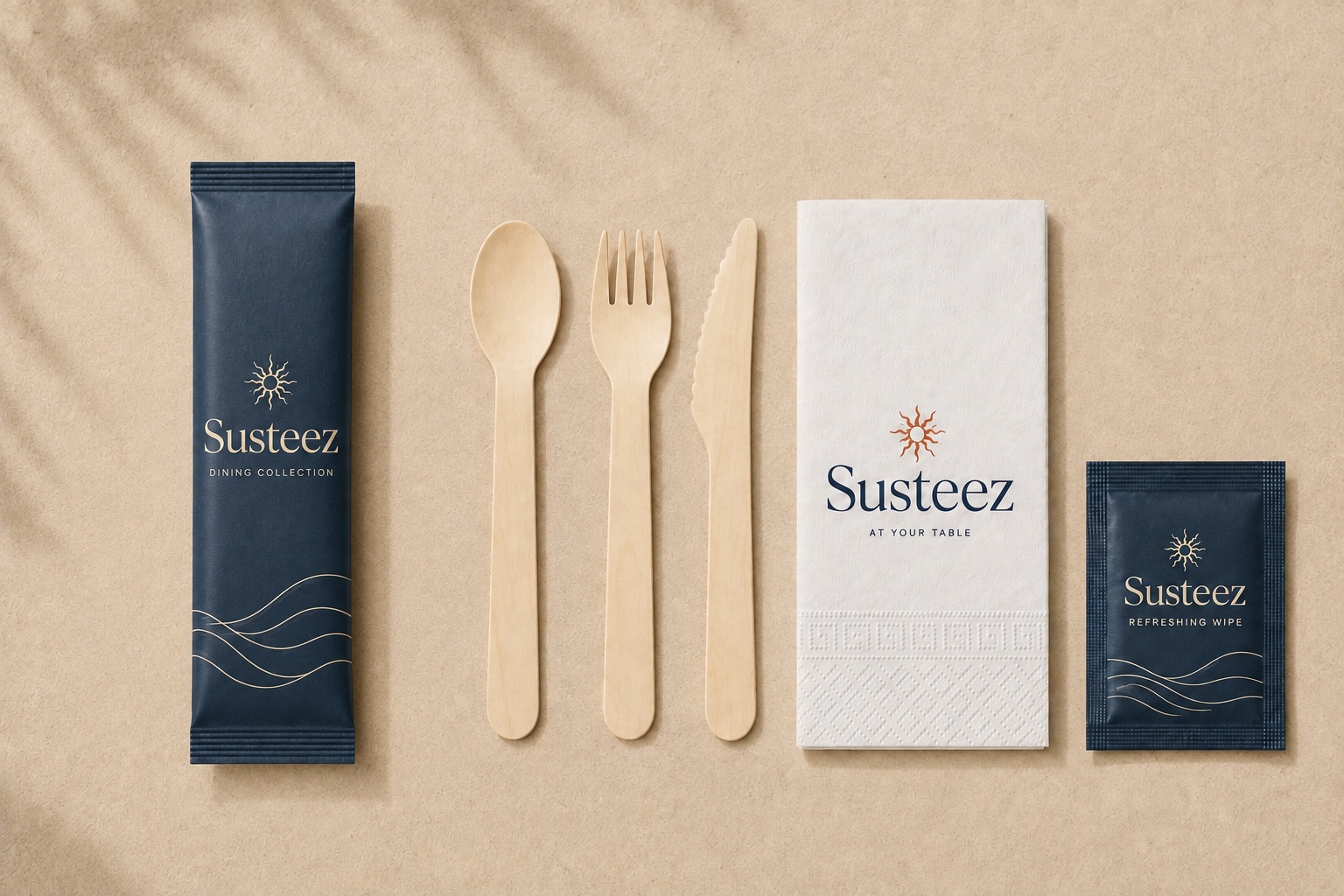
Untreated wood and bamboo are outside the directive's definition of plastic entirely, so they need no exemption in Italy or anywhere else. Their position does not depend on how this dispute is resolved.
Packaging is a separate duty
On the packaging side Italy works through CONAI, and the party importing packaged goods is treated as the producer, responsible for declaring the contributo ambientale. That obligation applies regardless of the exemption question.
Frequently asked
- Does the exemption apply outside Italy?
- No. It is national. A product relying on it can still fall inside the ban in another member state.
- What happens if the exemption is struck down?
- Products relying on it would need to be reassessed. Ranges based on wood, bamboo or uncoated paper are unaffected either way.
Last updated: 2026-09-13