




PPWR: what it introduces and what it will ask of suppliers
PPWR is the EU packaging and packaging waste regulation, replacing the earlier directive. Its most important feature is that it applies directly, without waiting for national transposition. Recyclable design, recycled content, limits on empty space and traceability all phase in over time.
The main headings
- Packaging designed to be recyclable
- Recycled content in defined packaging types
- Limits on empty space, to curb over-packaging
- Reuse targets
- Documented composition and traceability
What will be asked of suppliers
The regulation obliges buyers to know what their packaging is made of, and that requirement travels up the chain. Material, layer structure, gsm, net weight and recycled content are now expected on a technical data sheet. That nobody asks today does not mean nobody will ask tomorrow.
Why a regulation rather than a directive
A directive leaves member states room to transpose, and differences open up. A regulation applies directly. That moves the EU toward one rule set, though national taxes and registration duties continue to exist alongside it.
Why layer structure matters
Multi-layer packaging is the hardest group to recycle. For structures such as a moist towelette pack carrying paper and aluminium lamination, the layer composition has to be known in writing; without it neither recyclability can be assessed nor a tax exemption defended.
What to do
Ask suppliers, in writing, for material, layer structure and net weight per product. Collected once, that file feeds PPWR, national taxes and procurement questionnaires alike.
Frequently asked
- Does it reach small businesses?
- Most obligations fall on whoever places packaging on the market. As a buyer, being able to obtain documentation from your supplier is what supports your own compliance.
- Is a wooden fork packaging?
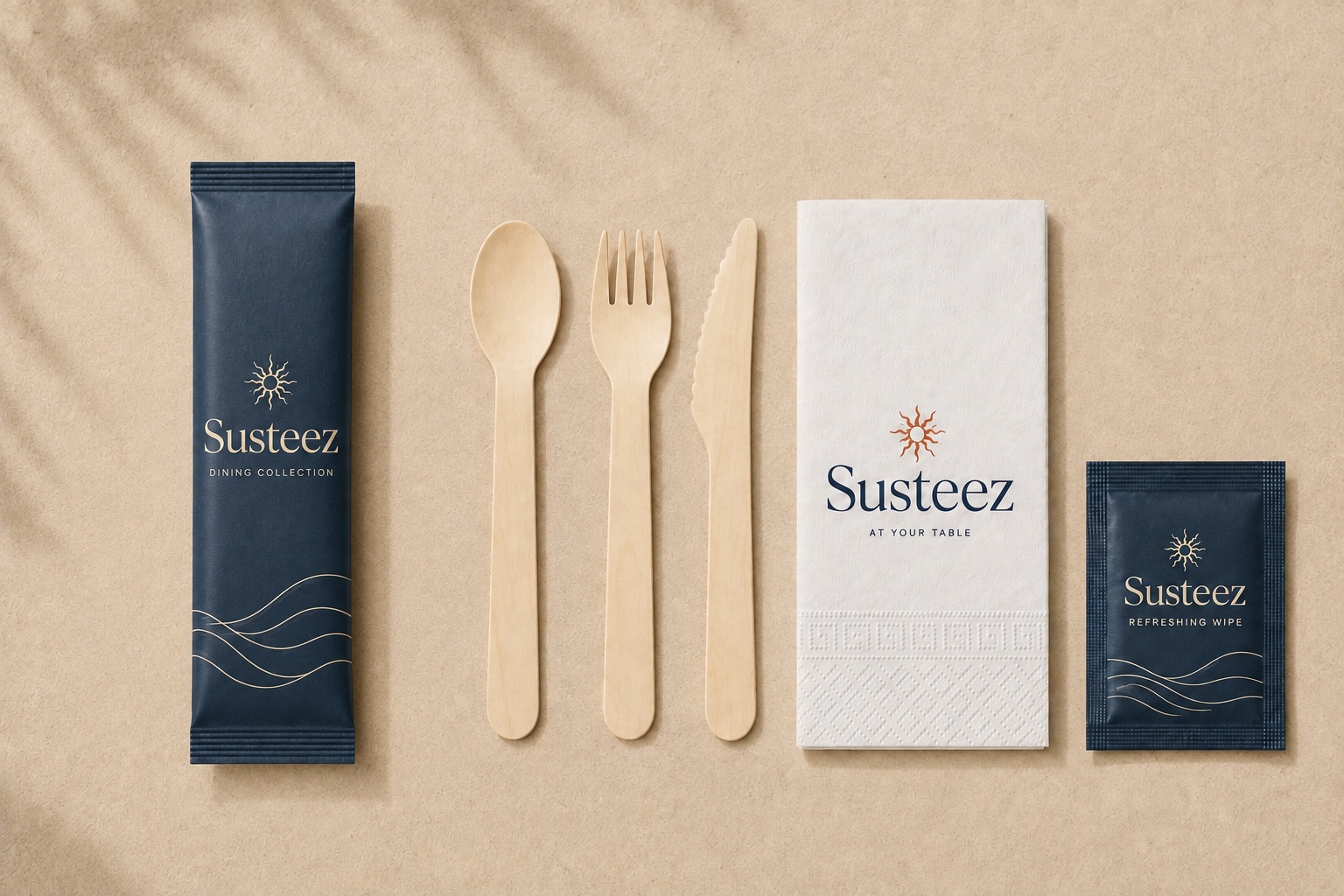
- The item itself is not; the sleeve around it and the carton are.
Last updated: 2026-09-13